Spring is an exciting time for kids longer days, warmer weather, and the return of outdoor sports like soccer, baseball, and track. But along with the fun comes an increase in injuries that can catch parents off guard.
If you’ve ever wondered, “Is this just soreness, or something more serious?” you’re not alone. Many parents struggle to tell the difference between normal post-game aches and injuries that need attention. Understanding what to watch for can make all the difference in keeping your child safe and active.
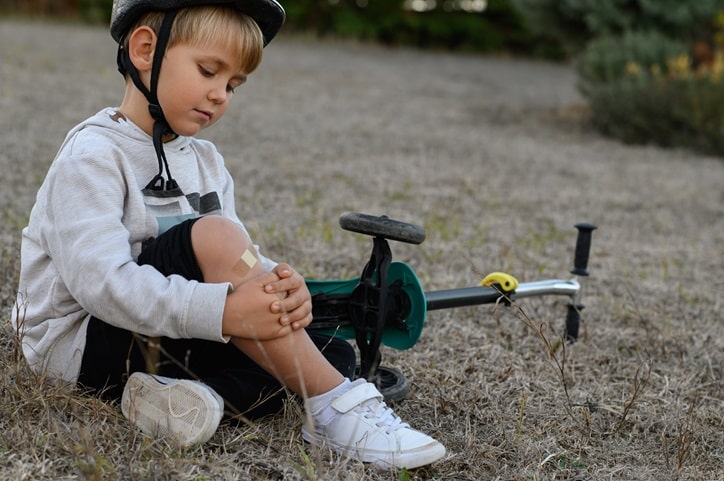
Why Spring Sports Bring a Spike in Injuries
After a relatively less active winter, children often jump straight into high-energy activities without proper conditioning. Their muscles, joints, and coordination may not be fully prepared for the sudden increase in movement.
This is especially true for younger kids who are still developing balance and body awareness. Concepts like coordination and movement similar to those discussed in Spatial Awareness in Children , play a major role in preventing falls and missteps during play.
Add in growth spurts, and you’ve got a perfect storm for injuries.
Common Spring Sports Injuries in Kids
Sprains and Strains
These are among the most frequent injuries seen during spring sports. Sprains affect ligaments, while strains impact muscles or tendons.
You might notice:
- Swelling or bruising
- Difficulty moving the affected area
- Complaints of pain during activity
Kids often try to “push through” discomfort, which can make it worse if left unaddressed early.
Growth Plate Injuries
Because children’s bones are still developing, the growth plates are more vulnerable than adult bones. Injuries here can sometimes be mistaken for minor aches.
Parents often confuse these with normal discomfort, as explained in Growing Pains: Why They Happen and How to Relieve Them, but persistent or localized pain , especially after activity shouldn’t be ignored.
Fractures
Falls, collisions, or awkward landings can lead to fractures. These may not always be obvious.
In fact, some fractures present as mild swelling and discomfort rather than severe pain. Understanding the different Types of Pediatric Fractures can help parents recognize when something isn’t quite right.
Overuse Injuries
Unlike sudden injuries, overuse injuries develop gradually. These are common in kids who play the same sport repeatedly without enough rest.
Examples include:
- Knee pain from running
- Shoulder strain from throwing
- Heel pain from repetitive impact
Parents on forums often ask, “My child isn’t injured, but they keep complaining about pain, what’s going on?” In many cases, it’s overuse rather than a single event.
Subtle Signs Parents Often Miss
Not all injuries are dramatic. Some of the most important warning signs are easy to overlook.
Watch for:
- Limping or favoring one side
- Reduced enthusiasm for a sport they usually love
- Trouble sleeping due to discomfort
- Ongoing fatigue, which may overlap with concerns discussed in Fatigue in Kids: A Comprehensive Guide for Parents
Children don’t always communicate pain clearly. Sometimes, behavior changes are your first clue.
The Role of Nutrition and Hydration
Strong muscles and bones don’t just come from practice, they come from proper nutrition.
A balanced diet supports recovery and reduces the risk of injury. For example, insights from How Early Childhood Nutrition Impacts Learning, Mood, and Behavior also apply here, as proper nutrients help maintain energy levels and muscle function.
Skipping meals especially breakfast, can lead to low energy and poor focus during games. This ties closely to the importance of fueling performance, as highlighted in The Role of Breakfast in Your Child’s Concentration and Energy.
Hydration is equally important. Dehydrated muscles fatigue faster, increasing the risk of strains and cramps.
When Is It Time to See a Pediatrician?
This is one of the most common questions parents ask.
As a general rule, seek medical advice if:
- Pain lasts more than a few days.
- There is visible swelling or deformity.
- Your child cannot bear weight or use the limb.
- The injury interferes with daily activities.
In the middle of a busy sports season, many families turn to trusted providers in Littleton Pediatrics to evaluate injuries early and prevent complications. Getting a professional opinion can provide clarity and peace of mind.
Prevention Tips That Actually Work
Warm-Ups Matter More Than You Think
Many kids skip warm-ups because they’re eager to start playing. However, even 5–10 minutes of stretching and light movement can significantly reduce injury risk.
Encourage Rest Days
It’s easy to assume more practice equals better performance, but rest is essential for recovery.
Children involved in multiple teams or leagues are especially at risk for overuse injuries. Make sure they have at least one rest day each week.
Proper Gear and Technique
Ill-fitting shoes, lack of protective gear, or poor technique can all contribute to injuries.
Coaches play a role here, but parents should also ensure their child is properly equipped and trained.
Pay Attention to Sleep
Recovery doesn’t just happen off the field, it happens during sleep. If your child isn’t getting enough rest, their body doesn’t have time to repair itself.
Healthy sleep routines, like those outlined in Establishing Healthy Sleep Habits for Children: Expert Advice, can improve both performance and injury recovery.
Addressing Common Parent Concerns
Many parents worry about being either too cautious or not cautious enough.
“Am I overreacting?”
If something feels off, it’s always better to check. Early intervention can prevent more serious issues.
“Should my child stop playing altogether?”
Not necessarily. Most minor injuries just require rest and a gradual return to activity.
“Is pain normal in sports?”
Some soreness is expected, especially after new activities. But sharp, persistent, or worsening pain is not something to ignore.
Helping Kids Stay Active and Safe
Sports offer incredible benefits, physical health, teamwork, discipline, and confidence. The goal isn’t to avoid sports but to make participation safer and more sustainable.
Encourage open communication with your child. Let them know it’s okay to speak up about discomfort without fear of disappointing anyone.
Building resilience, as explored in 10 Expert-Backed Strategies to Foster Resilience in Children, also means teaching kids to listen to their bodies and respect their limits.
Conclusion: Staying Ahead of Injuries This Spring
Spring sports should be a time of growth, fun, and connection, not sidelined by preventable injuries. By understanding common risks, recognizing early warning signs, and providing proper care, you can help your child enjoy the season safely.
Parenting through sports injuries can feel uncertain at times, but you don’t have to navigate it alone. With the right guidance and awareness, and support from experienced providers like Focus On Kids Pediatrics, you can make confident decisions that keep your child active, healthy, and thriving.