You’re right if it feels like more children are wearing glasses today than ever. Across the U.S., pediatric eye doctors are seeing a significant rise in nearsightedness (myopia) among kids, and it’s happening earlier than in previous generations.
At Focus on Kids Pediatrics, we’ve seen this trend firsthand in our patients. Many factors contribute, from screen time and indoor lifestyles to genetics and early development. The good news? With awareness and simple preventive steps, you can protect your child’s vision and help keep their eyes healthy for life.
Here’s what’s behind the increase—and what you, as a parent, can do about it.
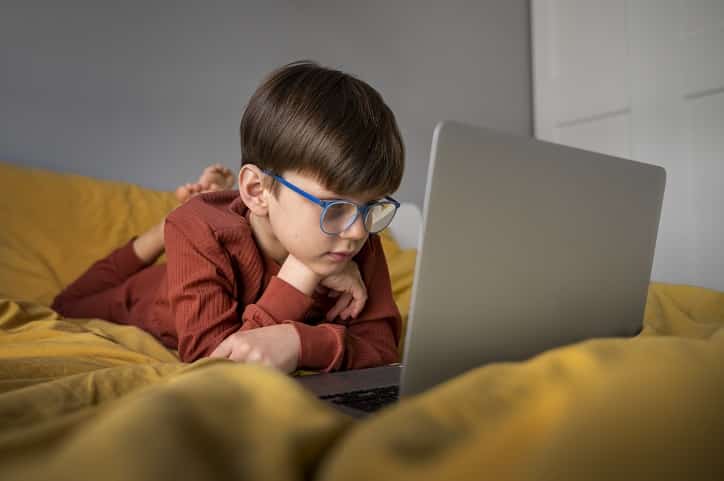
The Growing Trend: Why More Kids Need Glasses
Over the last few decades, myopia rates have soared worldwide. According to the American Academy of Ophthalmology, nearly 1 in 3 children in the U.S. now have some form of nearsightedness—and that number is expected to rise.
Why is this happening? Several modern lifestyle changes play a significant role:
- Increased screen time: Kids spend more hours looking at phones, tablets, and computers, often at close range for extended periods.
- Less outdoor time: Natural light exposure helps regulate eye growth, but many children spend most of their days indoors.
- Early academic demands: More close-up reading and screen-based learning can contribute to eye strain at a young age.
- Genetic factors: If one or both parents wear glasses, the likelihood that their child will need them increases significantly.
If you’ve noticed your child squinting at the TV, holding books too close, or complaining of headaches, it might be time for an eye check.
You may also find our post on Signs of Vision Problems in Kids helpful—it covers common symptoms parents often miss.
How Screen Time Impacts Vision
Excessive screen time contributes to what’s known as digital eye strain—a combination of blurred vision, dry eyes, headaches, and fatigue. Over time, constant close-up focus can cause the eyeball to elongate, leading to myopia.
To protect your child’s eyes:
- Encourage the 20-20-20 rule: Every 20 minutes, look at something 20 feet away for 20 seconds.
- Maintain proper screen distance—at least arm’s length away.
- Limit recreational screen time to under 2 hours per day, per American Academy of Pediatrics (AAP) recommendations.
- Ensure proper lighting in the room to reduce glare.
Even minor adjustments to screen habits can make a noticeable difference in preventing eye fatigue.
The Power of Outdoor Play
Spending time outdoors isn’t just good for physical health—it’s essential for eye development. Research shows that kids who spend at least 90 minutes a day outside have a lower risk of developing nearsightedness.
Natural light helps regulate how the eyes grow and focus. Plus, outdoor play naturally reduces the amount of close-up work kids do, giving their eyes a much-needed break.
Encouraging daily outdoor play is a great way to get your child moving and engaged while supporting their overall health and development.
When to Schedule an Eye Exam
Regular eye exams are vital even if your child hasn’t complained about their vision. Many children don’t realize they can’t see clearly because blurry vision feels “normal” to them.
Pediatricians recommend:
- First vision screening at 6 months
- Follow-up at age 3
- Annual exams starting at school age
These screenings can catch not only myopia but also astigmatism, lazy eye, and other conditions that can affect long-term vision if untreated.
If you’re unsure when your child’s last eye check was, we can help coordinate the next one during their well-child exam.
Helping Kids Feel Confident About Glasses
If your child does need glasses, the transition can be emotional. Some kids worry about standing out or feeling different. You can help by:
- Letting them choose their own frames
- Showing positive role models who wear glasses
- Praising how grown-up or stylish they look
- Reminding them how much better they’ll see and feel
Confidence goes hand in hand with comfort—and when glasses fit well and improve vision, kids are more likely to wear them consistently.
Final Thoughts
More kids than ever are being diagnosed with nearsightedness, but the outlook is positive: with early detection and the proper habits, you can safeguard your child’s vision for years to come.
At Focus on Kids Pediatrics, we help families navigate every stage of child development—including vision health. Our friendly pediatricians in Littleton offer eye screenings at checkups and personalized lifestyle support to help your child’s eyes, body, and mind develop in a healthy way.
If you’ve noticed your child squinting, complaining of headaches, or struggling to see the board at school, schedule an appointment with us today. Together, we’ll make sure your child sees their world clearly.