Children learn far more outside than many people realize. Climbing, running, digging, balancing, and exploring all help build skills that support healthy brain development. While classrooms and structured activities play an important role, unstructured outdoor play gives children opportunities to solve problems, make decisions, and develop confidence through hands-on experiences.
Many parents wonder how much outdoor time their children really need or whether organized sports provide the same benefits. The answer is that everyday outdoor play offers unique advantages by encouraging creativity, movement, social interaction, and independent thinking. Even simple activities at a neighborhood park can support healthy development in meaningful ways.
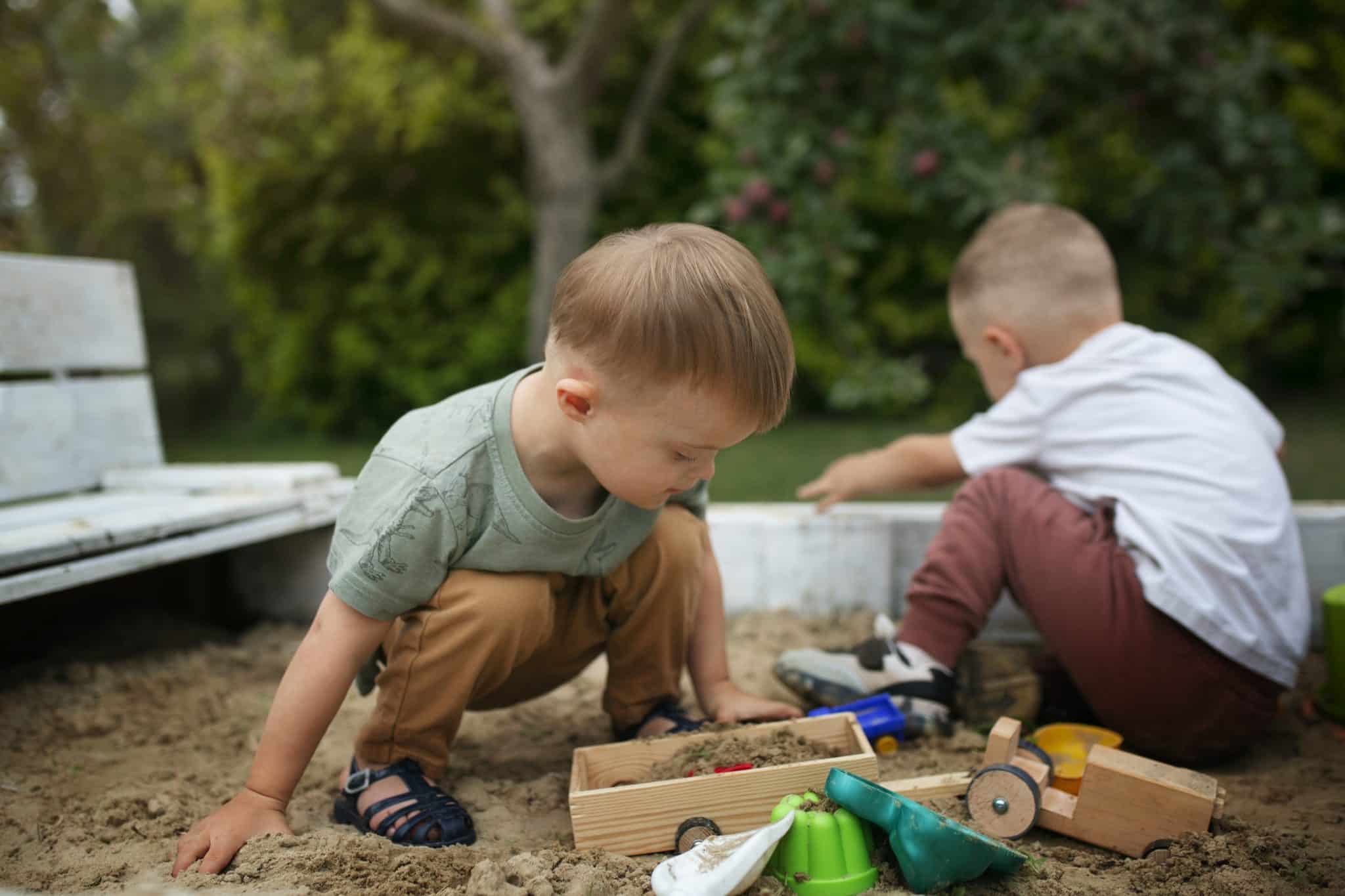
How Outdoor Play Supports Brain Development
A child’s brain develops rapidly during infancy, childhood, and adolescence. Every new experience strengthens neural connections that influence learning, memory, emotional regulation, and physical coordination.
Outdoor play naturally combines several forms of learning at once. Children use their senses, muscles, language, and imagination together to create rich learning experiences that are difficult to replicate indoors.
Some of the biggest cognitive benefits include:
- Improved attention and concentration
- Better memory through hands-on learning
- Stronger problem-solving abilities
- Enhanced creativity and imagination
- Greater emotional resilience
- Better executive functioning, including planning and self-control
These skills support success both in school and everyday life.
Physical Activity Fuels a Healthy Brain
Movement does more than strengthen muscles and bones. Active play increases blood flow to the brain, delivering oxygen and nutrients that support healthy brain function.
Activities like running, jumping, climbing, and balancing also strengthen communication between different areas of the brain. This helps children develop coordination while improving learning, attention, and reaction time.
Parents sometimes worry that children must participate in expensive sports programs to receive these benefits. In reality, free play at a playground, nature trail, or backyard often provides just as many developmental advantages.
Nature Encourages Curiosity and Independent Thinking
Unlike structured environments, nature rarely gives children one correct answer. A fallen log can become a bridge, a spaceship, or a balance beam. Rocks may become building materials, while sticks become tools for creative games.
This open-ended exploration encourages children to:
- Ask questions
- Test ideas
- Solve unexpected problems
- Adapt to changing situations.
- Think creatively
These experiences strengthen flexible thinking, an important skill for academic success and everyday decision-making.
Social Skills Grow Naturally Outside
Outdoor play often involves cooperation, negotiation, and communication. Children create games, settle disagreements, and work together toward shared goals.
Parents frequently ask whether independent outdoor play still matters in a world filled with organized activities. The answer is yes. Free play allows children to practice leadership, empathy, compromise, and conflict resolution without constant adult direction.
These social experiences also help reduce anxiety by building confidence in everyday interactions.
What Parents Should Know When Visiting a Pediatric Office in Littleton
Parents often discuss developmental milestones during routine visits at a pediatric office in Littleton. Questions about attention span, motor skills, emotional regulation, and learning are common, and outdoor activity often becomes part of those conversations.
Healthcare providers frequently encourage age-appropriate physical activity because it supports multiple aspects of development at the same time. Outdoor play complements healthy nutrition, quality sleep, and regular wellness visits by helping children build the cognitive and physical skills needed for long-term growth.
Common Misconceptions About Outdoor Play
Many well-meaning parents unintentionally limit outdoor play because of common misconceptions.
“Educational apps provide the same benefits.”
Digital learning tools can be helpful in moderation, but they cannot fully replace sensory experiences, physical movement, or real-world social interaction. The developing brain benefits from touching, exploring, balancing, and experimenting in ways that screens cannot replicate.
Parents looking for practical ways to reduce screen dependence may also enjoy reading Strategies for Limiting Screen Time for Children, which offers realistic approaches for creating healthier daily routines.
“Children need hours outside every day.”
While longer outdoor sessions are wonderful, consistency matters more than perfection. Even 20 to 30 minutes of active outdoor play each day can provide meaningful developmental benefits when it becomes part of a regular routine.
“Outdoor play is too risky.”
Reasonable challenges actually help children develop judgment and confidence. Age-appropriate supervision and safe environments allow children to learn healthy risk assessment without unnecessary danger.
For families preparing outdoor adventures, the guidance in Ensuring Outdoor Safety for Kids: Essential Tips offers practical strategies for creating safer play experiences.
Practical Ways to Encourage More Outdoor Play
Parents often struggle with busy schedules, changing weather, and children’s growing interest in electronics. Small changes can make outdoor activity a regular habit.
Consider these simple ideas:
- Walk to nearby parks instead of driving when possible.
- Schedule outdoor time before screen time.
- Let children help plan weekend nature activities.
- Encourage imaginative games instead of structured entertainment.
- Explore local trails, playgrounds, and community events.
- Allow time for free play instead of constantly directing activities.
Families looking for new local ideas may enjoy exploring Exciting and Educational Activities for Kids in Littleton, CO for inspiration.
Building Healthy Habits That Last
Outdoor play works best when combined with other healthy lifestyle habits. Brain development depends on many factors working together throughout childhood.
Adequate rest remains essential because the brain processes learning during sleep. Parents can support this by reviewing the practical guidance in Establishing Healthy Sleep Habits for Children: Expert Advice.
Nutrition also fuels healthy brain function. Learning more through How Early Childhood Nutrition Impacts Learning, Mood and Behavior can help parents understand how daily food choices influence concentration and emotional well-being.
Finally, enriching activities beyond outdoor play continue to strengthen cognitive growth. Families interested in expanding learning opportunities may appreciate the ideas shared in Promoting Cognitive Development: Activities and Tips for Parents, which complements active outdoor exploration with engaging developmental exercises.
Conclusion
Outdoor play is far more than recreation. It strengthens brain development, supports emotional well-being, improves physical health, encourages creativity, and helps children build lifelong social and problem-solving skills. Small, consistent opportunities to explore nature and move freely often have a lasting impact on a child’s overall development.
Parents do not need elaborate equipment or packed schedules to make a difference. A nearby park, backyard, or walking trail can become a valuable learning environment when children are given time to explore, imagine, and move. By making outdoor play a regular part of family life and partnering with trusted providers like Focus On Kids Pediatrics, families can help children develop the confidence, resilience, and healthy habits that support success for years to come.