Plant-Based Diets for Kids: Benefits, Risks & What Parents Should Know

Plant-based diets are becoming more popular with families looking to improve health, support sustainability, or manage food sensitivities. But when it comes to kids—especially growing infants, toddlers and teens parents often wonder: Is a plant-based diet safe? And how do I make sure my child is getting everything they need?

At Focus on Kids Pediatrics, we frequently talk with families who are curious about plant-based eating or already following vegetarian or vegan lifestyles. With proper planning and pediatric guidance, plant-based diets can support healthy growth—but there are also important nutritional considerations every parent should understand.

Plant-Based Diets for Kids

What Is a Plant-Based Diet for Kids?

A plant-based diet focuses primarily on foods from plants, including fruits, vegetables, whole grains, legumes, nuts, and seeds. Some families include limited animal products (vegetarian), while others avoid them entirely (vegan).

For kids, the key isn’t the label—it’s whether the diet provides enough calories, protein, vitamins, and minerals to support growth, brain development, and immunity. This is especially important during early childhood, when nutrition plays a major role in long-term development, as we discuss in our guide on promoting cognitive development through healthy daily habits.

Potential Benefits of Plant-Based Diets for Kids

When well-planned, plant-based diets can offer several health benefits for kids.

Improved heart health
Plant-based diets tend to be lower in saturated fat and higher in fiber, which can support healthy cholesterol levels and blood pressure over time.

Better digestion
Fiber-rich foods help promote gut health and regular bowel movements, which may reduce issues like constipation—a concern we commonly address in pediatric visits.

Lower risk of obesity
Kids who eat more whole plant foods may have a lower risk of excess weight gain, supporting long-term metabolic health and helping prevent conditions like childhood obesity.

Early exposure to healthy eating habits
Introducing kids to a variety of fruits, vegetables, and whole foods early on helps shape lifelong healthy eating behaviors, something we emphasize in our article on balanced diets for growing kids.

Nutrients Parents Need to Watch Closely

While plant-based diets can be healthy, some nutrients require extra attention—especially for growing kids.

Protein
Kids can get enough protein from beans, lentils, tofu, nut butters, and whole grains, but meals need to be thoughtfully planned.

Iron
Plant-based iron isn’t absorbed as easily as iron from meat. Pairing iron-rich foods with vitamin C helps improve absorption. Low iron levels can lead to fatigue and developmental concerns, which we explain further in common signs and symptoms of anemia in kids.

Vitamin B12
This vitamin is found almost exclusively in animal products. Vegan kids typically need fortified foods or supplements to avoid deficiency.

Calcium and Vitamin D
These nutrients are essential for bone health. If dairy is avoided, parents should ensure adequate intake from fortified plant milks or supplements, especially during growth spurts.

Omega-3 fatty acids
Important for brain development, omega-3s can be found in flaxseeds, chia seeds, and walnuts, though some kids may benefit from supplementation.


Risks of Poorly Planned Plant-Based Diets

The biggest concern with plant-based diets isn’t the diet itself—it’s poor planning. Without proper balance, kids may experience:

  • Slower growth
  • Fatigue or low energy
  • Weakened immunity
  • Delayed developmental milestones

These risks highlight why routine well-child visits and nutritional screenings are so important. Regular checkups allow pediatricians to track growth patterns and catch deficiencies early, as we outline in the importance of regular pediatric doctor visits.

Tips for Raising Healthy Plant-Based Kids

If your family follows a plant-based diet—or is considering one—these tips can help ensure your child thrives:

  • Offer a wide variety of foods to cover nutrient needs
  • Include iron- and protein-rich foods at every meal
  • Use fortified foods when needed
  • Don’t hesitate to discuss supplements with your pediatrician
  • Monitor growth and energy levels closely

For picky eaters, creative meal strategies can make plant-based foods more appealing. Our guide on making mealtime enjoyable for picky eaters offers helpful ideas for families navigating food challenges.

When to Talk to Your Pediatrician

You should check in with your pediatrician if:

  • Your child seems unusually tired or pale
  • Growth appears slower than expected
  • Your child follows a strict vegan diet
  • You’re unsure whether supplements are needed

Your pediatrician can recommend blood tests, dietary adjustments, or referrals to a pediatric nutrition specialist if needed.

Final Thoughts

Plant-based diets can absolutely support healthy growth in kids—but they work best when they’re balanced, intentional, and regularly monitored. Every child’s nutritional needs are unique, and there’s no one-size-fits-all approach to eating.

At Focus on Kids Pediatrics, we partner with families to support healthy development in all its forms—nutrition included. If you have questions about plant-based diets, supplements, or your child’s growth, our pediatricians team in Littleton is always here to help guide you with evidence-based, compassionate care.

Food Poisoning in Kids

Upset tummies and messy diapers are part and parcel of raising a young child. Children younger than five are at higher risk of developing the symptoms of food poisoning, as their digestive and immune systems aren’t as developed as older kids and adults.  

In this post, we will look closer at what causes food poisoning in kids and how you can help your little ones feel better as soon as possible. 

What causes food poisoning in kids? 

Food poisoning happens when kids eat or drink foods that are contaminated with bacteria, toxins, viruses, or parasites. Generally, food and water sources in the USA are safe, but food can get contaminated when not stored correctly, is past its best-use date, is undercooked, or is prepared on dirty surfaces or with unclean hands.  

The most common culprits of food poisoning include:  

  • Norovirus
  • E. coli
  • Listeria
  • Salmonella
  • Staphylococcus aureus

Food poisoning symptoms 

It can take anything from a few hours to a few days for food poisoning symptoms to appear. Different germs, bacteria, and toxins can cause various symptoms, but food poisoning in kids generally causes diarrhea and vomiting. Food poisoning symptoms include:  

  • Diarrhea
  • Nausea
  • Vomiting
  • Upset stomach
  • Cramps in the stomach and lower abdomen
  • Low-grade fever
  • Headache 
  • Fatigue

Food Poisoning Treatment in Littleton

How can I prevent food poisoning? 

It is difficult to eliminate the risks of food poisoning, but there are things you can do to reduce the risks. Good personal hygiene and food hygiene around the home can ensure that certain bacteria and bugs stay away from foods. Here are a few tips: 

  • Avoid certain foods and follow preparation guidelines to minimize the risks. 
  • Make sure you wash fruits and vegetables before eating them.
  • Use pasteurized milk and dairy products.
  • Ensure that all meats, fish, and egg products are thoroughly cooked before serving.
  • Serve pasteurized fruit juices.

How is food poisoning in kids treated?

Symptoms of food poisoning in kids can last anywhere from one day to ten days and can usually be treated at home. The treatment will depend on the symptoms’ severity and the cause. 

It is essential to keep your child hydrated and ensure that they get lots of rest. For younger babies and infants, give them small amounts of breastmilk or formula. For older babies and young children, lots of water and electrolyte solutions can help them avoid dehydration.  

You’ll want to avoid giving your child solid meals or dairy products until their symptoms have calmed down. Fizzy drinks and caffeinated products can make their symptoms worse.  

Symptoms of food poisoning will usually improve after a day or so, but if the symptoms are severe or your child is struggling to hold down fluids, seek medical attention, as they may need an IV drip to prevent dehydration. Your doctor may also prescribe antibiotics if the food poisoning is caused by bacteria such as listeria.  

When your child feels up for eating again, keep the meals simple and bland so it is easier to digest. Dry toast and rice are good places to start. 

Need some advice about your child’s digestive health? 

If you think your child has food poisoning or you have concerns over their digestive health, call us today to book an appointment with one of our friendly board-certified pediatricians in Littleton

Good and Bad Sugars for Kids

Candy and chocolate bars are often rewarded for good behavior or as a special treat on a shopping trip. It tastes good and usually puts a smile on the faces of kids and adults alike! However, a diet heavy in sugar can cause health problems.  

In this post, we will explore how sugar impacts children’s health and how to recognize good and bad sugars for kids.  

How much sugar is enough? 

The American Heart Association (AHA) recommends that kids between the ages of two and eighteen should have a maximum of twenty-five grams of sugar daily. That equals about six teaspoons!  

Can you avoid sugar in your diet? 

This is difficult, as many foods naturally contain sugars, whereas many everyday foods include added sugars.

Good & Bad Sugars For Kids 

What are the different types of sugars?  

Sugar is present in lots of different foods. However, some sugars occur naturally, while others are added during food processing and production. The three main types include:  

  • Natural sugars found in foods such as fruit (fructose) and milk (lactose)
  • Free sugars – naturally occur in honey, syrups, and fruit juices
  • Added sugars – added during the food processing to change the taste

Natural sugars are a great energy source and are often found alongside other essential vitamins. However, added sugar has little or no nutritional value and can cause health problems. 

What are some examples of added sugar to keep an eye out for? 

Popular foods such as candy, chocolate bars, flavored yogurts, ice cream, baked goods, and breakfast cereals include lots of added sugar. Drinks like sodas, flavored milk, and fruit juices often include added sugar. 

It can sometimes be hard to determine the sugar content based on labels alone. Check for ingredients with “ose” at the end, such as fructose, maltose, glucose, and sucrose, as this usually means additional sugar has been added to the food. Other things to look out for include: 

  • Corn syrup
  • Fruit juice concentrates
  • Molasses

How do you limit your kids’ sugar intake?  

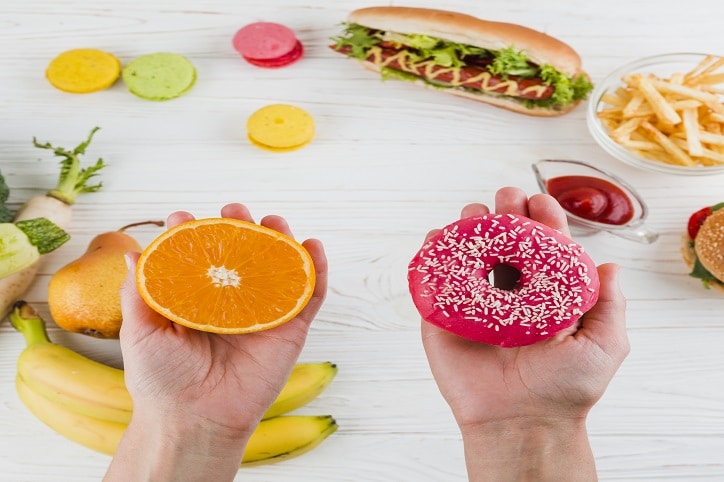
It starts with the foods you buy and make available in your house. You can encourage your kids to eat a range of fruits and vegetables from a young age instead of candy and sweetened cereals. For example, an orange has natural sugars and great minerals for supporting your child’s overall health. Unflavored milk is an excellent source of natural sugars and calcium.  

Educate your children from an early age on the different types of foods and their benefits. If there are no candy bars and cookies in the house, they will be more inclined to eat healthier alternatives, especially if you are a good role model.  

As mentioned above, check the labels before buying foods to see how much sugar is present and whether extra added sugars exist. Many products may claim to be low in sugar but include various ingredients that increase the sugar content.  

Here are some ways to avoid added sugars: 

  • Drink water
  • Limit or avoid soda, sweetened fruit, and sports drinks
  • Drink natural, low-fat milk without flavorings
  • Avoid sugary breakfast cereals 
  • Choose canned fruit in water instead of syrup, or opt for fresh fruit
  • Choose natural yogurt instead of flavored versions

Want to know more about good and bad sugars for kids? 

If you want to discuss your child’s nutrition requirements, book an appointment with one of our friendly board-certified pediatricians.  

High Protein Diet for Teens

The actions you take today can help your teen build a healthy relationship with food that will last them a lifetime. Growing teens have a higher need for calories, protein, and other nutrients.

Healthy eating includes getting the right balance of nutrients. And in recent years, there has been much talk about fad diets such as keto, plant-based, or high-protein diets. Keep reading for everything you need to know about high-protein diets for teens and the best foods they should be eating to ensure proper protein intake.

High-Protein Diet for Teens

Your child’s needs for energy and nutrition increase dramatically as they enter their teen years. Developing minds and bodies require a healthy balanced diet to ensure that they are getting the essential nutrients, vitamins, and minerals they need for proper growth and development. Unfortunately, the teenage years are also a time when many kids begin to increase their intake of fast food and junk food that contains little nutritional value.

Protein is necessary to help build muscles and organs. The benefits of a high-protein diet for teens include help with weight loss and maintenance, more energy, improved bone health and muscle strength, and a reduction in appetite and hunger levels.

Protein rich Diet for Teens

Are High-Protein Diets Safe for Teens?

Protein is a vital part of any child’s diet. As a general rule, kids should be getting half a gram of protein for every pound of body weight daily. This means that teens should be getting at least 5 to 6 ounces of protein every day in order to keep up with their bodies’ growing demands.

However, excessively high protein intake is not beneficial for children and teens. High-protein diets can increase the strain on the kidneys and liver and can even cause dehydration. Most teens in America get an adequate amount of protein through their diet, but if you feel that your teenager should be getting more protein, take a look at the list below of the best high-protein foods for teens.

Best High-Protein Foods for Teens

The best sources of healthy proteins include lean meats, fish, eggs, beans, and nuts. Keep reading for some of the best ways to add more protein to your child’s daily diet:

  • Eggs – Eggs are one of the best ways for vegetarians to get protein in their diet. A single egg contains as much as 6 to 7 grams of protein and is a very healthy option for teens.
  • Beans – One cup of beans contains about 16 grams of protein, making it a staple in many diets.
  • Tofu – Tofu is made from soy and is an excellent source of protein, especially for those who follow a vegan or vegetarian diet.
  • Nuts – Peanut butter is one of the easiest ways to get a high amount of protein and can also help prevent diabetes.
  • Seeds – The best seeds for protein intake are pumpkin seeds, hemp seeds, sunflower seeds, flax seeds, sesame seeds, and chia seeds. They are another excellent source of protein for vegetarians/vegans.
  • Poultry – Chicken is a popular meal among kids of all ages and contains about 27 grams of protein per serving.
  • Fish – Consuming healthy fish, such as tuna or salmon, provides anywhere from 15 to 30 ounces of protein in one serving and is also very beneficial for weight loss.
  • Beef – 3 ounces of lean beef provides up to 21 ounces of protein and contributes to heart health.
  • Dairy – Yogurt is an especially good source of protein, especially Greek Yogurt varieties. An ounce of cheese contains 7 grams of protein, making it a delicious and easy way to get more protein in your child’s diet. In addition, a glass of milk contains around 9 grams of protein.

If you have any questions or concerns about your child’s diet, give us a call today to schedule an appointment with one of our friendly board-certified pediatricians.

Lactose Intolerance in Babies

Lactose intolerance refers to the reduced ability to digest lactose, a type of sugar found in milk and other dairy products. It is not the same as a milk allergy, but babies and children with lactose intolerance are still affected by a variety of symptoms after drinking milk or eating other foods containing lactose. Keep reading for everything you need to know about identifying and managing lactose intolerance in babies.

Causes of Lactose Intolerance in Babies

An individual who has lactose intolerance does not make enough lactase in their small intestine. Without enough lactase, the body cannot properly digest milk and other dairy products that contain lactose.

People can develop lactose intolerance at any age, although it typically occurs after age 5. There is a genetic component to lactose intolerance, and people of Asian, African, Native American, and Hispanic descent are more likely to develop lactose intolerance.

Congenital lactase deficiency (alactasia) is extremely rare but occurs when babies are born with no lactase enzymes at all. They will exhibit severe symptoms and failure to thrive from the first day of life and will require a specialized diet in order to survive.

Problems with the digestive tract, such as celiac disease or Crohn’s disease, can lead to what is known as secondary lactose intolerance due to lower production of the lactase enzyme. Medications and certain infections (such as gastroenteritis) can also trigger a temporary period of secondary lactose intolerance in your baby.

causes & treatment of lactose intolerance in childrenSymptoms of Lactose Intolerance in Babies

Symptoms of lactose intolerance typically occur within a few hours of consuming milk or other dairy products containing lactose. Symptoms of lactose intolerance can include:

  • Gas
  • Cramps
  • Bloating
  • Upset stomach
  • Vomiting
  • Diarrhea
  • Irritability
  • Slow weight gain
  • Diaper rash

Keep in mind: Breastfed babies can also be affected by lactose intolerance since lactose is also present in breast milk. Symptoms of lactose intolerance in babies can be similar to those of a milk allergy, so diagnosis by a pediatrician may be necessary.

Diagnosis and Treatment of Lactose Intolerance in Babies

Typically a medical examination coupled with a thorough review of your child’s medical history and symptoms is enough to confirm a diagnosis of lactose intolerance.

Your pediatrician may also conduct a hydrogen breath test, which involves measuring the breath for hydrogen levels before and after consuming lactose. If your child has lactose intolerance, their hydrogen levels should go up over time.

An endoscopy, a procedure involving the use of a camera and a long, skinny tube inside the intestines, can also confirm a diagnosis of lactose intolerance by taking tissue samples to measure lactase enzyme levels.

Your doctor may ask you to switch to a lactose-free formula in order to see if symptoms improve and confirm a diagnosis. If symptoms improve on a dairy-free diet, there’s a good chance your baby is lactose intolerant.

Treatment at this age consists primarily of avoiding milk and other dairy products containing lactose. Thankfully, there are plenty of alternative formulas for babies today to consume. If your baby is breastfed, talk to your child’s doctor for treatment options, including taking a short break from breastfeeding while treating the underlying cause.

You shouldn’t have to stop breastfeeding your lactose intolerant baby if you don’t want to. An appointment with a lactation consultant can also help determine ways to improve and maintain the breastfeeding relationship with a lactose intolerant baby.

For older kids, taking a lactase enzyme supplement (such as Lactaid) right before consuming dairy can help. Children can begin taking Lactaid chewable tablets at age 4.

If you suspect your baby might be lactose intolerant, please give us a call today to schedule a consultation with one of our friendly board-certified pediatricians.