Everything You Need to Know About Pediatric Eczema

Pediatric eczema, usually referred to by professionals as “atopic dermatitis,” is a common skin condition that can affect infants and children alike. However, it most often appears in children around the age of 5. Over 9.6 million children in the United States alone suffer from this ailment.

Pediatric eczema manifests as red, itchy, and inflamed skin, causing significant discomfort and distress. For parents to successfully manage and alleviate their child’s symptoms, they need a solid understanding of the condition. Here we’ll look at four primary key points about pediatric eczema that every parent should know.

Causes and Triggers

Pediatric eczema is the result of genetic and environmental factors. A family history of eczema, asthma, or allergies makes a child more prone to developing the condition. Eczema often arises from an impaired skin barrier, which promotes dryness and vulnerability to irritants and allergens.
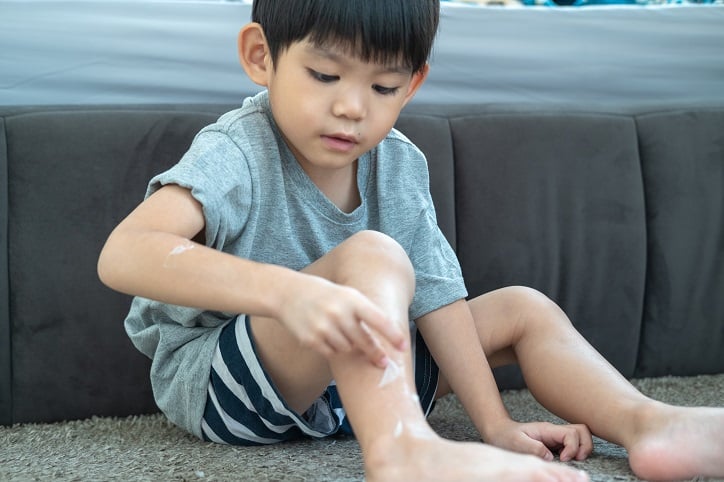
Pediatric Eczema

Common triggers for eczema flare-ups include:

  • Irritants: Soaps, detergents, and certain fabrics, such as wool, polyester, and nylon, can irritate the skin.
  • Allergens: Pollen, dust mites, and pet dander may exacerbate symptoms.
  • Climate: Cold, dry air or excessive heat and sweating can worsen eczema.
  • Diet: Some children may be sensitive to certain foods, such as soy products, eggs, citrus, and nightshade vegetables.

Symptoms and Diagnosis      

Eczema typically appears as red, inflamed, and itchy patches of skin. In infants, it often affects the face, scalp, and extremities, while older children may experience it on the neck, wrists, and ankles. The skin may become raw and sensitive due to chronic scratching and then become increasingly thickened and scaly as itching continues.

Diagnosis is usually clinical, based on the appearance of the skin and the patient’s history. In some cases, doctors may perform allergy testing to identify potential triggers. Recognizing the symptoms early and seeking medical advice is essential for effective management.

Treatment Options

While there is no cure for eczema, various treatments can help manage symptoms and prevent flare-ups. The primary goal is to maintain the skin barrier and reduce inflammation. Treatment options include:

  • Moisturizers: Regular application of emollients helps keep the skin hydrated and reduces dryness. Ointments that contain plenty of oil, like petroleum jelly, are best.
  • Topical Corticosteroids: These anti-inflammatory creams are used to control flare-ups. Be sure to check with your doctor before using any corticosteroids, as some can damage children’s skin.
  • Antihistamines: These can help reduce itching, especially at night.
  • Wet Wrap Therapy: This involves applying a damp layer over medicated cream to enhance absorption and provide relief.
  • Avoiding Triggers: Identifying and minimizing exposure to known triggers is crucial.

Lifestyle and Home Remedies

In addition to medical treatments, certain lifestyle changes and home remedies can alleviate eczema symptoms:

  • Bathing Practices: Short, lukewarm baths with mild, fragrance-free soap are recommended. Pat the skin dry and apply moisturizer immediately.
  • Clothing Choices: Soft, breathable fabrics like cotton are preferable. Avoid wool and synthetic materials that can irritate the skin.
  • Environmental Control: Use humidifiers in dry climates and keep the home free of dust and allergens.
  • Dietary Adjustments: Keeping a food diary can help identify and eliminate potential food triggers.

Conclusion

Understanding pediatric eczema is vital for parents to provide effective care and support for their children. By recognizing the causes and triggers, identifying symptoms, and utilizing appropriate treatments and lifestyle adjustments, parents can help manage their children’s eczema and improve their quality of life. Always consult a healthcare professional for personalized advice and treatment options.
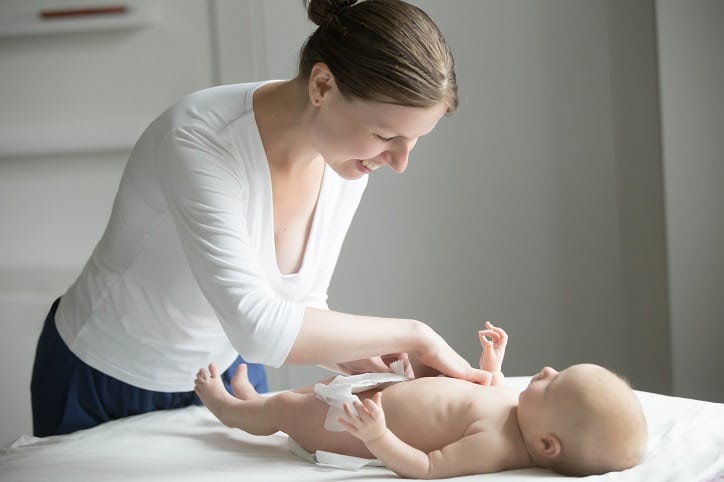
Newborn Skin Care Routine

When you think of a baby’s skin, the first words that probably come to mind are “soft” and “blemish-free.” However, when a baby is first born, its skin is much thinner than that of an adult, which means it can be much more sensitive to irritants and doesn’t hold moisture so well. 

Having a newborn skincare routine helps to protect your child while their skin naturally matures. In this blog, we’ll look at some ways that you can look after your newborn’s skin and make sure it stays soft and healthy.

The First Couple of Days After the Birth

When your little one arrives, you’ll notice that their skin is coated in a white, sticky substance called vernix. This acts as a natural moisturizer and also protects their skin from infection. You want to leave this on their skin. Over the first twenty-four to forty-eight hours, your baby’s skin will naturally absorb it. They will then be ready for their first bath. 

Skin Care Routine in Littleton

Bathtime for Newborns

Regular baths are a great way to keep your baby’s skin from drying out. Two to three times a week is usually enough for most babies, but finding a routine that works best for you is essential.

Start with sponge baths until the umbilical stump falls off. Once that happens, your baby will be ready to go in the water. Ensure that the water isn’t too hot or deep, and only use baby soap and shampoo. 

When cleaning your baby’s skin, use a soft washcloth to gently cleanse the skin, focusing on the diaper area, neck, and feet. 

Change Diapers ASAP 

Diaper rash is the most common type of skin problem you’ll likely see in your child. It is caused by the child’s skin coming in contact with pee or poop for an extended period of time or the diaper rubbing against the creases of their skin. Regularly changing their diapers, even if they are only a little wet, is the best defense against this. However, if you notice a rash in their diaper area, apply a zinc oxide diaper cream when changing it.  

Protect Your Baby Against the Sun and Heat

Your newborn’s skin is very sensitive and doesn’t retain moisture well, putting them at greater risk of sunburn or heat rashes when outside. The best thing you can do is ensure that they are cool and in the shade whenever possible. Use umbrellas or the hood of their stroller while you are out and about. 

It is best to limit sun exposure between 10 a.m. and 4 p.m. If you go outside, use protective clothing, glasses, and a wide-brimmed hat to keep their skin safe from UV rays.

Take Care of Your Baby’s Nails 

Keep an eye on your baby’s fingernails, as they grow quickly and can get sharp, leading to scratches on the face and body. Trimming their nails once a week helps to prevent this, although you may need to experiment to find the ideal time to do the task. Some parents wait until their newborn has a nap or has just had a bath to trim their nails. 

Developing a newborn skincare routine that works for you and your baby takes some time. Just remember to make sure you keep your baby’s skin clean, dry, and out of the sun. If you have any questions or concerns about your newborn’s skin, call us today to book an appointment with one of our board-certified pediatricians in Littleton

Chickenpox: Causes, Symptoms, Treatment & Prevention

Although it is not as common as it was in the 1990s, parents today still need to be aware of the signs and symptoms of Chickenpox.

Keep reading to get all of the latest information on the causes, prevention, treatment, and symptoms of Chickenpox in the United States today.

What is Chickenpox?

Chickenpox is a highly contagious communicable disease that was extremely prevalent in the United States before the introduction of the Chickenpox vaccine. Chickenpox can be mild or moderate and can develop into more serious complications and even death.

Today, Chickenpox affects fewer than 150,000 individuals per year in the United States, down from a peak of 4 million cases annually in the early 1990s. The immunization for Chickenpox was introduced in 1995 and continues to keep rates at bay today.

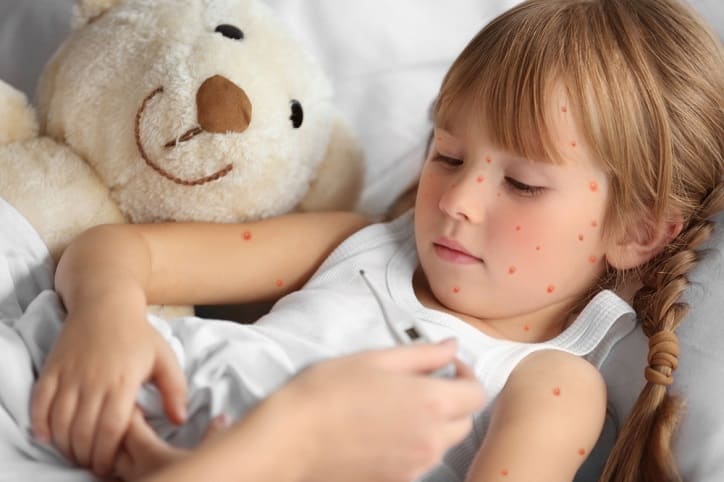
Chickenpox causes a red, itchy rash that produces fluid-filled blisters that scab over before eventually falling off. Chickenpox spots can even turn into permanent scars, and adults who have had Chickenpox in childhood can develop a rash known as Shingles.

Chickenpox
Cause of Chickenpox

Chickenpox is caused by a virus called the varicella-zoster virus (VZV). The virus spreads rapidly among those who are exposed and have not been immunized. Once a child has recovered from Chickenpox, they develop immunity against the virus.

Chickenpox is the most contagious in the first 2-5 days of infection (before developing the distinctive rash) and remains contagious until all of the spots scab over.

Chickenpox cases peak in winter and spring, especially between March and May, in conjunction with flu season. It is most common in children under the age of 10.

Children who have been vaccinated can still get sick, although these cases of “breakthrough Chickenpox” usually have milder symptoms with fewer or no blisters.

The Varicella virus can reactivate as Shingles in adults who have had Chickenpox and can then cause Chickenpox to develop in those who are not already immune.

Symptoms of Chickenpox

The most distinctive feature of Chickenpox is a red rash that turns into itchy, fluid-filled blisters. These blisters will eventually turn into scabs and fall off. The Chickenpox rash usually is first apparent on the chest, back, and face. It will typically then spread over the entire body and persist for about 5-10 days.

Other symptoms of Chickenpox in children can be mild or severe and may include:

  • Fever
  • Fatigue
  • Loss of appetite
  • Headaches
  • Sore throat
  • Stomachache
  • Nausea

A physical exam can help identify signs of Chickenpox, and testing is usually not needed to confirm a diagnosis of Chickenpox.

Treatment of Chickenpox

Home remedies are the most commonly prescribed treatment for children with Chickenpox. Treatment options include oatmeal baths, calamine lotion, and baking soda baths. Most cases of Chickenpox resolve within a week or 2.

Parents can help assist their child’s recovery by offering plenty of fluids, ensuring adequate rest, and relieving symptoms through over-the-counter (OTC) medications such as Tylenol. (Ibuprofen is not recommended for use during Chickenpox due to a small increased risk of severe skin reactions, and Aspirin should be avoided in children as well.) If needed, your child’s doctor can prescribe medications such as chlorpheniramine to help combat severe itch and pain.

Since Chickenpox is a virus, it can be treated by antiviral medication in some cases, particularly in at-risk groups such as infants and pregnant women. While this medication does not cure Chickenpox, it can help make symptoms less severe. Talk to your child’s doctor about receiving antiviral medication for Chickenpox.

Children who have weakened immune systems are at a higher risk of developing complications and should be monitored extra closely when they have Chickenpox.

(Pregnant women are also at risk and should consider receiving a Varicella booster.)

In rare cases, Chickenpox can cause serious complications, including pneumonia or encephalitis. The risk of hospitalization and death from Chickenpox is higher in teenagers and adults. Bacterial skin infections are also possible, so be sure to keep your child’s blisters and scabs clean and discourage scratching.

Contact your child’s doctor in Littleton ASAP if you have any questions or concerns about Chickenpox treatment. And if you see any signs of serious illness, such as a persistent high fever, dehydration, or infection, be sure to visit your local emergency department right away.

Prevention of Chickenpox

The virus that causes Chickenpox is easily spread through respiratory droplets, saliva, skin-to-skin contact, or touching a contaminated surface. It can also spread from mother to baby during pregnancy, labor, or nursing.

Measures to help prevent Chickenpox include:

  • Ensuring your child receives all of their immunizations on schedule – which includes the Varicella vaccine
  • Avoiding people who are symptomatic
  • Avoiding crowds or wearing a mask in crowds
  • Practicing good hygiene– such as frequent handwashing
  • Boosting your child’s immune system through a healthy diet and vitamins

It is important to note that parents should not participate in “Chickenpox parties” in which they purposely expose their child to the Varicella virus in order to “get it over with.” Since some children can develop serious complications from Chickenpox, parents should never take the risk of purposely exposing their child to the virus.

If you think your child may have come down with a case of Chickenpox, give us a call today to discuss treatment with one of our friendly, board-certified pediatricians.

Dry Skin in Children

There are many factors that can affect your child’s skin, including weather, environment, allergies, skin conditions, and even certain medications. Dry skin is a very common condition that is more common in younger children than it is in older teens and adults. Keep reading to learn more about the causes and treatment of dry skin in children.

causes and treatment of dry skin in children

Causes of Dry Skin in Children

The most common causes of dry skin in children include:

  • Eczema – Eczema is a very common skin condition that causes flare-ups of inflamed, scaly patches on the skin. It can occur in babies and children of all ages. Eczema most often presents in the folds of the skin, such as inside the elbows and the backs of the knees. It is also commonly seen on the face. Eczema patches can spread, become painful, bleed, and even get infected. Flare-ups can be managed by avoiding skin irritants and allergens, applying moisturizer regularly, and avoiding sweat/overheating.
  • Environment – Cold weather and other environmental factors can lead to a higher prevalence of dry skin in children and adults alike. Wind, extreme heat, low humidity, and too much time indoors with a heater can also cause dry skin.
  • Medications – Some medications can result in dry skin as a side effect. For example, if your teen is taking isotretinoin for acne.

Genetics can also play a role in whether your child suffers from eczema or other causes of dry skin.

Treatment of Dry Skin in Children 

The most common way to treat most cases of dry skin in children is by using a lotion or moisturizing cream. Moisturizer works best when applied directly to your child’s skin immediately following a bath while their skin is still warm and damp.

Other ways to manage dry skin include avoiding long showers or baths, avoiding the use of soaps and fragrances which can dry out the skin, and using a humidifier indoors.

Ointments, creams, and skin barrier creams are more effective at hydrating the skin than lotion. Some of the best products for treating dry skin in children are those that contain ingredients such as petrolatum and glycerin. Some of the most popular and effective creams for kids with dry skin include Aquaphor, Cetaphil, and CeraVe. Eczema may require treatment with a topical corticosteroid ointment such as Hydrocortisone.

A dermatologist can help prescribe other treatment options if the steps above aren’t enough to help alleviate your child’s dry skin.

Dry skin, especially in the case of eczema, can even become infected and may require treatment with antibiotics. Watch for patches of dry skin that are extremely painful, red, inflamed, crusted, oozing, or yellow, as these may be signs of infection. Your child can even develop a fever from a skin infection.

If you have any questions or concerns about your child’s dry skin, contact us to schedule an appointment with one of our friendly board-certified pediatricians in Arvada.