Treating Childhood Acid Reflux

Acid reflux is a painful condition caused by stomach acid reaching the esophagus and other parts of the upper digestive tract. Pediatric specialists are well-trained in handling acid reflux, both in infants and young children. The treatment plan looks very different between these two groups, and it is important to consider a child’s development.

Treating Childhood Acid Reflux

Medication is an option for serious cases, and there is a wide variety of types of GERD medications, including antacids (Tums), anti-histamines (Zantac), and proton-pump inhibitors (Nexium). But for young children, it is always best to try to make lifestyle changes before resorting to medication. Quite often, even the smallest changes can make a big difference if the issues are identified early.

Acid Reflux in Infants

Believe it or not (and you probably believe it if you are reading this article), babies can have acid reflux. The cause for infants is an underdeveloped gastrointestinal tract. Pediatric specialists will often suggest making changes to the feeding process, which is when it is most often recognized. Babies who have acid reflux may not take food well, cry after they breastfeed, or even show signs that they do not want to eat.

The most important steps to take when an infant is experiencing acid reflux is to refrain from letting them lay down directly after eating and to feed them in smaller amounts at higher intervals, as opposed to larger amounts. This will ensure that they are able to properly digest the food and not experience the painful symptoms.

Reflux in Young Children

For this age range, pediatric specialists will suggest more serious lifestyle changes, as it is less likely to disappear on its own like they do in babies under one year old. Much like a baby, children should stay up for hours after eating, not eat too soon before bed, and eat smaller, more frequent meals. Ensuring that the child is getting enough exercise will also have a positive impact, as obesity is commonly associated with acid reflux in all ages.

A healthier diet will make a world of difference as well. There are many foods that can cause acid reflux, but they are generally less nutritional anyway. Drinks that are high in sugar and carbonation (namely, soda and juice) are often the worst offenders. Spicy and fried foods are two other common culprits.

As opposed to frying foods, try baking or grilling. Reducing spice content should also be easy to do, especially in home-cooked meals. And instead of sugary drinks, make water the drink with meals. Young children cannot cook for themselves yet, so it is the responsibility of the caregivers to ensure that the children are eating the right foods to protect their esophagus and stomach. A pediatric specialist will be able to offer more diet advice by hearing individual issues the child is experiencing.

Adults with GERD and acid reflux are all too aware of the pain that comes with the burning sensation and other symptoms. For a baby or young child, it can be even more distressing, and they often will not be able to properly communicate what is wrong.

Thankfully, acid reflux in this age range can be reversed and alleviated by making the right changes and feeding them a little differently. See pediatric specialists to learn more if lifestyle changes alone have not worked.

Five Ways You Can Get Involved in Your Child’s Life

As kids start growing up, it becomes more difficult to communicate and stay aware of their day-to-day lives. This problem affects many parents and can be a source of anxiety. There are many different ways, however, that you can be more involved in your child’s life—without making them feel like you are overbearing.

Five Ways You Can Get Involved in Your Child’s Life

There are lots of different little things you can do, from working through a pediatric practice to simply talking to them when they’re open to communicating. The following are some ways you can be more familiar with your child.

1. Open Communication

If there’s something that’s stereotypical of children, it’s that as they start moving into their teenage years, they start to grow more distant from their parents. During that time of transition, it is often difficult for parents to keep an open mind and support their child. You should encourage open communication and a sense of trust, and you should avoid making your child feel that they are being judged or scrutinized.

2. Pediatric Help

A pediatric practice is usually made up of a group of different specialists working in the pediatric field. Pediatricians are specifically trained to help a child through all stages of life, and therefore, making regular appointments for your child will help foster a healthy lifestyle. In addition, your child may be more willing to talk about personal topics with the pediatrician than they are with their parents.

3. Constructive Criticism of Mistakes

You should never outright approve of mistakes that your child makes, but neither should you reprimand them too severely. When you are talking with your child, you should express your disapproval for an error but focus on the error rather than the personal merits of your child. That means you need to make sure you focus on why the mistake was bad rather than how the child made the mistake.

4. Stay Hands-Off When Asked

Probably the biggest problem that affects a child’s relationship with their parents is that they can perceive their parents to be overbearing. If you get the sense that your child is in an annoyed mood or doesn’t feel like talking, don’t push. If you foster a relationship of trust, then your child will be willing to go to you.

5. Keep Your Child’s Health in Mind

More than anything, your primary responsibility as a parent is to keep your child healthy and happy. Maintaining a healthy lifestyle is often difficult for adolescents because their bodies are changing so rapidly. You should always keep a local pediatric practice on hand for consultation when you need advice for signs of trouble.

These five tips are necessary to maintain a stable relationship between you and your child. As a parent, you are given the burden of being an authority figure while also keeping an open relationship. At times, these two jobs will contradict each other, and in the end, it’s up to you to decide how to proceed.

Why Children Know More about Their Health than Parents Know

Many pediatric physicians will tell you that kids know more about what is going on with their bodies than a parent can ever know. More often than not, parents will disregard their children’s complaints about their health. At the time, complaining about a stomach ache or a sore throat can seem like a non-threatening problem.

However, physicians all agree that children are aware of their health issues, and they become distressed just like we do. All they have is a problem with articulation. Here are a few ways you can help your child describe the problems he or she is having.

Ask a Pediatric Physician

More often than not, the problem with communicating may not be with the child at all, but rather the parent. This is because children think differently from adults and may not know all the words for what they are describing. This is where the pediatrician comes in.

Why Children Know More about Their Health than Parents Know

Your child’s pediatric physician should know your child very well, having taken care of them for the better parts of their lives. That being said, you can always ask the pediatrician for advice of how to speak to your child on their level in order to communicate how they are feeling. Communicating in a way that is familiar to them will make your child more open to talking to you in the future.

If all else fails, make an appointment with the pediatrician to discuss things further.

A Random Remark Might Actually Be Something Serious

Pediatricians are trained in identifying all sorts of health problems that could be an issue further down the line. Symptoms may be subtle or unnoticeable by an adult, but the child could be fully aware of a problem. They may just not be able to communicate it correctly.

When your child is experiencing something out of the ordinary with their body, they may make a random comment that might seem off or merit further investigation. For example, if your child is talking about how something itches, you should ask them other questions relating to these symptoms. You should ask how long the problem has been going on and where it is.

After identifying the issue and all the pertinent information, take your child to the pediatric physician to look further into the problem. Before talking about the problem yourself, have the patience to let your child talk it out first. This is difficult for most parents, but they may be more forthright with their pediatrician than the information they gave you. So after your child is done talking, fill in the blanks with whatever else you know.

Pay Attention and Be Considerate

We often forget that our children are people just like us, with thoughts and feelings that are just expressed in a different manner than what we are used to. Above all else, you should make sure your child trusts you enough to communicate whatever problem they may have, meaning you should not scold them if they complain about a health problem. If all else fails and you are not sure what to do, make sure you go to your child’s pediatric physician.

Important Steps to Take During Your Pregnancy for Your Child’s Health

If you’re expecting, first of all—congratulations! Of course, you want the best for your child and a life of health and happiness. You can do a lot to start them off right before they’re even born. Here are some very important steps to take during your pregnancy to protect and ensure your baby’s health.

Start Your Prenatal Care ASAP

The sooner you begin your prenatal care, the better the chances are for a healthy baby. As soon as you find out you are pregnant, establish care with an obstetrician. Keep to your appointment schedule and feel free to talk with your obstetrician about any questions or concerns you might have.

Important Steps to Take During Your Pregnancy

Keep Yourself Healthy

During your pregnancy, your body is your baby’s whole world. The condition of that world is dependent upon your own health. Keeping yourself healthy keeps your baby healthy.

First and foremost, immediately stop any unhealthy bad habits. Quitting tobacco or marijuana use is the most critical step to take. Even a single cigarette a day can have an enormous negative impact on your unborn child’s health. If you need help quitting, talk to your doctor. They can offer several options to assist you.

Also, avoid all alcoholic beverages during your pregnancy. It’s not totally clear if there’s a “safe” level of alcohol consumption for pregnant women, so it’s best to completely abstain.

Finally, make sure you’re getting proper nutrition and exercise. Eating a healthy diet and engaging in low to moderate regular exercise will benefit both you and your baby. Your personal primary care physician or obstetrician is an excellent source for diet and exercise advice.

Prepare for Breastfeeding

Multiple studies have shown that babies who are fed breast milk instead of formula are generally healthier, not only in infancy but throughout childhood and adolescence. Breast milk provides many natural immunities and nutrition to your child that formula simply can’t replace.

If you have anxieties or questions about breastfeeding, speak with your physician. He or she will be able to recommend a lactation center and provide information about breastfeeding. You’ll also be able to find facilities where you can purchase or rent breast pumps. Your local pediatric clinic or hospital will be able to recommend useful resources.

Start Your Search for a Pediatrician

Once you know you’re pregnant, it’s never too early to begin looking for a pediatric clinic for your future baby. A great place to start is to simply ask your friends and family who they use. If the pediatrician they recommend is not accepting new patients, perhaps one of their partners at the same clinic is available.

You can also search online for reviews and references. Once you find a suitable pediatrician in Littleton, go ahead and let their office know your due date and the name of the hospital where you plan to deliver. That way, you will already have a specialist on hand to evaluate and care for your new bundle of joy from the very beginning.

Effective Tips for Babyproofing Your Home

If you’re a parent or grandparent, or you frequently have small children in your house, babyproofing is absolutely essential. Babies are extremely curious and surprisingly mobile. They can get into the most unexpected of spaces and, of course, aren’t aware of any dangers or hazards.

But effective babyproofing can be difficult. It’s all too easy to overlook an area. That’s why it is important to have a good checklist to cover all your bases. Even if you have an infant who isn’t crawling yet, it won’t be long before they’re all over the place. Make use of the checklist below by Littleton Pediatrician to ensure that your home is truly babyproof.

Effective Tips for Babyproofing Your Home

Baby Gates

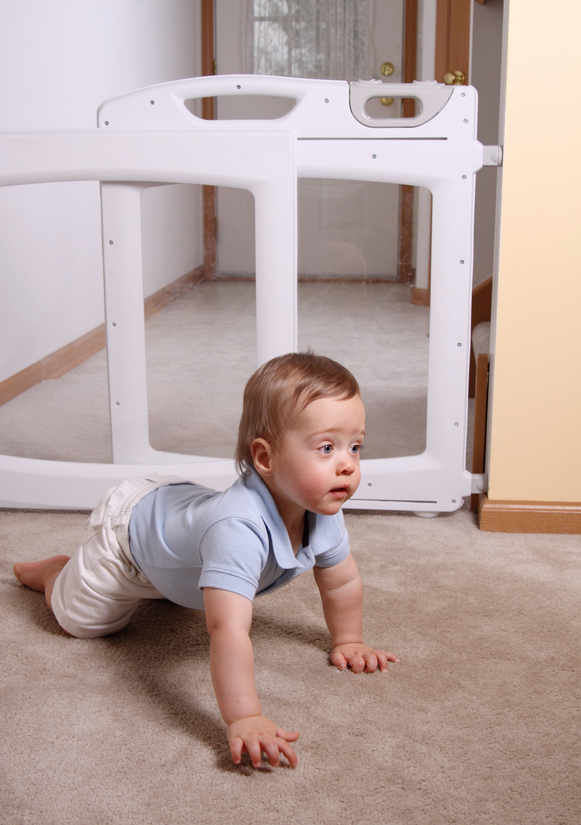
Gates should be placed to keep your little ones out of anypotentially hazardous areas. This includes the tops and bottoms of staircases. Make sure you have installed the gates properly, as a determined baby can use their bodyweight to topple a flimsy gate.

Outlet Covers

Electrical outlet covers are classic but vital pieces of baby proofing equipment. While most children are unable to get their fingers into outlets, even the youngest child can easily grasp a metal object, posing the risk of electrical shock. Prevent this by covering every unused outlet in your home.

If you find it inconvenient to constantly remove and replace outlet covers, new sliding door styles are available that are both effective and convenient. Also, don’t forget to secure any cords or cables, including phone chargers.

Secure Furniture

The American Academy of Pediatrics, a professional group of doctors for children, recommends that furniture be secured, so it’s sure not to topple. Furthermore, pad any sharp corners or edges with bumpers.

Televisions and monitors present a special hazard. Flat screens are heavy and easily knocked over, posing a serious risk. Be certain they are out of reach and properly secured.

Lock Cabinets

Any cabinet that a baby can possibly reach should be locked if it contains sharp, small, or breakable items, hazardous substances like drain cleaner or bleach, or pet food. Don’t take a chance. If you’re in doubt, it’s better to always err on the side of safety, and secure the cabinet with a baby lock.

Pets

Your pet is probably a cherished part of your family, but they are still an animal. You simply don’t know for certain how they will react to your baby, especially if unintentionally provoked. Babies should only be around pets under constant and close supervision. Otherwise, keep them physically separated to maintain the safety of both.

Choking Hazards

Any object small enough to fit into a baby’s mouth can be a choking hazard. This includes batteries, game pieces, pet toys, and tools. Keep any small objects away from babies at all times and make sure they are safely secured.

Fire Safety

Functioning smoke detectors and working fire extinguishers are critical equipment in any home, especially in a home with children. Around the world, doctors for children emphasize the importance of these safety devices and having an escape plan in place in the event of a fire.

Why Are Immunizations So Important for Kids?

You’ve probably heard a lot in the news lately regarding immunizations. Some of the information comes from credible, expert medical sources. Other comes from people with no credentials other than their status as a celebrity. In recent years, there’s been a resurgence of pertussis (whooping cough) and other childhood diseases. Yet, some still say that vaccines are harmful. So are immunizations good or bad for your kids? Are they important or not?

The answer is that immunizations are critical, not just for your child, but for society as a whole. Here are some very good reasons why.

Why are Immunizations so Important for Kids

Immunizations Help Protect the Unprotected

Most children aren’t able to start receiving vaccines until the age of two months, with the exception of hepatitis B. So why aren’t all infants and newborns sick? For one, babies do receive some natural immunities from their mothers, but these dissipate over time. Also, babies that are fed breast milk will receive some immune boosters that way.

But the other answer is herd immunity. Simply put, herd immunity is the prevention of disease transmission through the immunity of most of the members in a group. So a newborn that hasn’t yet received a measles vaccine is protected because most of the people around him or her are vaccinated against measles, and therefore can’t spread the disease.

Herd immunity also protects people other than the very young. Some people cannot receive vaccines due to allergies or a compromised immune system. For example, many leukemia patients have weakened immune systems and can’t get certain vaccines.

Of course, when a significant proportion of the population is no longer vaccinated against a disease, almost always by choice, herd immunity breaks down. That’s when tragic cases of unnecessary illnesses and deaths in children occur.

Immunizations Prevent the Resurgence of Disease

Many decades ago, polio was a scourge in the United States. People lived in fear of this disease, and many children died or were permanently disabled due to its ravages. Until Jonas Salk formulated a vaccine, entire hospital wards of iron lungs were a common sight. By many estimates, Dr. Salk was responsible for saving more lives than any other person in history.

Unfortunately, polio and many other diseases still exist in other parts of the world. Although they’ve been eradicated in the U.S., this doesn’t mean they’re gone for good. Maintaining immunizations ensures that these diseases don’t reappear among our population and cause death and disfigurement.

Immunizations Prevent Pain and Suffering

Making sure that your children are immunized at your pediatric clinic on schedule can save them much future pain and suffering. Most adults today had chickenpox at some point in their childhood. However, their children can be spared the itchy sores and missed school days that their parents had to suffer through, all due to the chickenpox vaccine.

Of course, immunizations protect against diseases far more serious than chickenpox. Current vaccines can even help to prevent cervical cancer in women. Having your child vaccinated at their pediatric clinic helps ensure not only their current wellness but their future health as well.

Heat Stroke in Kids

These days, it seems each summer is hotter than the one before. Hot weather, even on cloudy days, can be dangerous, especially to kids. Heat stroke, or hyperthermia, is a serious threat, and thousands of cases appear each year in the U.S. Prepare yourself and your family by knowing, and watching out for these major signs of heat stroke or overheating.

Breathlessness

It’s normal for kids to get out of breath when they’re playing outside, especially on a hot day. But if your child is having trouble catching their breath, wheezing, or experiencing chest pain, you need to seek medical attention or call 911 right away. These could all be signs of heat stroke. Bring them under shade or indoors and make them sit or lie down. Cool washcloths to the forehead and armpits can also help while you wait for help to arrive.

Heat Stroke in Kids

Nausea and/or Vomiting

During many cases of heat stroke, the patient becomes very nauseated and sometimes will vomit. If your child feels nauseous or begins to throw up, get them in the shade to cool off right away. Then get medical attention from your pediatric doctor.

No Sweating

Humans sweat in order to release excess heat. As the perspiration evaporates on our skin, it cools our bodies down. If a person is still in a hot environment but is no longer sweating, it is probably a sign of dehydration. You can’t sweat if your body can’t spare the fluid. Again, if you see this in your kids or anyone else, get them to a cool, shady place and let them drink some water. Then call 911 immediately.

Disorientation

Disorientation and difficulty controlling movements are major signs of hyperthermia. If your child exhibits difficulty speaking, seems disoriented or tired and finds it difficult to arise, or stumbles when they try to walk, it may be due to heat stroke. Have them lie down in a cool place and seek help from your pediatric doctor or other medical professional right away.

Feeling Cold

On a hot day, the last thing you expect is to feel chills, but many heat stroke victims have reported feeling cold during their hyperthermia. If a child reports feeling cold during a hot day outside, they may be suffering from heat stroke. Again, getting them out of the heat and seeking immediate medical attention is the best course of action.

How to Prevent Heat Stroke

Of course, the best cure is prevention. Avoid exposing your child to heat stroke in the first place by taking a few simple precautions. First, it’s essential that your kids are adequately hydrated. Humans lose water rapidly in hot conditions, so it’s a good idea to be almost constantly drinking fluids outside on a hot day. Sodas and fruit juices are not efficient at replacing lost water. Pure water or caffeine-free sports drinks are a much better idea.

Next, be sure that the kids take a ten to fifteen-minute break at least once an hour. The break should be in cool shade or indoors. Finally, insist that your kids take a longer break out of the heat at the first sign of exhaustion or lethargy.

6 Important Safety Tips for Your Child’s Birthday Party

A birthday party should be a fun, memorable event for all involved. Make sure all the memories are happy ones by following these Littleton pediatrics healthcare provider-approved safety tips for your child’s next birthday celebration.

Birthday Party Safety Tips by Littleton Pediatrician

Pool Safety

Pool parties are great crowd-pleasers, especially during the summer months. It’s vital, however, that you take some precautions.

Make sure that children are attended at all times. A good rule of thumb is to have at least one responsible adult for every five children. The adults on guard duty should be strong swimmers. At least one attendee should also be certified in CPR.

Strictly enforce rules around the pool area, such as no running and no fighting.

When it’s time to go inside for cake and ice cream, triple check to ensure there are no kids still outside. Many tragedies have occurred when an unattended child has fallen into a pool.

Food Allergies

Food allergies are being seen more and more frequently. While peanut allergies are still the most common food allergy you’ll encounter, there are many others.

When sending out invitations, don’t forget to ask parents to list any allergies their child may have. Parents of kids with severe food allergies might elect to have their child bring their own sealed food to be sure it’s safe. If one of your guests has a food allergy, keep a watchful eye to be sure they don’t eat or even come in contact with unsafe food.

Allergic children should also have an adrenaline shot known as an EpiPen on hand for emergencies. Administering an EpiPen is extremely simple, and it’s a good practice to learn. Take the time to speak with your Littleton pediatrics health provider to learn how.

Insect Allergies

In addition to food, stinging insects can also cause allergic reactions. If a child is stung, monitor him or her for swelling, trouble breathing, and difficulty swallowing. These signs are very similar to those seen in food allergy reactions. If any of these symptoms appear, call 911 immediately and administer an EpiPen. Remember, a child may be allergic to insect stings even if they’ve shown no sensitivity in the past.

Fire Safety

Every kid loves blowing out the birthday candles and making a wish. Just be certain that you observe some basic fire safety. Be mindful of flammable decorations, such as confetti and paper streamers, and always have a fully charged fire extinguisher nearby.

If you’re grilling, watch for little ones running or playing in the vicinity. The cooking area should be monitored by an adult at all times, and no child should be allowed around the grill until it has completely cooled.

Bouncy Houses

Bouncy houses/jumping castles are great fun, but a few sensible precautions need to be observed. First, rent the bouncy house from a reputable rental agency that will come to your party site and install it properly.

Most importantly, be aware that although these structures may look large, they are extremely light weight. Under no circumstances should they ever be used in windy conditions. A single strong gust can send a bouncy house high into the air, even with kids inside. There have been several recent cases of children seriously injured in this manner.

Choking Hazards

Even if your child is older, be aware that there might be guests’ younger siblings at your party. Deflated balloons, small party favors, and cupcake toppers can all present a choking hazard to these little ones. Consider age-appropriate alternatives for babies and toddlers and make certain that younger children are never left unattended or allowed to crawl on the ground where they might scoop up a small object.

Littleton Pediatrics Tips to Keep Your Kids Healthy over the Holidays

The holiday season has arrived, and parents everywhere anticipate the flurry of celebrations, activities, and plentiful downtime. While the gifts of holiday cheer and great memories may be exciting, don’t forget one of the best intangible gifts you or your loved ones can have: health. No less than the Centers for Disease Control and Prevention provide some tips that you should keep in mind: [Read more…]

Littleton Pediatrician Helps You in Keeping Your Sporty Kids Healthy

There could be hundreds of reasons why kids actively engage in sports – growing up to be like their sports icons, fitting in with peers, getting fit and fighting obesity. Although generally, the physical activity would be beneficial to their health, some kids might go overboard and wear their body down at an early age. Yahoo! Health reporter Ryan Wallace has more on the story:
[Read more…]

Pediatrician in Littleton on Managing the Pain of Strep Throat

Tips from Your Pediatrician in Littleton on Managing the Pain of Strep Throat

pediatrician Littleton strep throat tipsFor many kids and teens, getting strep throat is a rite of passage. This illness is caused by the streptococcal bacteria, and its symptoms include fever, belly pain, vomiting, and, of course, a very painful throat. If your child exhibits these symptoms, be sure to visit a trusted Littleton pediatrician who will conduct a rapid strep test to determine the presence of this bacterial infection.

As you might expect, though, strep throat will hinder your child’s ability to eat and drink properly. When this occurs, you can always contact your local pediatrician in Littleton, but here are some tips that will help you manage your child’s discomfort:

Follow Through on the Antibiotics

Since strep throat is a bacterial infection, a pediatrician will prescribe antibiotics to cure it. If you want your child to fully recover at the soonest time possible, though, let your child complete the full course of antibiotics. As KidsHealth.org writes:

In most cases, doctors prescribe about 10 days of antibiotic medication to treat strep throat. Within about 24 hours after starting on antibiotics, your child will probably no longer have a fever and won’t be contagious; by the second or third day, other symptoms should start to go away.

Even if your child feels better, he or she should continue to take the antibiotics as prescribed. Otherwise, bacteria can remain in the throat and symptoms can return. Completing all the antibiotics the doctor prescribed is the best way to prevent other health problems that can be caused by a strep infection, such as rheumatic fever (which can permanently damage the heart), scarlet fever, blood infections, or kidney disease.

Peace and Quiet

Kids are naturally energetic and are prone to scream and shout during playtime. However, vocal strain can worsen the pain of strep throat, so gently remind your child to give his or her voice a rest for a few days.

Managing Mealtimes

Strep throat can make swallowing a painful experience, which in turn makes mealtimes tricky. For the time being, give your child soft, easy-to-swallow food like soups and yogurt. To make drinking easier, give them a sippy cup or a straw to sip drinks from. If your child is over a year old, you can also give them a teaspoon or two of honey, which naturally soothes sore throats. With regard to medicine, you can ask your child’s pediatrician to prescribe liquid antibiotics to make ingestion easier.

Don’t forget, you can always use our pediatric Symptom Checker with information and care guidelines for Strep Throat and other childhood illnesses.

(Source: Strep Throat, KidsHealth.org)