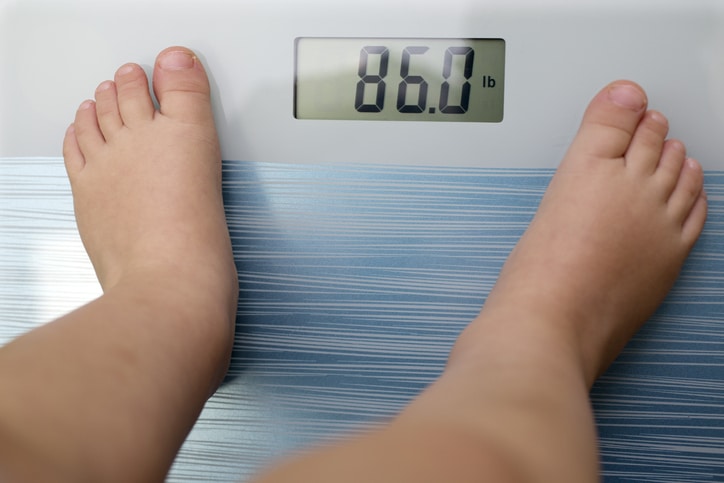
The Proactive Parent Guide: Five Tips to Prevent Childhood Obesity

Childhood obesity is a worrying condition which has seen a steady increase in the USA over the last decade. A diet based on processed food and a limited amount of exercise are seen as the two main culprits. However, there is a lot we can do to ensure that our kids remain at a healthy weight while they are growing up.

Obesity can have detrimental effects on our child’s mental and physical well-being, so it is important that we get on top of this as soon as possible. If you are concerned about your child’s weight or are a new parent, then these five tips to prevent childhood obesity will come in helpful.

Regular Checkups

Your pediatrician will regularly check your child’s weight during their well-child exams and help you with any issues that arise. It is vitally important that you stay on top of this because childhood obesity can lead to all sorts of childhood complications.

While it is normal for kids to go through growth spurts and put on weight during their development; however, if their Body Mass Index (BMI) is too high then they are not at a healthy weight, and immediate action should be taken.

The Proactive Parent Guide: Five Tips to Prevent Childhood Obesity

Get The Diet Right

The first thing you can do as a parent is ensuring that your child has a healthy balanced diet which minimizes saturated fats and sugars. This doesn’t mean you have to ban candy and potato chips from the house; instead you need to educate your kids on moderation and the risks of binge eating.

Starting your kids on healthy snacks from a young age will help to minimize their need for these products. Obviously, chocolate and candy could be used as a sweet treat, as can a round of burgers or a pizza night, but it should never form the basis of a child’s diet.

Keep Hydrated

Keeping hydrated can act as the first line of defense against hunger pangs. If your child regularly drinks water, then they will not feel the need to eat so much. Minimize sugary juices and sodas as they contain large amounts of sugar and preservatives, which increase hunger and can add to weight gain.

Natural fruit juice, water, and herbal teas are all great choices to keep your kiddies hydrated throughout the day.

Regular Exercise

Regular exercise is crucial to the healthy physical and mental development of children. They should be encouraged to be active throughout the day and avoid spending hours in front of the TV or computer.

You can start from an early age by playing active games with your kids and then encouraging them to take up sports. Make a family walk part of your weekend routine or always have a selection of sports equipment in the car for family trips.

Limit Screen Time

It is an unfortunate fact of the modern life that we spend a lot of time staring at screens in all areas of our lives. Our little ones want to watch movies, play game apps on phones, and communicate with each other via social media. While we will not debate the pros and cons of this in this post, we will raise one note of caution.

If your child is continuously on electrical devices and uses it before bed, it can have a negative impact on their physical development and their sleep patterns. Blue screen light can interrupt our natural sleep rhythms, which is not ideal for kids, as sleep is a vital part of their overall development.

How To Maintain A Healthy BMI in Childhood In Four Easy Steps

Recently, there has been a lot of attention paid to children’s weight and the problem of childhood obesity in the USA. Maintaining a healthy weight is crucial to the development of your child and can help reduce the risk of medical problems later on in life. However, gaining weight is all part of growing up, and there may be periods where you feel that your child is overweight, or even underweight for their age.

One way that parents can help is to learn about a useful tool called Body Mass Index (BMI).  Today, we will take a quick look at how to maintain a healthy BMI in childhood, and the things parents can do to help.

What is the Body Mass Index (BMI)

BMI is a formula which calculates whether you have a body mass based on your height and weight. Your pediatrician will usually check your child’s BMI during their annual well-child exams, so there is no need to worry about any complicated formulas to do by yourself.

There are many factors which determine a healthy BMI such as age, build muscular density; so, it important to mention any concerns you may have when you visit your pediatrician.

How To Maintain A Healthy BMI in Childhood In Four Easy Steps

Health Risks

If your child is overweight, then it is essential to get advice and guidance as soon as possible. The longer you leave it, the higher risk they will be at of developing some medical issues such as:

How To Maintain A Healthy BMI

There are many things you can do as a parent to ensure that your child is a healthy weight; the obvious ones being a balanced diet and regular exercise. However, you have to make sure that you practice what you preach.

Healthy Diet

Provide your kids with a balanced diet, which offers a wide variety of different food groups. Not only will this ensure that they maintain a healthy weight, but it will also aid their mental and physical development. An example of a balanced diet include:

  • lots of fresh fruits, vegetables, legumes, and whole grained foods
  • low or non-fat dairy products
  • lean meats
  • limited amounts of sugars and saturated fats
  • lots of water
  • reasonable portions

Start Them On The Path Early

Get your kids into good habits by introducing them to healthy foods at a young age. When they start eating introduce different colored foods and get them into the habit of snacking on fruit.

Be A Role Model

Practice what you preach! You can’t expect your kids to eat healthily if you are continually eating candy and potato chips. Be mindful of this, even when they are babies, because they will want to try whatever it is that they see you eating.

Make Play Time An Active Time

When your little ones start moving around, incorporate lots of movement into your games with them.  Once they are walking, get them to do regular exercise so that they are moving about and burning calories.

Games like tag and ‘hide and seek’ can be fairly energetic, as can dancing, using a jump rope, or playing catch. All of these games will help with their coordination, as well as helping them to get into the habit of being active.

Four Essential Parenting Tips

Raising kids is one of the best jobs you can have as an adult, but no one ever said it would be easy. There will be times when you question whether you are doing the right thing, and you will undoubtedly ask friends and family: “Am I a bad parent?”

This situation is perfectly normal and is something we all go through. That is why it is always useful to have some advice or a helping hand along the way. Therefore, we have put together a few parenting tips to help keep you positive and aid you on your parenting journey.

Fun, Fun, Fun

Kids grow up so fast, so try and enjoy their childhood by setting aside time for fun activities. Even development activities like learning how to tie shoelaces, brush their teeth, and potty training are all excellent opportunities for fun.

Read books to your kids from a young age, play silly games, and always set aside some time in your day just to hang out with your kid without any distractions. All of these factors contribute to a positive and nurturing environment for all members of the family.

Four Essential Parenting Tips

Parents Are Role Models

Your child is always watching and listening to what is going on around them, which is sometimes easy to forget, especially during the early years. However, your child will start mimicking your behavior and language from an early age, so be careful!

If you are setting rules, then make sure you are not breaking them yourselves, as the mixed messages will confuse your child. Also, try and show affection to your partner in front of your child, as this can really help them develop emotionally.

Boundaries

As children grow they are constantly interacting with their environment and learning what they can and can’t do, which means at some point, they will do something wrong or undesirable. This is all part of the learning process and how you, as a parent, react can make a real difference.

The key is to be consistent in your approach and have some strategies in place to deal with undesirable behavior. Your child will always try to push the boundaries you set, but by acting in a firm, but fair manner, you can help your child start to see these boundaries themselves.

Never Be Afraid to Ask for Help

This final piece of advice is something many parents fear doing because they feel that people might think they can’t cope or that they are a terrible parent. The thing you have to remember is that raising children isn’t easy and there will be lots of ups and downs along the way.

There are going to be times when you really don’t know how to deal with a behavioral issue or some other aspect of your child’s development, and if this happens, you should ask for help. You could ask friends and family if they have had similar experiences or you could contact your pediatrician for some professional advice.

Doing this is the sign of good parenting, so please always ask if you feel you need help.

A Quick Guide to Child Behavior Issues

As your child starts developing their own personality and interacting with their environment, there will be times when you question whether their behavior is ‘normal.’ Most of the time your child’s behavior will be a result of them testing boundaries or adapting to new stimuli.

Even though their behavior might leave you pulling your hair out, it is normally nothing to worry about and will settle down by itself when you establish boundaries; however, there are times when certain types of child behavior can indicate a deeper lying problem which may need further investigation.

Everyday Issues

There are so many reasons why children might act out at some point, and they are usually down to simple things such as when they are:

  • hungry
  • tired
  • frustrated
  • bored
  • overexcited

Setting boundaries and learning to tell the signs of when your child is likely to get upset will help you to be prepared for when they start throwing a tantrum or if they are being difficult.

A Quick Guide to Child Behavior Issues

First Things First

It is essential that your child learns boundaries and knows that they have done something wrong or acted undesirably. Always try to be consistent with your approach and serve as a role model. If you don’t want your child to behave in a certain way, then make sure you do not exhibit that behavior in front of them, as this will leave them confused if you punish them for this behavior.

No matter what the child has done, always try to remain calm (which can be easier said than done!). If your child behaves undesirably, then take the time to talk to them about it and give them time to ‘cool down’ if overexcited.

Also, be mindful of the environment at home. Kids are sensitive to changes in dynamics at home, so they may be reacting to this. If you are stressed, or you are having problems with your partner, then your little one may be affected by that.

When Should I Start to Worry

There is no easy answer to this question as each child is unique, but sometimes your child’s behavior may be a symptom of an underlying problem. It is vital that you stay calm and seek medical attention instead of trying to diagnose your child’s behavior yourself.

For example, your child may be displaying behaviors similar to those of a child with attention disorders, but the behavior might actually be caused by an eye or ear problem. That is why it is essential to make a note of a child’s behavior and talk it through with a professional, so they can do the relevant tests to reach an accurate diagnosis as soon as possible.

In all cases, the sooner you speak to your pediatrician, the better Early diagnosis can help you and your child get the right treatment or find solutions which will make life easier for all of you.

Where Can I Find Help

The first place to look for advice and guidance is with your pediatrician, who is trained to identify common causes of behavioral issues in kids. They will ask you about your child and their overall physical and emotional development.

If they think it is necessary, they will conduct some tests, but in all cases, they will try to provide with help and suggestions to get past your child’s current problems.

Six Common Mistakes You Should Avoid While Breastfeeding

Breastfeeding is one of the best ways to bond with your little one.  Many mothers make mistakes or end up giving up on the process altogether. It is vital that you persevere, as breastmilk is an excellent source of nutrition for your baby and offers many benefits over formula milk.

Learning how to breastfeed involves a lot of trial and error, and every mother will find the experience different. There is a whole host of information out there for new mothers which will help you be prepared and buy any equipment you need. However, it is important to be aware of these mistakes you should avoid while breastfeeding.

Not Budgeting

It is a myth that breastmilk is free, as you will need to purchase some equipment to help you out. Breast pumps can help your milk production, and nursing bras, milk storage bags or bottles are also useful.

You may even need to purchase additional supplements to help with the quality of your milk, so take the time to talk this through with your pediatrician before the baby arrives.

Six Common Mistakes You Should Avoid While Breastfeeding

Sticking to a Schedule

This is a mistake that parents make throughout the early years of childhood and one that is likely to leave you frustrated. Babies will let you know when they are hungry; for some, it will be like clockwork, but for others, not so much.

Some days, your baby may want more milk than other days, which is perfectly normal. Just go with the flow, and you will save yourself a lot of wasted hours.

Taking the Pain

Breastfeeding shouldn’t be an agonizing experience, so if you are always in pain, then there is something which needs to change. There are numerous positions which you can try to make feeding more comfortable and make sure that your baby is getting all the milk they need.

Relying on General Rules

There is a wealth of information available for new moms about breastfeeding, but these are general guidelines. What works for one mom might not work for another, so try different positions and schedules until you find a system that works for you and your baby.

Not Asking for Help

Many mothers try breastfeeding, find the experience unpleasant and give up after a few tries. The fact is, if breastfeeding is painful or your baby isn’t getting enough food, then you are doing something wrong. Therefore, ask your pediatrician or care assistant for advice, because simple changes can make a big difference.

Getting Stressed

Breastfeeding can be frustrating and make you question if there is something wrong with you. It is easy to get stressed if everything is not perfect and worry about what people think when you are out in public.  There are always solutions such as baby changing rooms or talking things through with a professional or friend. It is important to remember you are not alone.

Not Looking After Yourself

Breast milk provides so many useful nutrients and antibodies which your baby needs; however, if you don’t look after yourself, the quality of your milk will be diminished. Therefore, make sure you eat a balanced diet and get enough sleep and exercise.

The Essential Guide for New Parents About Their Child’s Development

Having a newborn baby is an exciting time, and you will probably have loads of hopes and dreams about their future. Every stage of your child’s development is going to be full of joy as well as worry.

As they start growing and developing, you are likely to find yourself questioning how well they are getting on and how they compare to other kids their own age, which often leads to the parents worrying about the well-being of their new baby. Worry is part and parcel of being a parent, but hopefully, this guide will put your mind at ease a little and enable you to enjoy your child’s development to its fullest.

Very Important: Every Baby Is Unique

One of the first things you will probably notice when you first have a child is that everyone has an opinion on what you and your baby are doing. While this is usually coming from a good place, it is important to understand that each baby is different and will develop at their own pace.

The guidelines you will find on this subject should be used as just that. They offer suggestions about what is possible at a particular stage of development. However, some babies develop faster while others develop slower; so, our advice is to enjoy the ride and every little step your little one takes into childhood and beyond.

The Essential Guide for New Parents About Their Child’s Development

But Don’t Forget the Bigger Picture

As your baby will be unable to tell you that they are not feeling well, it is vital to pay attention to their behavior, as it may indicate there is a problem that warrants further investigation.

After your baby is born and for the first few years, you will regularly visit your pediatrician for checkups. During the checkups, you should mention if you have noticed any changes in their behavior or the way they are interacting. For example, if your baby isn’t reacting to loud noises by two-months, then they may have a problem with their ears.

The CDC has a useful list of milestones and behaviors which might be useful. You can discuss any concerns with your doctor, who will be able to advise you accordingly. In many cases, there is nothing to worry about, but it is always better to be safe than sorry.

Things You Can Do to Help

From the moment your child is born, it is essential that you spend as much time with them as possible. Being close will comfort your little one, which will help their emotional development and their social skills later on.

Play time is an essential part of a kid’s early life, and you should take as much time as possible to let your little one interact with new objects and environments. Kids are naturally inquisitive, and this should be encouraged but obviously monitored, as kids like playing with everything!

Keeping your child active has many benefits and gets them into good habits at a young age. Playing games and encouraging active learning will enrich their development and also make them feel good about themselves and their environment.

Patience, Patience, Patience

The old saying, ‘patience is a virtue’ is something that you need to memorize when you start your journey as a parent. It is very tempting to rush your child and put pressure on them if they are not where they ‘should be.’ Unfortunately, this pressure can make your kid feel stressed and damage their self-esteem.

In the early years, it is better to aid and facilitate your child’s development by spending time with them inside and outside. Make any actives as much fun as possible, as kids respond really well when they think they are playing a game. This approach is particularly useful when you start focusing on their motor skills.

Things like holding a pen or cutting food can be a source of frustration for both kid and parent alike. If you feel yourself getting frustrated, try to remain patient with the little one and try many different approaches. Trial and error is a significant part of being a parent, so take the time to change things up if things are not working.

Staying Out for the Summer: Children’s Summer Skin Care Tips

It is hard to believe that the summer will be with us again soon and with it the long, sunny days which we all enjoy so much. It is an excellent time of the year to spend outside enjoying BBQs and games with the family, and you can often be having so much fun that you forget to take adequate precautions against the sun. This is bad enough for adults, but kiddies have much more sensitive skin and therefore need more protection.

For existing parents, you probably already have a system in place for the summer, but for new parents, these children’s summer skin care tips will help point you in the right direction.

Limit the Time in the Sun

The best form of sun protection is to keep your child out of the sun during the day especially between 10 am and 4 pm, as this is when the sun is at its strongest. Obviously, if your kid is going to school or is on holiday, then it won’t be practical to keep them inside all day, so in this case, ensure that they play in areas where there is ample shade and that you use suitable protection to avoid sunburn.

Don’t Forget the Sunscreen

From six months onwards, it is okay to start applying sunscreen on your kiddie’s skin, and this should always be done before they go out into the sun and be reapplied at regular intervals during the day as well as after any trips to a swimming pool or the ocean. Make sure that you liberally cover any exposed skin all over the body, which can sometimes be challenging with toddlers. But try to make it fun and ensure that you put sunscreen on the neck and shoulders which often get forgotten.

Staying Out for the Summer: Children’s Summer Skin Care Tips

When choosing a sunscreen for your child, look for one with SPF of at least 30 or higher if your child has very light skin. Your pediatrician will be available to provide you with up-to-date information on the best choice for your child, so make sure to bring it up during your next well-child examination.

Hey, Good Looking!

Sunscreen isn’t the only way that you can protect your kiddie’s skin from the harmful effects of the sun, and you should have a whole kit ready for the summer. Glasses and hats offer excellent protection in addition to making your little one look highly fashionable! This is an area where you can have a lot of fun with your children as they start growing up by turning the summer outfit choices into a fashion show.

But, all joking aside, sunglasses and hats offer excellent protection from the sun and are essential accessories for young kiddies, as they offer shade and protect the eyes and surrounding skin.

 Kids Will Be Kids

 Unfortunately, there are times when, despite our best efforts, the kiddies will still get a little sunburnt. If this happens, then you should apply cold compresses to the affected area and keep them out of the sun for a couple of days. This will usually clear it up quickly with no lasting damage, but please try not to make a habit out of it.

Another idea to help ease the discomfort of a sunburn is to apply aloe vera gel as soon as possible, as it helps to cool down the affected area.

One Last Note

Kiddies burn easily, and damage done at this vulnerable stage can increase the risk of skin cancer further down the line, so it’s worth the frustration of making this a part of the summer routine as early as possible.


Making the Right Choice: How Breastfeeding Benefits You and Your Baby

The decision of how you will feed your baby when they are born is likely to dominate discussions while you prepare for the birth. It seems like most people have strong opinions on this subject, but at the end of the day, the decision will come down to what works best for you and your baby. Breastfeeding doesn’t work for all moms; while formula milk doesn’t offer the same level of benefits, it is a decent alternative.

In this post, we will take a look at how breastfeeding benefits you and your baby so that you can make a more informed decision when the time comes.

Protection

When your baby is born, they will have limited protection against infections and will be at risk of colds, viruses, and other bugs. That is because their immune system isn’t fully functioning at birth. Breast milk can help them fight off any nasty bugs they encounter.

Making the Right Choice: How Breastfeeding Benefits You and Your Baby

Breast milk is full of antibodies as well as all the nutrients your baby needs to help them thrive. It also offers much more effective protection than formula milk. Babies who are exclusively breastfed are less likely to suffer from gastrointestinal and respiratory problems.

Building a Bond For Life

Breastfeeding is an intimate experience which can help both of you. As a mother, you will feel a strong sense of empowerment and gain the benefit of a release of hormones which will strengthen your mothering instincts. For the baby, they will start to feel safe and trust you as they are held close. Many studies have found that this connection helps with emotional and physical development further down the line.

For Mum: Calorie Burner

One of the most effective ways a mom can burn calories after the birth of a child is to breastfeed. Every time you feed your child, you are sending calories over to your little one, which helps them develop, so this one is a win-win situation for mother and baby.

Long-Term Health Benefits for Both of You

Breastfeeding doesn’t just help protect your baby from diseases and infections; it can also help reduce the risks of the mother getting certain diseases. For example, breast milk helps your baby develop healthy bones while also reducing the chance of you developing osteoporosis. It can also reduce the likelihood of both of you becoming obese later in life, as well as developing some forms of cancer.

Convenient, Nutritious, and Cost-Effective

One of the major benefits is the convenience of being able to feed anytime and anywhere without having to spend ages preparing a baby bag with food for various times of the day.

Breast milk will also continually adapt to the needs of your baby as they grow. The levels of antibodies, sugar, and protein adjust in a way that is difficult to replicate in formula milk.

It is also significantly cheaper than formula milk and can save you money on medical bills due to their increased immunity.


A Guide to Feeding Your Baby for New Parents

Every experience with your newborn is going to involve a lot of trial and error, and nowhere is this truer than with feeding. Generations of parents have had to undergo the frustration of a baby that doesn’t want to play or do what the guides say they should be doing.

We are fully aware of this tricky area and believe that there is no one-size-fits-all approach. Therefore, we have created the quick guide to feeding your baby, especially for new parents that may need a helping hand to get them started.

The First Decision

Before your baby is born, it is a good idea to decide if you plan to breastfeed or use formula.  There has been much written about which is the best choice for your baby’s health, but you should choose an option that works best for you. Formula provides lots of the necessary nutrition, so mothers shouldn’t feel pressured to breastfeed.

Let’s Get Feeding

When your baby is born, they are going to want a lot of milk, regardless of whether you choose to breastfeed or bottle feed. In the case of breastfeeding, your newborn will probably feed for longer during the first days, before reducing the time. No worries, take the time to play around with different postures and times.

A Guide to Feeding Your Baby for New Parents

If you choose to bottle feed, you will need to be prepared with a supply of bottles and teats, all of which will require sterilizing. Just like breastfeeding, try different postures and spend time getting to know your baby. Some parents think by choosing formula, they will miss the opportunity to bond with the little one. However, this is simply not true.

Feeding is just one opportunity mothers have to bond with their little one, so if you choose to go for formula, dad will also get a chance to bond during feed times. Swaddling, carrying, bathing, playing, and comforting the little one when they are upset all provide ample opportunities to develop a loving and nurturing relationship with your baby.

Learn to Read the Signs

There are many guides out there that say what you should and shouldn’t do. One thing you do have to be careful with is what you initially feed your baby. During the first four months, your baby will be unable to take solids, so keep to liquids, and try to develop a routine that meets both you and your baby’s needs.

Your baby will tell you when they are hungry, and a refusal to eat doesn’t mean that there is a problem. If the little one doesn’t want to finish the bottle, then no problem. In the case of mothers who are breastfeeding, they may be responding to a change in the taste of the milk, which can be down to something you ate or changes in your hormones.

The key is to be patient and let your baby take the lead, as trying to force them to eat will be a frustrating experience for both of you.

Introducing Solids

From about four months onwards, it is possible to start introducing solids into your baby’s diet. There are several guidelines on what foods are appropriate, but the truth is that you and your baby will know best. Just try and keep it simple to start with and then see how your baby responds to more complex foods.

Regarding allergens such as fish and dairy, the sooner these foods are introduced, the better to help prevent the development of allergies. Again, let your baby guide you and monitor any reactions they have to these foods.


Don’t Forget about You: Self-Care Tips for the New Mom

When moms have a baby, they think they have to put their lives on hold, as the well-being of their baby is more important. While the well-being of your baby is one of your primary goals as a mother, this can be seriously undermined if you don’t look after yourself.

Experienced moms will have some tried and tested techniques in place to help adjustto a new baby, but new moms will have to figure things out for themselves. A lot of the time, new moms believe that putting themselves first somehow makes them a bad parent, but this is not true. The golden rule is to take care of yourself as well as your baby. This may sound difficult, but by practicing self-care, you will find the time to chill out and re-energize yourself in ways that will have no adverse effect on your baby. So here are some self-care tips for the new mom, to get you started.

You Need to Sleep, Too

Most moms often say that they are sleep deprived, and sometimes, this is a result of trying to maintain the sleep pattern that they had before the baby arrived. During the first couple of years, it is useful to synchronize your sleep schedule with your baby but in a way that works for you. If you are an active person, afternoon naps are probably not going to be your thing. Use that time to do other tasks instead.

Don’t Forget about You: Self-Care Tips for the New Mom


A better solution is to go to bed early and schedule your sleep around the baby’s evening sleep and feeding schedule. This will hopefully get you the hours you need to feel energized the next day.

Get Out and About

One of the worst things new moms can do is lock themselves away from the world because they feel that they have to put the baby first. You can take her with you, even if it’s just a walk down the road to the coffee shop. You are more susceptible to baby blues if you stay in all day, every day and dedicate yourself exclusively to your baby.

Short walks to the park, a nice drive to the country, or a trip to your friend’s house are all simple things you can do to get some fresh air and avoid the feeling of “Groundhog Day!” These short trips will make you feel better, which will benefit you and your baby.

Join a Group

Another way you can get out with your little one for a few hours is to join a local mother and baby group. This will give you the opportunity to meet other moms that may share the same experiences and challenges you have about motherhood, giving you peace of mind about your baby’s well-being.

They are also great places for both of you to socialize, which helps you relax and gives your baby a chance to get used to interacting with new people. It’s a win-win!

Give Yourself a Few Hours

At some point, you are going to want to have an hour or two to yourself without having to worry about feeding or diaper changing. This is perfectly normal and doesn’t mean you are a terrible mother. In fact, you should try to give yourself some “me time,”as it allows you to chill out and re-energize and it will also help you appreciate the time you have with your little one.

Make use of the support network you have around you: partner, family, and friends will all be eager to help so that you can get out. Use the time to treat yourself by going shopping, getting your hair done, taking an exercise class, or having a kid-free lunch with your best friend.

4 Ways to Prevent Sudden Infant Death Syndrome

In the last couple decades, there has been an increasing awareness of sudden infant death syndrome (SIDS), which fortunately this has resulted in a sharp decline in the number of deaths associated with this condition. However, the CDC reported in 2015 that there were still around 1,600 infant deaths as a result of SIDS.

4 Ways to Prevent Sudden Infant Death Syndrome

The reason for this decline in deaths has been due to an increasing awareness of the risk factors, which has resulted in some clear guidelines on preventing sudden infant death syndrome.

What is Sudden Infant Death Syndrome?

SIDS explains situations where a healthy baby suddenly and unexpectedly dies, usually while they are asleep. These deaths are prevalent in babies under a year old with the majority of cases happening in babies under six months old.

Babies that were born prematurely or underweight are at higher risk, but it is important to stress that the risks can be significantly reduced if the following steps are followed.

  1. Put Your Baby Down to Sleep on Their Back

A significant factor in the decrease in infant deaths is the knowledge that babies should sleep on their backs, especially in the first year. Many studies found that babies are unable to wake themselves if they are having breathing problems.

When babies sleep on their stomachs, they don’t get as much access to fresh air and can overheat, which can be fatal for young babies.So always put your baby down to sleep on their backs.

  1. Don’t Take a Quick Nap with Your Little One

When you have a baby, you will likely want to stay as close to them as possible, which is great for their overall development. However, it can be potentially fatal if you happen to fall asleep with your baby on the sofa or chair.

It is perfectly fine to let your baby take a nap in your arms, but it is vital that you stay awake while they are doing so, to ensure that no changes in their or your position restrict their airflow.

  1. Don’t Overload the Crib

You may be worried that your baby might be too cold or want them to look cute snuggling up with a cuddly toy, but this can create a dangerous sleeping environment for your little one. It is easy for your baby to get tangled up in a blanket or smother herself with a cuddly toy.

In the first six months to a year, it is best to keep things simple. Avoid putting too many things in the crib with your baby. Unnecessary layers can also cause your baby to overheat, which can cause breathing problems. Maintaining a comfortable room temperature, swaddling your baby in your arms, and using baby sleeping bags can all help keep your baby nice and snug during the evening.

  1. Keep Them Away from Cigarettes

This is an area most practitioners agree with: Exposure to cigarette smoke dramatically increases the risk of SIDS.

If you or your partner are smokers, it is critical that you stop smoking during pregnancy and do not expose your infant to cigarette smoke. Smoking during pregnancy can limit the amount of oxygen your growing baby receives, and cigarette smoke increases the risk of breathing problems in newborns.

Tips to Minimize the Symptoms of Childhood Illnesses

This time of the year sees many kinds of bacteria and viruses moving around the community, and kids are particularly vulnerable to bouts of cold and flu. At some point over the next few months, your child is likely to display symptoms, but the good news is that these kinds of childhood illnesses are all part and parcel of a kid’s life and shouldn’t be a cause for too much concern in the long-term.

Tips to Minimize the Symptoms of Childhood Illnesses

The Usual Suspects

Schools, kindergartens, and community groups are places where bacteria thrive, and if one kid gets sick, you can guarantee they won’t be the last. It doesn’t matter how healthy your child is in general, they tend to get colds, coughs, and upset stomachs more than a fully grown, healthy adult.

These childhood illnesses are very common, and usually won’t require a visit to the clinic:

  • Cold
  • Flu
  • RSV
  • Hand, Foot, and Mouth Disease

Even though you can’t avoid your child getting sick with some of these illnesses, there are some things you can do to minimize the symptoms.

Immunizations

The first thing you can do is make sure that your child’s shots are up-to-date; this is particularly important when your little ones are very young as they have an underdeveloped immune system. Your pediatrician will give you a detailed schedule which follows federal guidelines.

Immunizations help out your child’s immune system develop resistance to common bugs such as the flu.

Hygiene

Kids love to put their hands where they shouldn’t, and younger ones, in particular, spread a lot of germs this way. This is just a lack of awareness on the part of the kids and no one’s fault. But, it is helpful if you encourage simple personal hygiene techniques when they are as young as possible.

Teaching them to wash their hands after visits to the toilet may be a challenge, but one that will create good habits. You can do this in the form of games. Also, discouraging them from biting their nails can help reduce the spread of germs. The younger child develops these good habits, the better, as they can significantly minimize the possibility of stomach upsets, worms, and the spreading of germs if they have a cold or bad stomach.

As a parent, you must not only protect your child but the wider school community.

Fluids

If your kid does start displaying symptoms of the common cold, a sore stomach or other common issues associated with childhood illnesses, then the first thing you should do is make sure that they are well-hydrated. This keeps their strength up and avoids them from getting dehydrated, which can make the symptoms much worse.

Hydration is the key to helping your child recover quickly, and even if they are well, it is a good idea to teach your child the importance of drinking lots of water all the time.

Over the Counter Medicines

When your kids get colds and flu, the symptoms can be much more severe than in adults. Despite that, conservative treatments usually help them get back on their feet in no time. In fact, with most of these conditions mentioned, a visit to the clinic should only be necessary if your child’s symptoms are severe or get worse over time.

The type of treatment will depend on the symptoms and the age of your child, but your clinic can provide advice over the phone or talk with the pharmacist. Paracetamol and Ibuprofen are the usual medicines for minor symptoms, and honey is an excellent choice for irritating coughs; however, be advised that it shouldn’t be used on newborns.

Alongside these treatments, you can use saline sprays for stuffy noses, Vapo-Rub for chesty colds, and electrolyte solution for fevers. If your kid has a fever, you should also do all you can to make them comfortable such as time in bed and cold compresses.

When to Call Your Pediatrician

You can call your clinic any time if you are unsure about the dosage or best methods of home treatment. However, if your child has a high fever, trouble breathing, or isn’t eating then this could be the sign of a more serious condition and you should call your doctor right away or visit the nearest ER.

The Importance of Childhood Immunizations

There is nothing worse than seeing your young one suffering from an illness, no matter how mild it is, but unfortunately, it is something we will experience as parents regardless of how healthy our little ones are in general. Thankfully, due to advancements in medicine, many serious diseases are proving less fatal than in the past, particularly polio, tetanus, and diphtheria—all significant sources of infant fatality in the past.

One reason for this is the development of vaccines, which enable us to build immunity to these dangerous diseases. The majority of these vaccinations are administered to children at different ages according to a set schedule. While the experience can be upsetting at the time, childhood immunizations give your child a solid foundation to grow into healthy adults.

Safety First

As mentioned above, the experience of receiving a vaccine is often upsetting for the child and can lead to many hours of crying, especially in newborns; however, this short-term pain is far preferable to the potential alternatives.

The Importance of Childhood Immunizations


When your child is born, they have some protection from certain germs, but as they don’t have a fully functioning immune system and are susceptible to childhood illnesses. Immunizations give your child a helping hand by developing immunity to a whole host of contagious diseases that their immune system would struggle to fight against without.

For example, the flu can confine adults to bed, but with rest and fluids, they usually make a speedy recovery. For babies, the flu can potentially be a medical emergency, as they don’t have the strength to fight the virus. That is why the U.S. Centers for Disease Control (CDC) recommends babies be vaccinated against the flu as young as six months old.

Long-Term Benefits

Childhood illnesses can greatly impact the future health and life trajectory of your child, especially if they contract a serious condition. Many conditions can lead to disabilities, which have a massive financial impact on the family and also affects the ability of you and your child to lead a full life.

It is not only medical bills that can be a problem if your child gets sick, but you may also have to take time off work, and your child will obviously miss school time. In the case of a serious illness, this can be a big problem for families regarding the financial implication, the educational development of your child, and your career progression as well.

Ensuring that your child is immunized reduces the risk of them contracting these diseases and the complications that accompany them, allowing them to grow as they should. Vaccinations are readily available, and there are even plans in place to help those with little or no insurance.

Protect Others Around You

Kids spread germs; this is a fact of life! It is common for illnesses to spread around preschools and elementary schools, but these are mainly mild stomach bugs or colds that won’t cause any lasting damage. However, if a child with a controllable disease enters the school environment, this could have disastrous consequences.

Luckily, most states require kids to have physicals before starting at a new school, and there are clear guidelines in place to protect the community. Making sure that your child is vaccinated not only protects your child but the community at large, especially if everyone gets on board.

Need More Information?

Childhood illnesses and immunizations can be very worrying for parents, so it is essential that you receive the necessary information from an expert pediatrician group to ensure your peace of mind and the well-being of your child.

An Essential Guide to Sports Physical Exams

Sports physical exams are an essential part of pediatric care and a requirement in numerous states. They usually occur when kids and teens plan to start a physical sport or before a new season. For young children, this may seem unnecessary, but physical exams can be an excellent opportunity to address any concerns or issues that may affect your child’s ability to participate fully in his/her chosen sport.

Why are sports physical exams necessary?

In many states, sports physical exams are a legal requirement, and your child will be unable to participate until they have passed the exam. The primary goal of these exams is to make sure that your child is healthy enough to play and that they will not be at any extra risk as a result.

Regardless of whether the state requires a physical exam, we recommend that your child has one if they plan to play any sports at school.

What is a sports physical exam?

Sports physical exams usually involve two parts that will give the pediatrician a clear picture of your child’s overall health and identify any risk factors.

An Essential Guide to Sports Physical Exams


Medical History: The pediatrician will ask about any preexisting medical conditions such as allergies, asthma, and diabetes. Also, they will ask about any serious family illnesses and any medications that your child is currently taking.

Physical Exams: The pediatrician will perform a thorough physical exam to check for any problems with joints, vision, and blood pressure. For teens, the doctor will check if any issues related to puberty may have an adverse impact.

Is it just like a regular physical exam?

There are similarities, but the main difference is that the doctor will be able to give specific advice and recommendations related to the sports your child is playing or planning to play. For example, if your child has asthma, the doctor can check their current medication and give some breathing tips.

There are many other areas where the doctor will be able to assist your child with their athletic life. The doctor will be able to advise you on measures to protect your child from risk factors related to allergies or recommend suitable protective wear for any preexisting injuries.

How often should my child have a sports exam?

As a general guideline, they should occur once a year, but your pediatrician will be able to further advise you when you attend your initial appointment.

When should my child have their exam?

It is important that you allow enough time between the physical exam and the start of the season. If any issues are found during the physical, it will take time for treatment and follow-up appointments to occur. This will obviously delay clearance to play, so bear this in mind when scheduling your child’s appointment.

Need more help?

Feel free to call us today to discuss any questions you may have about sports physical exams or any other areas of concern regarding your child’s health and well-being.