Great Times: 5 Fun Things to Do With a Newborn Baby

Having a newborn baby around the house is a fantastic time for the whole family. You may be tired, but you will love the pleasure they get from the simplest things. Doing fun activities is an amazing way to bond with your little one.

As your baby starts to become more aware of their surroundings, they will begin interacting with you and your family members. These 5 fun things to do with a newborn are great for keeping them amused.

Lots of Play

Play is such an essential part of a child’s life and the way that your baby starts to learn. It is also a great way to bond, so the more you play, the better. There are lots of things you can do – simple actions like making funny faces and smiling will amuse your baby.

Singing, talking, tickling, and simple games are great ways to engage your child and keep them amused.

Have A Party

Put on your favorite songs and dance away with your baby. They will enjoy the combination of new movements and the opportunity to bond with you. Moving around to different tempos is a great way to either soothe or energize the little one. Either way, you will be getting to move around and spend some quality time with your baby.

Go Out For A Picnic

Spending a few hours in the park with your baby is a great way to relax. But, it is also a fantastic way to expose your baby to new stimuli. Watching the way they react to feeling a gentle breeze, hearing people playing, and seeing dogs and animals running around will be really interesting for them and a source of joy for you.

Take A Tour Of The House

Babies love new things, so you should regularly introduce new sensory inputs. A great way you can do this is to take a tour of the house, spending time exploring the things that your baby is drawn to. Simple things will amuse them, so always take them for a walk around to see what catches their attention.

You can also do this when you go out and about. Shopping malls, restaurants, and gardens are all fabulous places to explore. It will keep your baby occupied while being a lot of fun for both of you.

Yoga

Having a newborn baby doesn’t mean that you have to stop doing activities that you like. So, you might not have time to go to the studio, but there is no reason not to do a routine at home. In fact, it is a great way to spend time with your little one.

There are so many poses out there that can be easily modified so you have lots of bonding time with your little one. Classic postures like downward-facing dog, the cat pose and the boat pose can be done with your baby close to you. It can be a lot of fun for both of you, while you still get a bit of a stretch.

Kid’s Healthy Living Guide: What to Eat for Healthy Teeth

It is never too early to teach your kids about ideal oral hygiene. Getting them to focus on their brushing can be a fun activity, which will also make sure that their baby teeth and adult teeth grow correctly. But it isn’t just oral hygiene, which can have a significant impact on the health of your kid’s teeth—their diet can also determine how healthy their teeth are.

Having a healthy diet has so many benefits for your child’s overall development, as well as their long-term health. In this post, we will take a look at what to eat for healthy teeth.

Kid’s Healthy Living Guide: What to Eat for Healthy Teeth

Apples

An apple a day may indeed keep the doctor away, but it also keeps cavities away. Apples are high in vitamins and minerals, so they are great for your kid’s overall health. But what makes them particularly useful is that chewing apples can help to remove plaque from the teeth.

Dairy

Dairy products, such as cheese and milk, are high in calcium, which strengthens teeth. But they are also rich in other nutrients that minimize the effects of bacteria attaching itself to food particles by encouraging the production of saliva, which washes away food particles.

Eggs

Eggs work well alongside dairy products, as they are full of protein and vitamin D, as well as calcium. The vitamin D helps to absorb calcium, ensuring that your child has strong and healthy teeth.

Carrots

Kids love sugary snacks, but, as you know, these snacks are bad for the teeth. A great alternative is carrot sticks. They are crunchy and nutritious and work in much the same way as apples. Carrots have a high vitamin A content, which helps strengthen the teeth, and they also contain keratin, which plaque hates.

Broccoli

Broccoli and green leafy vegetables are fabulous sources of many essential nutrients and also work to scrape away plaque from the surfaces of the teeth. They are also high in folic acid, which helps to maintain the overall health of the teeth and the gums.

Nuts and Seeds

Nuts and seeds are excellent sources of energy for older kids, and they also help to protect the teeth. Almonds and cashews are high in calcium and phosphorus, helping to restore minerals in the teeth. Sunflower seeds are another fantastic source of folic acid, which reduces inflammation in the gums.

Foods to Avoid

You should always make sure that your child has a balanced diet that doesn’t include lots of processed food and artificial sweeteners. It is okay to let your kids have potato chips and candy as a treat, but junk food shouldn’t form the basis of their diets. That is because a lot of these foods are high in sugar and other acids that attack the enamel of the teeth. Foods that your dentist will definitely advise you to avoid include:

  • Bubble gum and chewy candy
  • Potato chips
  • Sugary drinks
  • Starchy foods, such as white bread and pasta

Four Tips to Promote Healthy Eating Habits in Kids

We all know that healthy eating has many benefits for kids and adults of all ages. However, we live in a time when childhood obesity is at an all-time high in the USA. The easy way to counter this development is by encouraging a healthy lifestyle with lots of good food and activities.

Kids can be notoriously fussy eaters, so it is essential to develop good habits at a young age. With that in mind, these tips to promote healthy eating habits should get you off to a good start.

Four Tips to Promote Healthy Eating Habits in Kids

What Is a Healthy Diet?

You have probably heard the terms “balanced diet” and “healthy diet” everywhere, but what exactly do they mean?

The simple answer to this is a diet that contains all the necessary nutrients the body needs to develop, grow, and remain healthy. And to be clear, they will not get these in sufficient amounts from processed food and foods high in sugar. Therefore, you want to aim for a daily diet that includes:

  • Protein—fish, lean meat, poultry, and eggs
  • Fruits—fresh fruit has many health benefits
  • Vegetables—variety is the key here
  • Grains—whole grains, such as whole-wheat bread, quinoa, and brown rice
  • Dairy—milk, yogurt, cheese, and fortified soy drinks
  • Water—water keeps your little one hydrated

Be a Role Model

Being a role model is essential if you are trying to develop good habits in your kids. The little ones will constantly be watching and copying you. So if you say that chocolate is bad, and then they see you eating a chocolate bar, it will only leave them confused.

Therefore, it is vital that you practice what you preach whenever the kids are around.

Make Feeding Time Colorful

A great way to get kids interested in different food groups is to experiment with different colors and textures. Doing this at an early stage will get your kids more interested in trying different foods. Obviously, this won’t always be interested in what you have to offer, so remember to be patient. You can always try again another day and mix different foods together, such as potato and carrot mash.

Empower Your Little Ones

You should never make the dinner table a war zone. Get your kiddies involved in decision making and small preparation tasks from an early age. Talk to them about making healthy food choices and give them options about what dishes you are planning to cook. Having an open and honest dialogue from an early age will increase your child’s awareness of healthy eating while also making your job a little easier.

Be Flexible

Kids can be extremely fickle with their food choices and the things they enjoy doing. However, they usually benefit from having routines and structures in place, so try to make sure that you get into healthy habits as a family, such as family meal times after school. During meal times, don’t try to control the whole process with an iron fist. If your kid isn’t in the mood for a big meal or is claiming that they are full, then don’t force them to eat more.

Fever Factsheet: Tips for Treating Your Child’s Fever

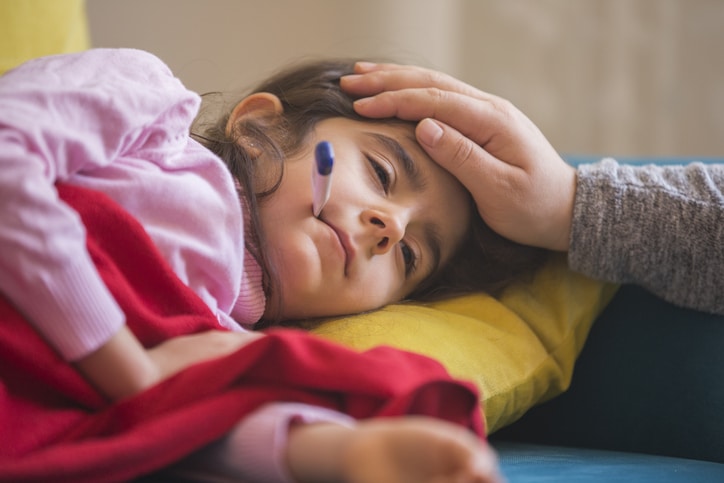
When your little one gets a fever, it can be a very upsetting experience and may leave you fearing the worse. However, in most cases, a fever is just a sign that your child’s developing immune system is doing its job. As a parent, it is your job to help them out by keeping them comfortable and knowing the signs that indicate that they might need some medical assistance.

There are some simple steps to follow when your child develops a fever, and most of them can be easily done at home without having to visit the doctor. So, read on to find out some useful tips to treat your child’s fever.

Tips for Treating Your Child’s Fever

What Is a Fever?

Before we introduce some of the tips, we think it is important to be clear about what fever is. A person develops a fever when their body is trying to fight off an infection. The body gets warmer to try and kill off unwanted germs. Unsurprisingly, babies and young children will develop more fevers because their immune systems are not fully developed yet.

Your little one can also get a fever after immunizations, and babies may develop a fever because they are wearing too many layers of clothing.

Note for Parents with Newborn Babies

You should never put too many layers on your baby, as this can cause them to overheat, which can lead to dehydration. Therefore, you should carefully monitor their temperature and the amount of clothes they wear, as they are unable to regulate their body temperature. If you suspect that your newborn has a fever, you should contact your doctor immediately.

What to Look For

If your child is generally healthy, then the fever can usually be treated at home. This is definitely the case if your kid is eating and playing as usual. Also, you should monitor their general behavior and activity levels. If they are still fairly active, then there should be no cause for concern. However, if they have a high fever and are not taking in a lot of fluids, then you should get them checked up.

How Can I Make My Child More Comfortable?

There are several things you can do at home to help out your little one. The primary objective is to get them as comfortable as possible, which may be tricky if they are achy and have a high temperature.

  1. Over-the-counter medicines, such as acetaminophen and ibuprofen, can help kids older than two years old. They help to reduce the symptoms of the fever.
  2. Make sure that your child has lots of fluid to avoid dehydration. Try to avoid drinks with caffeine, as this will not help at all. Water and electrolyte solutions can minimize the risks. Soup and ice pops are good ways to get some nutrients into their little bodies if they are not in the mood for solids.
  3. Light clothing and bedding is always a good idea when your child has a fever. The goal is to keep your child comfortable and also allow the heat to escape the body. Over-bundling or putting on too many layers can trap heat, which will lead to overheating and dehydration.

Lots of rest is essential so that the immune system can successfully fight off the infection. If your kid has a fever, they should be kept off school and avoid any strenuous activities.

A Quick Guide to Brain Growth in Kids

The brain is a fantastic thing! A child’s brain undergoes significant changes throughout childhood. In fact, within the first three years, their brain has reached almost 80 percent of its adult size.

Many things can have a positive or negative impact on how the brain grows, so it is a good idea to know how the brain develops in kids. In our latest post, we will take a closer look at the fascinating topic of brain growth in kids.

A Quick Guide to Brain Growth in Kids

A Period of Huge Growth

A child’s brain starts to grow during pregnancy, but it goes through a massive period of growth. By the time they are three years old, their brains will be about 80 percent of the size of an adult’s brain. By the time they are eight years old, their brain will have reached its full size.

There are many factors that can influence the healthy development of a child’s brain. We now take a closer look at some of these factors.

Get Off to the Right Start

Your child’s brain starts to develop during pregnancy. That is why it is vital that mothers maintain a healthy and balanced diet. Your child will respond to every little change in their environment, which is why you should minimize stress. If things are difficult at home, your baby will react to that, which can lead to problems with their mental health. On the other hand, if examples of positive relationships surround them, then they will have a much stronger foundation for healthy brain development.

The Parent’s Role

You can start helping your child’s brain during pregnancy by maintaining a balanced diet. You should avoid alcohol and smoking, as these can cause developmental problems and, potentially, depression.

It is also vital that you try to minimize stress during the pregnancy, as this can have a negative impact on your baby’s brain and general health.

Once your child is born, there a few simple steps you can take to ensure that their brain develops healthily:

Balanced diet: Try to include many different kinds of nutrients. Vitamin D, Omega-3 fatty acids, and protein are all great for healthy brain development.

Nurturing environment: Loads of hugs and try to avoid having arguments in front of your child.

Playtime: Playing games and having fun is crucial for the brain’s development, and it is how your child will learn to interact with the environment.

Social interaction: Spend lots of time with your baby and encourage other members of the family to help out.

Look after yourself: This starts from pregnancy and continues throughout your child’s early years. If you are healthy and active, this can only be a positive for your little one.

Well-Child Examinations: Make sure that you attend your regular newborn and well-child exams, as this will give you an excellent opportunity to discuss your child’s development with your doctor. They will be able to provide you with invaluable advice on nutrition and things you can do at home to help their overall growth and development.

Four Different Kinds of Eye Diseases in Children

Eyes are truly the window to the world, and this is especially true for children. As your baby starts to develop, they will use their eyes to help them take in all the new and fascinating stimuli all around them. When they begin to get older, they will use their eyes to learn all sorts of fantastic knowledge.

However, if your child has vision problems, then this can have a significant impact on their overall development. There are many kinds of eye diseases that can cause problems for kids. Today, we take a closer look at some common eye diseases in children.

Four Different Kinds of Eye Diseases in Children

Lazy Eye

Lazy eye is a very common eye problem that involves the vision in one eye not developing as well as in the other. This usually occurs because there is a “disconnect” between the brain and the eye. Unlike other kinds of eye problems, it may not be easy to tell that there is something wrong, and your child may not mention anything.

Lazy eye can cause poor performance at school as well as making the child seem clumsy. Regular eye exams will pick up any issues, so it is important that your child never misses their appointment.

Conjunctivitis

Conjunctivitis, or pink eye as it is commonly known, is caused by a bacterial or viral infection, as well as allergic reactions. Pink eye due to a bacterial or viral infection is highly contagious, and it is likely that your child will get it at some point in their life.

The infection will make the eyes itchy and sore, and your child will want to rub them constantly. If you notice that your child has pink eye, you should keep them out of school and have them use separate towels to avoid spreading the infection.

Glaucoma

Although this eye disease is rare, it is important that you are aware of the symptoms, as it can lead to blindness if left untreated. If there is a history of glaucoma in the family, you should make your pediatrician aware of this before the birth of your baby.

This condition occurs when there are drainage problems with the eye, which causes a build-up of pressure inside the eye. The pressure can put a strain on the optical nerve. Kids with glaucoma will be highly sensitive to light and may have enlarged eyes. Early detection is vital so that any damage is minimized.

Genetic Eye Disease

If there is a history of eye disease in your family, then there is a possibility that your child may inherit it. Research has shown that genetic factors can determine issues such as nearsightedness or farsightedness, lazy eye, and being cross-eyed.

If you or other members of your family have had eye issues, you should let your pediatrician know so that they can pay specific attention during newborn and child wellness exams. This is because early diagnosis and treatment can reduce other health risks and developmental issues.

A Quick Guide to Eating Disorders in Children

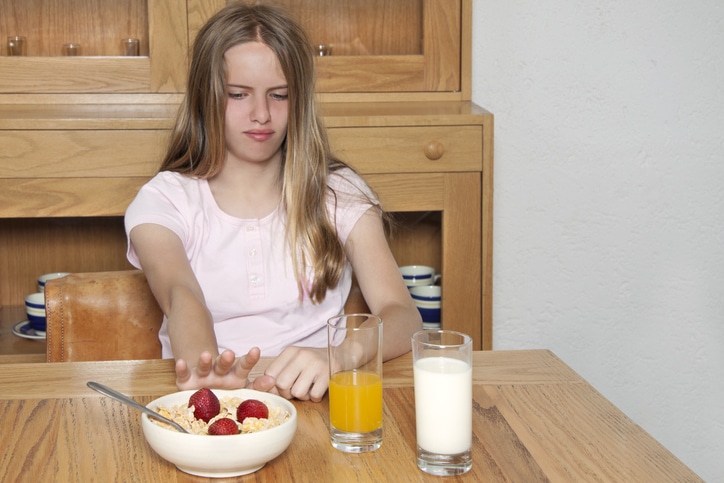
Eating disorders can affect people of all ages, even though many people only think they occur in adults and teenagers. As babies start eating solids, they will become very clear about what foods they like and which foods they don’t. This process is an entirely normal stage of development, but if you notice that your kids are avoiding eating altogether, then it may be worth talking to the doctor.

Early detection and treatment will help to minimize the risks to their long-term health and development. This short guide will introduce the tell-tale signs and what to do if you think your child has an eating disorder.

A Quick Guide to Eating Disorders in Children

What Is an Eating Disorder?

Fussiness at the dinner table is all part and parcel of a child’s development and usually nothing to worry about. However, if your child eats too much or too little, they may have an eating disorder. There are many different kinds of eating disorders, but they all have negative effects on a child’s overall mood, health, and relationships.

What Are the Different Kinds of Eating Disorders?

There are many kinds of eating disorders, which can affect children of any age. The most common types are:

  • Anorexia
  • Bulimia
  • Binge-eating
  • Avoidant/restrictive food intake disorder (ARFID)

These disorders present themselves in different ways, but they all have a negative effect on your child’s health and development—both in the short term and the long term. Typically, eating disorders lead to:

  • Low self-esteem
  • Anxiety
  • Depression
  • Negative thoughts such as wanting to hurt themselves
  • Being very sensitive

What Are the Differences between Eating Disorders?

Anorexia—People with anorexia will eat very little and will usually weigh very little. One of the tell-tale signs of anorexia is if the child is obsessed with their body weight and is scared of getting fat. They may even exercise excessively or take diet pills.

Bulimia—People with bulimia will usually binge-eat and have little or no control over how much they eat. After this, they will tend to feel guilty and then try and ‘purge’ themselves by making themselves sick or taking laxatives. Like people with anorexia, they will be obsessed with their weight and general appearance.

Binge-eating—People who binge-eat will usually have little or no control over how they eat, which can lead to them rapidly gaining weight. Binge-eating can lead to childhood obesity and other health problems.

ARFID—People with ARFID will usually avoid certain foods, but they don’t have the symptoms of other eating disorders. For example, some people may be scared that they will choke or be sick if they eat.

What are the Causes of Eating Disorders?

There are many factors which can lead to children developing eating disorders. These include:

  • Genetics
  • Poor body image
  • Dieting at a young age
  • Family members with eating disorders
  • Stressful situations at home or school
  • Mental health problems

What Should I Do If I Think My Child Has an Eating Disorder?

Remember that all kids will become fussy about food at some point, but they tend to grow out of it. If you have concerns, you should raise them with your pediatrician during your regular child wellness examinations, as children develop at different rates. Your doctor will check your child’s body mass and provide any necessary tips regarding their nutrition.

If your child is diagnosed with an eating disorder, your doctor will usually work alongside a nutritionist and a therapist to find the best approach to help your child.

Three Tips for Parenting Kids of All Ages

Being a parent is very rewarding but also very challenging. From the moment your child is born, you need to develop a sixth sense and grow eyes in the back of your head. Little things can make a huge difference, and many parents might not even be aware of the impact that individual actions can have on the mental and physical development of their child.

There is a lot of good advice out there, but it is essential to consider that every child has their own individual needs and characteristics. Therefore, it can sometimes be hard to know what advice to follow and what to discard. If you are expecting your first child, these child parenting tips will get you off to a good start from day one.

Three Tips for Parenting Kids of All Ages

You Are Being Watched

From the moment your little one is born, they will be paying close attention to your actions and behaviors. Babies are often described as sponges because they absorb every little thing that goes on around them. For example, if you spend a lot of time showing affectionate to them, and they also see open expressions of affection, this will have a positive effect on their interpersonal skills and mental development as they grow up.

The same is true of toddlers and young children, who will be super sensitive to your words. It is important to be careful what you say to them, especially if you are making comparisons between siblings. Aim for a balance of praise and constructive feedback if they do something wrong.

Be Consistent

Kids need boundaries and routines, as well as a discipline when they step out of line. It is crucial that you are as consistent as possible with this and that you act as a role model. If you are expecting your children to act a certain way, then you should certainly not to do the opposite in front of them. This will create confusion in the child and most likely lead to some form of rebellious or disruptive behavior, such as a temper tantrum.

As your kids get older, actively involve them in setting house rules, as this will help empower them. It will also help them understand that there are consequences for certain behaviors.

Never Forget Playtime

In the busy lives we lead, we often find ourselves complaining that we don’t have time to do anything. But one thing we should always remember as parents are to dedicate some time exclusively for our kids. Finding time to play with your kids or to read them a bedtime story will be much appreciated by your little ones. It also has the added benefit of helping to build up your child’s self-esteem and emotional development.

As you kids get older, try to provide a space for your kids where they will feel comfortable talking about their feelings and what is going on in their life. Your teenage children will appreciate having room to grow but will also value the security of having understanding parents when they need to chat.

Getting off to the Right Start: Nutrition for Kids

Not a day goes by without some mention of the best ways to ensure that your kids have a balanced, healthy diet. This subject has seen increased focus because of the increase in childhood obesity throughout the United States.

Unfortunately, busy modern life makes it hard to get it right all the time, and it is so easy to just rely on fast food and snacks. However, this doesn’t provide your kids with all the nutrients they need to grow and develop healthily. Therefore, we have put together some tips on nutrition for kids that will help you put a plan of action in place.

Getting off to the Right Start: Nutrition for Kids

Benefits of a Balanced Diet

A balanced diet has many benefits for a little one as they go through the different stages of their childhood. Making sure that they eat a variety of different nutrients will help to:

  • Build up their energy levels
  • Aid in their physical and mental development
  • Prevent the development of some chronic diseases

You can make life easier for yourself by adding lots of different foods at an early stage and making sure that your babies and toddlers see you eating the types of foods you are trying to introduce to them.

Be a Role Model

This is such an essential factor in helping to develop healthy eating habits in your kids. If they see you binging on potato chips and chocolates, they are going to think this is normal. And they will certainly let you know about their objections if you try to impose restrictions on them.

Therefore, you need to practice what you preach and eat a variety of foods around your little ones. If you eat lots of fruits and vegetables, they will think it’s perfectly normal and will follow suit. And if you need to have a chocolate fix, do it after the kids have gone to bed!

Breakfast Is the Most Important Meal of the Day

You should always make sure that your kids have breakfast before they leave for the day. Adding some form of protein will help them maintain their energy levels during the morning. Yogurt, eggs, and peanut butter are some examples of foods that kids usually like that will give them an excellent start to their day.

Create a Schedule

Mealtimes can be quite chaotic if you have a small army at home, but they are a vitally important part of your child’s daily routine. Having regular dinner times and insisting on eating together has many benefits—and not just on their eating habits.

Kids need routines, and this is a way to introduce new food groups. During dinner time, you can also monitor the kinds of foods your children like and make any adjustments to your meal plans as necessary.

Make Fruits and Vegetables Easy to Find

Kids love sweet and salty treats, but that doesn’t mean they have to go straight for the cookie jar! Fruits and vegetables should be introduced at an early age, as kids love experimenting with different colors and textures.

As your child gets older, you should try to encourage them to try different fruits. You can have a fruit bowl that is always full of some fresh, delicious fruits that your kids like. This isn’t to say that they can’t ever have doughnuts and cookies, but they should be seen as more of a treat than the norm.

A Quick Guide to Whooping Cough Causes and Treatments

Whooping cough is a bacterial infection which usually affects young infants and older kids. It is highly infectious and can cause a huge variety of symptoms that will make your little one miserable.

The great news is that there is a vaccination available that should be included in your baby’s immunization program. However, the immunity will eventually wear off, and older kids can be at risk, especially if they haven’t received a booster shot. In today’s post, we will take a quick look at whooping cough causes and treatments.

What Is Whooping Cough?

Whooping cough is a bacterial infection that affects the respiratory tract. Traditionally, this illness was only believed to affect young children, but it can actually affect adolescents and adults who have diminished immunity.

The bacteria (Bordetella pertussis) is spread when an infected person coughs or sneezes, which spays germ-filled droplets into the air. Anyone nearby can breathe in these droplets, and if they are not immunized, or if they have an impaired immune system, they are likely to get sick. Kids under the age of twelve months are particularly at risk, as they haven’t had all their shots. But, as already mentioned, older kids and adults can get the illness if they are exposed to the germs.

Symptoms

Initially, the symptoms of whooping cough will be very similar to a common cold. Over time, however, the symptoms will get more severe, and if left untreated can lead to some more serious complications.

A Quick Guide to Whooping Cough Causes and Treatments

Common symptoms include:

  • Cold symptoms that get progressively worse
  • Intense coughing fits, usually worse at night
  • Thick mucus
  • Possible vomiting after coughing
  • Making a “whooping” sound between coughing spells
  • Young babies may even stop breathing briefly
  • Children may turn blue if they are struggling to breath

Whooping cough tends to come in waves, but the symptoms usually get better after a couple of weeks. If you are worried, you should go and get your child checked out immediately. Also, if you suspect that your newborn child has whooping cough, seek immediate medical assistance, as it can lead to more severe conditions such as pneumonia, seizures, and brain damage.

Treatments

The best form of treatment is making sure that your child is up to date on their immunizations so that their immune system develops resistance to the Bordetella pertussis bacteria. Your pediatrician should inform you about the vaccine protocol before you give birth, and it is essential that you don’t miss any of the shots.

Typically, there will be five injections at regular intervals, and the short-term discomfort your child will feel after the injection will be worth the peace of mind of knowing that your child is protected against this nasty illness.

If you or your child gets infected, treatment will usually consist of a course of antibiotics and may require a stay in the hospital, especially for babies under six months of age. The best course of action is that if you suspect that your child has whooping cough, contact your pediatrician to get a prompt diagnosis.

A Quick Guide to Child Vision Problems

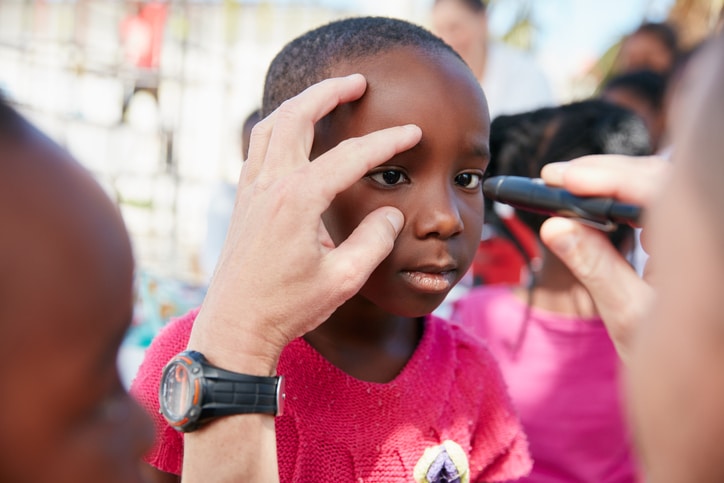
Healthy eyesight is essential to a child’s growth and development. In fact, your child should have their eyes regularly checked, starting from the moment they are born. If a problem is identified early, then the impact can be minimized and treated effectively.

There are many reasons why children have vision problems, resulting in a variety of different symptoms. So, in this post, we will take a closer look at child vision problems and discuss to look out for as a parent.

Risk Factors

Some children are more at risk for developing vision problems and should be carefully monitored at various stages of their development.

Children with a higher risk of developing vision problems include:

  • Premature babies
  • Children with a family history of vision problems
  • Children of maternal smokers
  • Children with developmental disorders such as autism or down syndrome

Things to Watch Out For

Regardless of the general health of your child, an early diagnosis will help to treat any conditions effectively. Vision problems can lead to developmental issues and further vision problems, as well as harming their learning.

A Quick Guide to Child Vision Problems

Therefore, there are some common signs to look out for as your child starts growing up. Some may just be symptoms of eye infections or allergies, but if you notice any of the following, it is well worth getting your kid checked out.

  • Light sensitivity
  • Poor focus
  • Constantly rubbing their eyes
  • Chronic redness of the eyes
  • Squinting
  • Poor spatial awareness
  • Poor reading skills
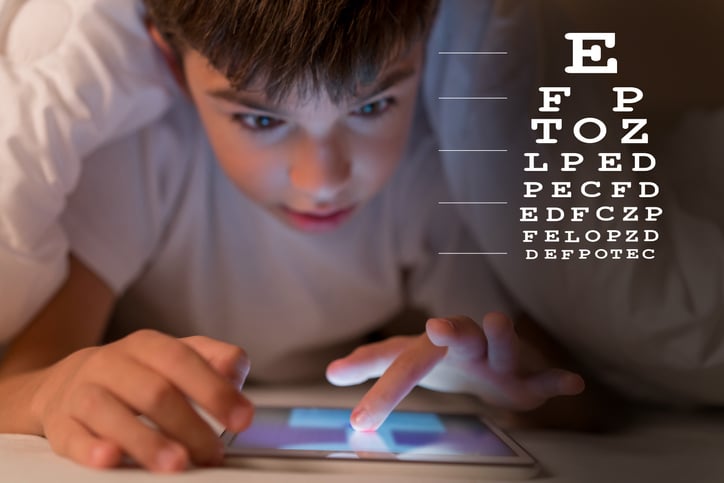
  • Holding objects really close to their face, such as books and tablets, or sitting close to the TV

Common Child Vision Problems

There are several vision problems that can affect children, and they can be easily identified during routine eye exams.

Refractive Errors – these issues can affect people of all ages but will affect everyone differently. These errors in vision mean that the eye doesn’t refract light correctly, which results in blurred vision. Kids can be nearsighted and farsighted, and both conditions can be treated by using glasses or contacts.

Lazy Eye – this issue involves one eye having poorer vision than the other and needs to be treated as early as possible to avoid irreversible vision damage. Kids who are crosseyed will usually be at risk from this condition.

Strabismus – this misalignment of the eyes involves the two eyes not working in tandem. One eye will look directly at an object, while the other one will turn inwards or outwards, which can lead to double vision. This condition is easily treated, but it needs to be caught early to avoid any permanent vision loss or developmental issues.

Regular Checkups

From the moment your child is born, they should receive regular eye checkups to make sure their eyes and vision are developing correctly. Eye checks will form part of newborn and child wellness exams and should never be missed.

If your child requires glasses, they will need regular checkups to make sure they have the proper glasses. Your eye doctor can also help your child with hand-eye coordination and ensure that they have the right tools to participate fully at school and in recreational activities.

Safety Tips During Holidays for Kids Young and Old

Holidays and vacations are excellent times for the family and are often some of the only times of the year when everyone gets to be together. And, let’s be honest, the adults may get more excited about the downtime than the kids. However, even though a holiday is meant to be a fun time and an opportunity to recharge your batteries, it doesn’t mean you can switch off completely.

Traveling to an unfamiliar country or state, or enjoying fun in the snow, can present all sorts of safety challenges. The good news is that if you follow some common sense practices, then everyone should come home with nothing but fun stories to tell. So please read on for our top five safety tips during holidays and vacations.

Sun Safety

It doesn’t matter what time of the year you plan to go on an adventure; you will always need to make sure that you have a ready supply of sunscreen for you and your little ones. Even in the winter, fun days playing in the snow can put your little one’s skin at risk from sunburn.

Therefore, if you know that the kids will be spending a lot of time outdoors, apply a layer of sunscreen before they go out and reapply during the day, especially if they have been swimming.

Keep Hydrated

Just like the application of sunscreen, you should also make sure that all members of the family remain well-hydrated. This is true whether you are in the mountains or at the beach. If it is too hot or too sunny, make sure you find some shade or head back to the room.

Safety Tips During Holidays for Kids Young and Old

Know the Local Area

Make sure you research the area you are going to before you head out. This will let you know if there are any hazards that should be avoided. For example, some coastal areas may have strong tides or be home to jellyfish, both of which are less than ideal for small kids.

Also, if you visit tropical areas, you should be aware of whether or not you need to take any extra precautions to avoid insect bites.

Be Prepared for Emergencies

Make sure you pack a first aid kit and have enough medicine for if you or your children suffer from any illnesses or allergies. In the case of allergies, it is a great idea to inform the staff of your accommodation so that they are aware and can help in the event of an emergency.

If you are going to a new area, it is always a good idea to pack some medicine to protect against upset stomachs, as you will probably be eating food that you are unfamiliar with.

Be Prepared for Kids Being Kids

We all know that kids like exploring, especially in new, exciting places. However, it is easy for kids to get lost if they are not familiar with their surroundings. Provide all the members of your family with your contact details, as well as the name and address of your hotel.

Organizing a meeting place and/or a clear plan of action may also be a good idea in case anyone gets lost. This will help everyone know what needs to be done should someone get lost.

Five Tips for How to Prevent Food Allergies in Kids

Much has been written about food allergies and whether it is possible to prevent them from occurring in kids. While the research still throws up conflicting reports, there are a few things that you can do to minimize the risks.

Food allergies in babies and kids are on the rise in the United States, and parents are naturally anxious about this. This is because food allergies can have a severe impact on a child’s life. Obviously, raising a little one can be very stressful. The last thing you need is to have to worry about special diets. Therefore, we have put together these five tips on how to prevent food allergies so everyone can relax a little bit.

Types of Food Allergies

Before we reveal our tips, it is a good idea to take a quick look at the most common allergens and the symptoms you should look out for when you start introducing new foods into your child’s diet.

The most common food allergens include:

  • Milk
  • Eggs
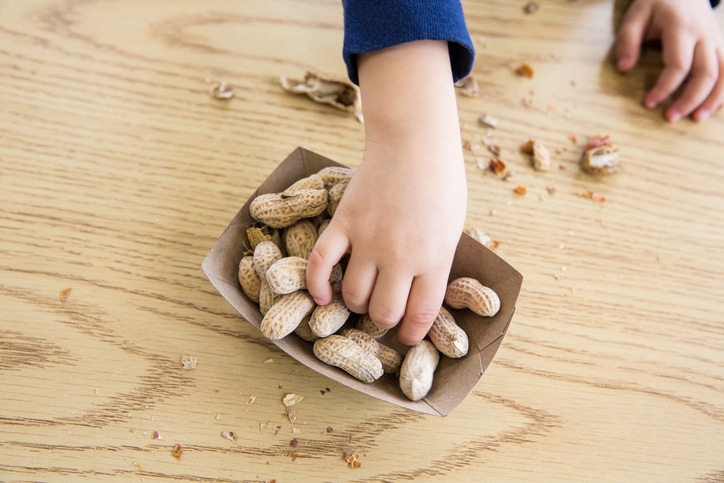
  • Peanuts
  • Soy
  • Wheat
  • Walnuts
  • Fish
  • Shellfish

It is possible that your little one may outgrow an initial allergy, or they may only have a mild intolerance. Either way, it is vital that you closely monitor their dietary intake and eliminate allergens from their diet if they consistently react negatively.

Five Tips for How to Prevent Food Allergies in Kids

Food allergies come with a variety of symptoms that will vary depending on the severity of the allergy. In general, if your child has an allergy, they will usually develop a rash immediately after eating. But this is just one of a whole host of symptoms such as:

  • Wheezing
  • Coughing
  • Stomach pain
  • Nausea and vomiting
  • Diarrhea
  • Itchy or watery eyes
  • Swelling

If you suspect that your child is allergic to a specific food, eliminate it from their diet and arrange for them to be tested. They may only have an intolerance to a particular allergen.

Methods of Prevention

Although there are no tried and true ways to prevent your child from developing a food allergy, there are a few things that you can do to reduce the risk of them developing symptoms.

1. Start Introducing Allergens While You Are Pregnant – If you do not have any existing allergies, then it is a good idea to continue eating the foods mentioned above while you are pregnant. Quite a bit of research has found that this can help to minimize the risk of developing allergies. Avoiding these foods can actually have a detrimental effect on your baby’s development, as you will be limiting the intake of these essential nutrients.

2. Breastfeed Breast milk has many health benefits for the baby, and one of these is that it helps to regulate and develop the immune system. This is particularly useful when you start to introduce allergens such as dairy products.

3. Introduce Different Allergens at Different Times – When you start introducing allergens, it is a good idea to introduce them at different times so it is easier to monitor which, if any, cause a reaction. The sooner you identify allergies, the higher the chance that your child will outgrow them.

4. Start When You Are Ready – Recent research has suggested that it might be a good idea to introduce things like peanuts and eggs earlier. It is usually a good idea to trust your instincts with this one, and if you’re unsure, talk it through with your pediatrician.

5. Minimize Packaged Foods – Naturally produced foods will always be better for your child than processed foods. A diet rich in fruits and vegetables will help your child develop a much healthier immune system and hopefully keep any allergies at bay.

A Quick Guide About Reasons for Vomiting in Newborn Babies

The first few weeks and months of your baby’s life are very exciting, but they are also full of worries as your newborn adapts to the world around her.  You are going to be acutely aware of every sudden change in their behavior or health and will often convince yourself that it is something serious.

One of the things you can expect a lot in the first few months is quite a bit of vomit, as your baby clears out their stomach and gets used to milk. It can be a little scary, but it in many cases it is all part and parcel of the growing up process. Some babies will be sicklier than others, but in general, there are usually several reasons for vomiting in newborn babies.

First Few Days

You can expect your baby to vomit at least a few times a day during the first couple of days. This is because they will be clearing out mucous and amniotic fluid from their stomach. Their digestive system will also be trying to adapt to the new changes. The length of the adjustment varies from baby to baby.

First Few Months

As your baby’s digestive system continues to develop, and they are taking on larger quantities of milk, there is likely to be some vomiting after feeding time. This is perfectly normal and no real cause for concern. It is sometimes caused by reflux, but in the majority of cases, it is just down to your child’s digestive system not being fully developed.

A Quick Guide About Reasons for Vomiting in Newborn Babies

It is important that you burp your child to help them remove any air pockets or excess gas with any excess gas after feeding. They may bring up a small amount of milk when they burp, but they usually grow out of this.

Common Reasons for Vomiting

You can’t rush the feed, so expect to see it again if you do. If your baby gulps down the milk too quickly, then more air pockets will get into their stomach. The cumulative effect of this air will cause large pockets to form in your child’s stomach, which inevitably leads to quite forceful eruptions.

As your baby gets older, you will start introducing new foods, which can also take a bit of getting used to. Sometimes we might get ahead of ourselves and add foods that their little stomachs are just not ready for. If you notice that they are struggling to digest certain foods, but there no other symptoms try pureeing the food or chopping it into smaller, easier to digest pieces.

Times When You May Have to Call the Pediatrician

Generally, if the vomiting is accompanied by any other symptoms, it may be worth further investigation. Vomiting accompanied by diarrhea is usually a sign of gastroenteritis, while vomiting with an itchy rash may indicate food intolerance. These conditions can be easily managed and shouldn’t be a significant cause of concern.

On the other hand, any vomiting which continues for over 12 hours and is accompanied by symptoms such as dehydration, fever, swollen stomach, and irritability means that you should seek prompt medical attention.

A Quick Guide on Anxiety Disorders Which Affect Kids

Growing up can be a very stressful time as children learn how to interact with many new stimuli and environments. In many situations, this will result in temper tantrums or behavior which leaves your child clinging to you. This is all part and parcel of growing up, and your kids will usually recover quickly as they start to make sense of the world around them.

However, if you find that your child struggles in certain situations or doesn’t respond to your comforting after facing a challenging situation, then this could indicate that they are suffering from an anxiety disorder. Anxiety disorders can cause a great deal of disruption to you and your child’s life, so make sure you talk with your pediatrician if you have any concerns.

Symptoms

Anxiety may present itself in different ways but here is a list of some common symptoms which may indicate your child is suffering from an anxiety disorder:

  • trouble concentrating
  • quick to anger
  • out of control temper tantrums
  • not eating properly
  • regular tummy aches and complaints about feeling unwell
  • always worrying and displaying negative thoughts
  • feeling tense and unable to sit still for any length of time
  • always crying and being clingy

A Quick Guide on Anxiety Disorders Which Affect Kids

Causes

Anxiety disorders can be something kids are born with or that they pick up from the environment around them. Sometimes the anxiety comes as a result of a traumatic event in their life such as bullying, different forms of abuse, and instability at home – regular moves, parents fighting or separations.

When you take your child to see the pediatrician, they will ask you how things are at home as it allows them to get a better picture of whether external factors are at play. This, in turn, will help them decide whether they need to investigate the child’s symptoms further and what treatment may be required.

Different Kinds of Anxiety Disorders

Generalized Anxiety Disorder (GAD) – Kids who suffer from GAD will worry about all kinds of everyday things such as homework, food, and birthday parties. GAD can impact all areas of a child’s life and make it difficult for them to relax and have fun. Also, it can create problems with eating and sleeping.

Separation Anxiety – This usually causes problems for younger kids, and most kids will display mild symptoms at some point such as when they first go to school.  However, if these issues persist and you find it hard to get your child to sleep alone or to stay at school for prolonged periods, then you may need help.

Social Anxiety – Kids can be shy as they gain a sense of their ‘self,’ but if you find that they are having trouble interacting with other kids, it may because they are anxious about these interactions. Socially troubled kids will find being center of attention unbearable, finding it hard to answer questions in class or work in groups.

How to Help a Child with an Anxiety Disorder

You should mention any concerns you have regarding your child’s behavior when you meet with your pediatrician. Your child may just be suffering from growing pains or having some issues that they are unable to articulate. If your pediatrician feels that they have an anxiety disorder, then the treatment will depend on their age and the particular type of anxiety.

There is a wide range of treatments such as Cognitive Behavioral Therapy (CBT), counseling and anxiety medicines. In all cases, the treatment will be designed to help your child manage their symptoms as soon as possible.