Ways to Improve Your Child’s Digestive Health

Food is the primary source of energy for humans, and a balanced diet helps humans get all the nutrients that they require. But it is the digestive system that ensures that these minerals get to the right place.

Research has highlighted that good digestive health can positively impact all areas of a child’s health. It helps to sustain the immune system, aid growth, provide energy to muscles, and promote good mental health. In today’s post, we will take a look at the importance of your child’s digestive health and things you can do at home to support it.

Ways to Improve Your Child’s Digestive Health

What is the Digestive System?

The digestive system starts working the moment food enters the mouth. As food passes through the body, the various parts begin processing the food to access the nutrients the body needs. Once the food has been broken down, waste will enter the intestines and proceed downward.

The digestive system is highly complex and involves numerous organs working together. The digestive system consists of:

  • Mouth
  • Salivary glands
  • Esophagus
  • Liver
  • Stomach
  • Gall Bladder
  • Large Intestine
  • Small Intestine
  • Rectum
  • Anus

A fully functioning digestive system can help the emotional and physical development of a child. However, when problems occur, it can have a significant impact on their lives, with research linking poor digestive health to obesity, diabetes, and mental health disorders.

We will now take a closer look at some of the things parents can do to promote good digestive health in kids.

Make a Positive Impact from Day One

Breastfeeding can really help to support the digestive health of your newborn, as breastmilk passes on lots of healthy bacteria.

As your child gets a little older, you should act as a positive role model by modeling how tasty fruits and vegetables are. You can play around with different colors and textures of foods on their plates as well.

A Balanced Diet Makes a Happy Gut

Making sure that your child has a balanced diet ensures that they get all the nutrients they require. Try to introduce lots of different fruits and vegetables at an early age, as they contain high levels of fiber and other gut-friendly nutrients.

Other foods that are good for the gut include yogurt, whole grains, beans, nuts, peas, and low-fat cheeses. Also, make sure that your child is always well-hydrated, as this really helps digestion. Lots of water, fresh juice, and tea are good, while processed fruit juices and sodas should be avoided.

Be Careful with Antibiotics

If your child gets a severe bacterial infection, they may have to take a course of antibiotics. Unfortunately, antibiotics can wipe out healthy bacteria, so you should either give them a probiotic or add additional fermented or plant-based foods to their diets.

Avoid Processed Foods

Kids love sweet and salty treats, but they can wreak havoc on their gut. When a child has too much sugar, this can affect the balance of bacteria in the gut and may lead to an overgrowth of harmful bacteria, which can lead to stomach problems.

Lots of Exercises

Playing sports or doing any form of exercise is excellent for digestive health, as it helps to get the food moving down the gastrointestinal tract. It is also a great way to regulate weight, burn extra energy, and promote a good mood.

The Importance of a Balanced Diet for Kids

“You are what you eat” may sound like a cliché, but it is particularly true for kids. From the moment they are born, kids go through a massive amount of changes, and their diets can have an enormous impact.

Nutrition plays a vital role in all aspects of a child’s development. However, as many parents know, getting little ones to eat their greens can be a challenging experience. Read on to discover some of the benefits of healthy eating and how to provide a balanced diet for kids.

The Importance of a Balanced Diet for Kids

Benefits of a Balanced Diet

Making sure that a child gets all their necessary nutrients is an important parental role. It helps the physical and mental development of a child. If a child is deficient in some vitamins and minerals, this can lead to a variety of health problems.

A balanced diet can help reduce the risks of developing chronic health conditions—such as type 2 diabetes—and weight issues such as obesity. Eating healthy food can also help the body fight off germs, promote a good mood, and prevent mental health conditions.

What Is a Balanced Diet?

Kids need to get a good mix of necessary nutrients throughout the day. Generally, a balanced diet consists of starchy carbohydrates, fruits and vegetables, protein, and dairy foods.

What Should I Feed My Kids?

Parents should give their kids three balanced meals a day, as well as some small snacks to get them through the day.

A protein-rich breakfast is a great idea to give them some energy to get through the early part of the day. Try to get into a habit for lunch and dinner times, and always have some healthy snacks on hand if your child gets peckish before mealtime.

Try to put a mixture of different food groups on their plates at each mealtime and try to mix things up as regularly as possible. Some great healthy and nutrient-rich foods include:

  • Proteins: seafood, lean meat, poultry, eggs, beans, soy products, nuts, and seeds
  • Fruits: fresh and frozen fruit are excellent sources of numerous nutrients—however, try and avoid fruit juices as they are often loaded in sugar
  • Vegetables: aim for a variety of different styles and colors throughout the week
  • Grains: whole grains are high in fiber and are a great source of energy (whole wheat, oatmeal, unsweetened popcorn, and brown rice are some of the versatile options available)
    Dairy: aim for low-fat or fat-free options as sources of calcium (yogurt, milk, and cheese are all easy to introduce into kids’ diets)

Try to avoid processed foods, as these include lots of preservatives, additives, and added sugar.

Tips To Get Fussy Eaters to Love Their Greens!

Parents should start introducing different food groups as soon as a child is old enough. If you get a child into good habits early, it can save you hassle later. When the child is younger, you can take advantage of their curiosity by adding different colors and textures to their plates.

Make nutrition a fun learning experience by getting your kids involved when shopping and preparing food. They can also provide input on what foods on the daily family menu. It is okay for your kids to have the occasional chocolate bar or bag of potato chips, but this should be considered a treat.

Whatever steps you take to get your kids interested in healthy eating, you must be a positive role model. If they see you having a sneaky chocolate bar, they will want to do the same!

What a Pain! Symptoms and Treatment of Tonsillitis in Kids

The tonsils are part of the body’s immune system, made up of two lumps of tissue at the back of the throat. These two lumps sit on either side of the throat and trap bacteria and viruses that are breathed in. This function helps young children build up immunity and fight off infections.

Unfortunately, sometimes these troublesome germs can attack the tonsils and cause an infection called tonsillitis. Read on to learn more about the symptoms & treatment of tonsillitis in kids.

Symptoms and Treatment of Tonsillitis in Kids

What is Tonsillitis?

Tonsillitis usually occurs because of a bacterial or viral infection. The tonsils are designed to keep these germs out of the body, but they sometimes get overrun. When this happens, the tonsils will swell, which can be quite painful.

It can affect people of all ages, but it is much more common in young children. It is highly contagious and is spread through coughing, sneezing, touching, kissing, or sharing food. As younger kids are fond of sharing germs, daycare centers and kindergartens are areas where tonsillitis can be quickly spread.

You can usually tell if a child has inflamed tonsils as they will be visibly bigger than usual and may have yellow or white patches on them. Other symptoms of tonsillitis include:

  • Sore throat
  • Difficulty or pain when swallowing
  • Swollen lymph glands in the neck
  • Fever
  • Chills
  • Earache
  • Headache
  • Cough

How Is Tonsillitis Treated?

The first thing the doctor will do is to try and determine the source of the infection. They will usually take a swab from the tonsils or do a blood test. It is important to check because if tonsillitis is due to a viral infection, then antibiotics will not be an effective treatment.

Treatment for tonsillitis aims to reduce the inflammation and discomfort of the symptoms. Acetaminophen or NSAIDs, such as ibuprofen, can help to reduce the swelling, fever, and headache. Please speak to your doctor or pharmacists before giving your kids this type of medicine, as some types might not be suitable for your child. In the case of a bacterial infection, your doctor will prescribe a course of antibiotics.

Can I Help My Child Feel Better?

There are lots of things that you can do at home to reduce the pain. Your child may not want to eat or drink due to the pain, but it is essential that the child stays hydrated and keeps eating. Liquids and soft foods will be much easier to swallow. Popsicles, soups, sweetened teas, ice cream, or smoothies are all excellent options.

Older kids can use throat lozenges and do salt water gargles. You could even add some honey to the tea to help soothe their sore throats.

In all cases, they should be kept off school and spend time resting. Also, make sure that they regularly wash their hands and use their own towels, cutlery, and crockery while they have symptoms to avoid spreading the infection to other members of the family.

What Causes High & Low Blood Glucose Levels in Kids?

Kids have a lot of energy. That’s no big secret to parents. And glucose, or sugar, is the body’s primary source of energy. Kids need glucose for their bodies and brains to function correctly. But too much, or not enough, can lead to health problems. So, it’s essential to know the causes of high and low blood glucose.

Insulin is a hormone that regulates glucose levels. It allows the body to use sugar from carbohydrates for energy or store it for later. When the body has too much glucose in the blood, it’s known as hyperglycemia. When it has too little, it’s called hypoglycemia.

For kids with diabetes, their bodies don’t produce insulin, or their insulin doesn’t work the way it’s supposed to. This leads to high or low levels of blood glucose and needs to be adjusted and monitored with the help of your pediatrician.

What Causes High & Low Blood Glucose Levels in Kids?

Most kids, however, produce the right amount of insulin to regulate their blood glucose levels. But their levels will inevitably spike and drop, so it’s important to know why and be able to recognize the symptoms.

Causes of High Blood Glucose

A spike in blood glucose can happen for many reasons in children. As kids grow and their bodies change, the amount of insulin needed in their system changes as well. Here are some of the most common causes of high blood glucose to be aware of:

  • Overeating – If a child eats too much, that extra food is converted into excess glucose in the bloodstream.
  • Not eating the right food – A balanced diet is vital to good health. Eating a bunch of sweets and candy can spike glucose levels.
  • Illness – Fighting an illness, like the flu, can disrupt the body’s production of insulin.
  • Exercise – Not getting enough exercise can contribute to high glucose levels.
  • Insulin – Taking the right amount is essential for kids with diabetes.
  • Medication – Some medications can cause swings in blood sugar levels.

Symptoms of High Blood Glucose

When children have hyperglycemia, their bodies and brains are reacting to an overload of sugar. Common symptoms to look for include:

  • Frequent urination
  • Increased thirst or dry mouth
  • Feeling tired
  • Nausea
  • Headache
  • Blurred vision
  • Fruity smelling breath

Causes of Low Blood Glucose

A low blood glucose level left untreated can lead to serious health issues, like seizures and loss of consciousness. Here are the leading causes:

  • Not eating enough – Kid’s bodies need fuel from food to function properly. Under-eating can lead to drops in blood glucose.
  • Low carbohydrate intake – Kids need to eat enough carbs, so their bodies have the necessary sugar and energy.
  • Illness – An illness can cause loss of appetite and vomiting, leading to under-eating.
  • Extra exercise – More physical activity than usual without also eating more food can drop blood glucose levels.
  • Insulin – Similar to hyperglycemia, taking the proper amount of insulin is crucial for those with diabetes.

Symptoms of Low Blood Glucose

Here’s what to look for:

  • Increased sweating
  • Hunger
  • Headaches
  • Shakiness
  • Dizziness
  • Weakness
  • Difficulty concentrating
  • Fatigue
  • Pale skin
  • Irritability

The only accurate way to know if your kids have high or low blood glucose is to get them checked by a doctor.

A Quick Guide to Arthritis Causes and Symptoms in Kids

Arthritis is a condition that most people associate with older people. However, it can also affect kids of all ages. There are many different kinds of arthritis, but juvenile idiopathic arthritis (JIA) is the most common in kids.

The CDC has reported that around 1 in 1,000 kids will be diagnosed with JIA. The condition can affect kids in many different ways, so any issues must be quickly identified and treated. Today, we will have a closer look at Arthritis causes & symptoms in kids.

Arthritis Causes and Symptoms in Kids

What is JIA?

Arthritis is a painful condition that causes chronic joint pain and stiffness. It can also cause swelling in the affected area. It can affect all the major joints, such as knee, wrist, hips, ankles, and shoulders.

In some cases, the symptoms will come and go again without any long-term issues. However, some cases of JIA can lead to severe complications without can have a massive impact on the child’s life.

Typically, if the pain and stiffness last for around six weeks, then there is a possibility that the child has some arthritis. The good news is that JIA is treatable, and for many kids, the condition will not affect their ability to lead a full and active life.

What Are the Symptoms?

The symptoms of JIA may affect one joint or many different areas of the body. In all cases, the child will suffer from one or more of these symptoms:

  • Joint pain
  • Swelling
  • Joint Stiffness
  • Fever, rash, and swollen lymph nodes

Many of these symptoms may occur if the child plays a lot of sports, leads an active life, or spends a lot of time immobile. However, if there has been no prior history of injuries, trips, and falls, and the pain stays for longer than a week, it is worth getting the child checked out.

Quick diagnosis and the start of treatment can significantly reduce complications from occurring. If the condition is left untreated, it may harm eye health and the overall physical development of the child.

Causes

JIA is an autoimmune disease that attacks the tissues in the affected joints. At this stage, there is no definitive answer to what causes JIA to occur. Some kinds of arthritis may be caused by genetics, but there is limited evidence as to how this happens.

Treatments

If your doctor suspects that your child has JIA, they will arrange for some blood tests and scans to confirm the diagnosis. From there, they will create a treatment plan that will help with pain management and improve the movement of the joint.

There is a selection of medicines available that can help to control the swelling and reduce the pain, while also reducing the chances of long-term damage. Physical therapy may be recommended for some children to help them improve the overall range of movement within the affected joint. They will also make recommendations on exercise, posture, and other areas that will enable the child to participate as fully as possible in everyday activities.

Common Signs & Symptoms of Anemia in Children

From the moment a baby is born, they go through changes on a daily basis. The first few years of a newborn’s life, and when they reach adolescence, are two periods where the body undergoes significant changes. It is quite common during these periods for kids to develop symptoms of anemia.

Anemia can affect people of all ages and happens when the body doesn’t produce enough red blood cells. There are many kinds of anemia. Some are caused by an insufficient amount of hemoglobin in the blood or deficiencies in minerals such as iron. Read on to discover the common signs and symptoms of anemia to look out for in children.

Common Signs & Symptoms of Anemia in Childrens

What Is Anemia?

Anemia is very common, affecting around 20 percent of kids in the USA. It is usually caused by a lack of red blood cells or hemoglobin, which means that not enough oxygen gets moved around the body. In some cases, the body may not be able to make enough, and some conditions may cause the level of red blood cells to decrease.

There are many different types of anemia with various causes:

  • Iron deficiency anemia is the most common type of anemia. Iron deficiency limits the body’s ability to create hemoglobin and red blood cells.
  • Megaloblastic anemia leads to abnormally large red blood cells due to a lack of folic acid or vitamin B-12 in the blood. These cells poorly absorb vitamin B-12, which is essential for the creation of healthy red blood cells.
  • Hemolytic anemia occurs when red blood cells are destroyed by infection or as a side effect of certain medicines.
  • Sickle cell anemia is an inherited condition that leads to abnormally shaped red blood cells.
  • Aplastic anemia is caused by a failure of the bone marrow to create blood cells.

Common Symptoms of Anemia

In some cases, your child may not display any symptoms at all. In fact, many cases of anemia only show up during routine health checks, so make sure that you attend regular child wellness exams.

There are usually a few telltale signs to look out for, and these include:

  • Pale skin, cheeks, and lips
  • Irritability or moody
  • Tiredness and lethargy
  • Rapid heartbeat or breathing
  • Dizziness and lightheadedness
  • Cold hands and feet
  • Jaundice (yellow skin and eyes, dark urine)
  • Cuts and wounds that take longer than normal to heal

Risk Factors

While anemia is very common among kids, there are some risk factors that increase the chances of a child developing symptoms. These include:

  • Premature birth
  • Poor diet with low levels of iron and other essential vitamins
  • Long-term illnesses or infections
  • Family history of sickle cell anemia

Treatment for Anemia

Treatment will depend on the type of anemia and the severity of the symptoms. In many cases, prevention is the best remedy, with diet and child wellness exams being great starting points.

Attend Child Wellness Exams – In many cases, anemia is detected during routine screening, and there may be no noticeable symptoms. As it is a common issue for kids, your doctor will closely look for any signs during child wellness exams. It is vital that you regularly attend these examinations, as they can give you lots of information about your child’s overall health and development.

Diet – Your child goes through a lot of changes during their childhood, so it is essential that they have a balanced and healthy diet to give them a helping hand. Many forms of anemia are often caused by iron or mineral deficiencies linked to poor diets. Try to add iron-rich foods to their daily diets from an early age. Choices like meat, fish, beans, oatmeal, and leafy green vegetables are all great sources of iron.

Other Treatments – If your child has an inherited condition such as sickle cell anemia, your doctor will recommend ways to ensure that your child can enjoy a full and active life. Some kids may need various medicines and dietary supplements. More severe cases may even require blood transfusions.

Everything You Need to Know About the Appendix in Teenagers

The appendix is a tiny pouch that is attached to the large intestine. Scientists are still not exactly sure what its function is, but they do know that if it gets infected, it can cause many painful problems.

You have probably heard of appendicitis, which is when the appendix gets inflamed. This condition can get very painful and requires prompt medical treatment. The last thing you want is for the appendix to burst, as this can lead to complications. That is why we have put together this short guide on everything you need to know about the appendix in teenagers.

Everything You Need to Know About the Appendix in Teenagers

Symptoms of Appendicitis

There are around 80,000 cases of appendicitis a year in kids and teenagers across the USA. While children can get appendicitis, it is more likely to occur in individuals between the ages of 10 and 19.

The first sign of appendicitis is tummy pain, which may be mild to start with. It will then get progressively get worse, resulting in severe pain on the right side of the abdomen. If your child is finding it painful to move or breathe, you should get them checked out immediately. Other symptoms to look out for include:

  • Nausea and vomiting
  • Gas pain
  • Swollen tummy
  • Diarrhea or constipation
  • Fever
  • Loss of appetite

Treatment

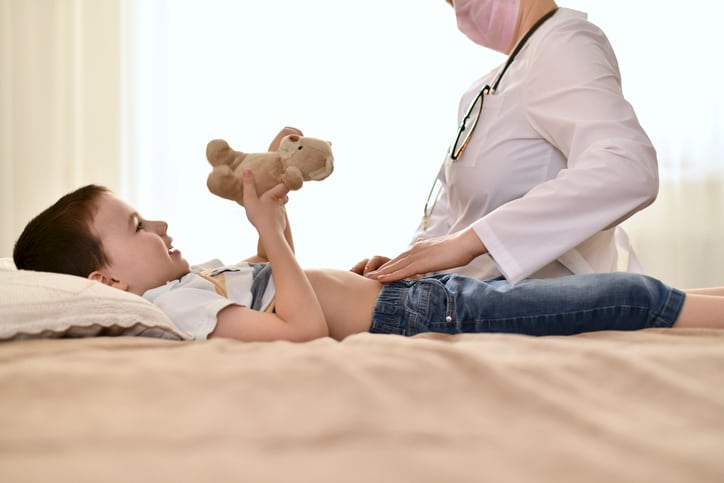
If you suspect that your child has appendicitis, then it is essential that you get them checked out as quickly as possible. Your pediatrician will perform a series of tests and decide on the best course of action based on the symptoms.

In the majority of cases, if a child has appendicitis, the appendix will be removed immediately to ensure that there are no further complications. It is perfectly safe for the appendix to be removed, and it should have no impact on the child’s digestive health moving forward.

What Causes Problems with the Appendix

In many cases, appendix problems run in the family. Not every child will get appendicitis, but if there is a family history of appendicitis, you should pay close attention to your child’s digestive health.

Appendicitis can also be caused by fungi, bacteria, or a virus, while kids with Crohn’s disease will be at increased risk of developing appendix problems.

Ways to Help at Home

While there is no way to avoid the onset of appendicitis, there are things you can do to reduce the risk. Making sure that you and your family have a balanced diet is a great place to start.

A high fiber diet is highly recommended, as this helps to develop a healthy digestive tract. Research suggests that appendicitis is lower in people who eat a lot of fresh fruits and vegetables. Bananas, carrots, broccoli, and potatoes are all great sources of fiber as well as other vital nutrients.

It is also helpful to ensure that your children remain active and drink lots of water, as this will help to keep things moving in the digestive system.

All You Need to Know about Hepatitis C Symptoms & Causes in Kids

Hepatitis C (HCV) is a disease that affects the liver. HCV can lead to liver damage, which can have a significant impact on a person’s quality of life. While it is rare for kids to get infected with this disease, parents need to be aware of the risk factors.

Adults tend to be more at risk of getting HCV, especially if they use recreational drugs. In this post, we will take a closer look at the Hepatitis C symptoms and causes.

Hepatitis C Symptoms and Its Causes in Kids

How Do Kids Get HCV?

People can become infected with HCV if they come into direct contact with blood or other bodily fluids of someone who already has HCV. There is a risk of transmission to newborns during pregnancy if the mother has HCV. However, it cannot be transmitted through breastfeeding.

In some cases, the disease can be spread by sharing household items such as toothbrushes or nail clippers. Another way that kids can get HCV is if they receive an HCV infected organ transplant or if they receive long-term kidney dialysis and the machine has traces of infected blood.

As mentioned above, adults are at a much higher risk of getting the HCV virus. Getting tattoos with unsterilized needles or sharing needles or nasal devices for taking drugs are two of the leading methods of transmission. It could also be spread through unprotected sexual contact or if you received an infected organ or blood transfusion when you were a child. Young adults are at risk if they experiment with drugs or have unprotected sex.

HCV doesn’t always result in symptoms, so it is crucial to get checked out if you feel you may have been exposed to the virus in the past.

Symptoms

For many people, HCV might not cause any symptoms, even though it is causing damage to the body. If you believe that your child is at risk of contracting HCV, it is essential to take them for regular health checks and to pay attention to their general health. Symptoms of an HCV infection include:

  • Fatigue
  • Loss of appetite
  • Jaundice (yellowing of the eyes and skin)
  • Darker colored urine
  • Belly pain
  • Aches and pains
  • Loose, gray-colored stools
  • Nausea and vomiting

Treatment

In some cases, the body will cure itself as the child grows up. The CDC has reported that up to 40 percent of newborns born with HCV were clear by the time they reached their second birthdays. However, if the virus is still present after the child’s second birthday, your doctor may recommend starting treatment.

Currently, the only treatment for children under twelve years old is interferon or ribavirin. These drugs are effective at eliminating the virus in the majority of cases. However, they do come with some potential side effects that can have an impact on a child’s daily life, such as depression and fatigue.

There are many new developments in drugs for HCV with better cure rates and fewer side effects, but they are currently unavailable for kids and are still quite expensive.

Diarrhea Symptoms and Causes in Kids

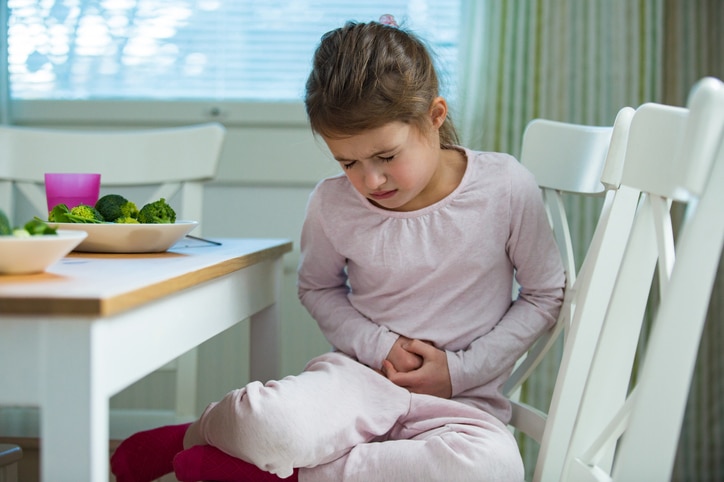
Kids of all ages will suffer from some form of stomach problem at some point. In the majority of cases, the symptoms usually die down within a few days.

Newborns tend to have sensitive digestive systems, so new foods and exposure to specific allergens might cause issues. Therefore, it is very common for babies and toddlers to have bouts of diarrhea. Today, we will talk about diarrhea symptoms and causes in kids.

Diarrhea Symptoms and Causes in Kids

What Causes Diarrhea?

Diarrhea is categorized by frequent loose or runny bowel movements, which is one of the body’s ways of getting rid of unwanted bugs. The leading causes of diarrhea include:

  • Viruses
  • Bacteria
  • Parasites

Other issues that can cause diarrhea in kids include:

  • High-sugar diet
  • Food allergies
  • Lactose intolerance
  • Problems with the digestive system
  • Side effects of certain medicines such as antibiotics

Toddlers often get diarrhea if they take in too much liquid or have an unbalanced diet. Try to limit the amount of manufactured fruit juices that they drink because they are high in sugar and carbohydrates, which they will struggle to absorb.

Also, diets that don’t have the right balance of fat and fiber can wreak havoc on children’s intestines. Therefore, try to make sure that they have a mixture of fruits, vegetables, and healthy fats such as lean chicken, avocado, beans, yogurt, and whole milk.

What Are the Symptoms?

The symptoms are characterized by many trips to the toilet or many full diapers throughout the day. This may be preceded by your little one complaining of an upset stomach. Other symptoms include:

  • Fever
  • Mucus in the stool
  • Bloating
  • Nausea

You should speak to your doctor if you notice any blood in your child’s stool or if their symptoms don’t start getting better after a few days. Also, if your child has frequent bouts of diarrhea after consuming dairy or other foods, make an appointment to see your doctor ASAP. They may have an intolerance, which will require modifications to their diet.

What Can I Do to Help My Child?

The most important thing is that they stay hydrated. When someone has diarrhea, they lose a lot of fluids due to their repeated trips to the toilet. Water and oral rehydration fluids should be given to the child as often as possible. If your baby has diarrhea, keep feeding them but reduce the quantity of each feed.

Avoid giving your child greasy or oily food, as this will upset their stomach even more. Also, don’t give your child any fizzy drinks or fruit juices. If your little one isn’t throwing up and is still asking for food, you shouldn’t make any significant changes to their eating routines if they are able to eat.

Remember that it is perfectly normal for kids to have bouts of diarrhea as they develop. As you introduce new foods, your child may have a minor reaction, so don’t panic. However, if you notice that your little one has frequent problems, then speak with your doctor during your next well-child exam.

A Parent’s Guide to Infant Vomiting

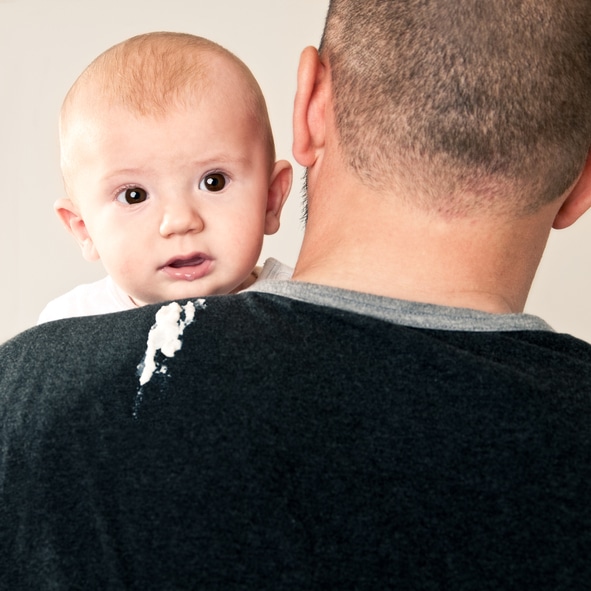
Infant vomiting is something that happens on a fairly regular basis in kids’ early years. There are numerous reasons for this, and most bouts usually last no longer than a couple of days.

Most of the time, it’s nothing to worry about and is just a part of their general development. But we are well aware that that won’t stop you from worrying about whether your child is sick or has an upset stomach. To give you some peace of mind, we have put together this quick guide to infant vomiting.

A Parent’s Guide to Infant Vomiting

Reasons for Infant Vomiting

Babies tend to have very sensitive stomachs, and a young body may vomit to get rid of some substances that it doesn’t like. However, there are a few things that you need to pay attention to, as they may indicate an underlying condition. If you notice any of the following, you will need to speak with your pediatrician:

  • Blood or bile in the vomit
  • Severe tummy pain
  • Swollen or enlarged abdomen
  • Repeated, forceful vomiting
  • Bloody stools
  • Dehydration and inability to drink fluids
  • Lethargy and listlessness
  • Excessive irritability
  • Severe headaches and stiff neck

The Main Culprits

As mentioned above, in the vast majority of cases, vomiting is more of a growing pain than anything serious. We will take a quick look at some of the main culprits below.

Gastroenteritis — The most common reason for infant vomiting is a tummy bug caused by an infection in the digestive tract. It can be caused by bacteria or a virus and can cause stomach pain, diarrhea, and vomiting. While it can leave your little one feeling miserable, it usually sorts itself out after a few days.

Food Intolerance — Your baby may start vomiting if they come into contact with food or drink that she is allergic to. This can happen if they eat or drink it directly, or—if you breastfeed—something that you have eaten. The reaction will usually happen quite quickly after eating and will be accompanied by other symptoms such as a rash, diarrhea, or swelling of the mouth, nose, and eyes.

Burping — Babies may bring up some of their stomach’s contents when you are burping them, so be prepared! This is pretty common in babies under the age of one; thus, the only thing you should worry about is making sure that you have a cloth in place when you are burping them after feeding. However, if this happens regularly or it is quite forceful, it might indicate some underlying condition that would require a checkup by your doctor.

What Should I Do if My Baby Is Vomiting?

If your baby isn’t displaying any of the symptoms above, just make sure they are well-hydrated. Keep an eye on their symptoms and try to feed as you normally would. They should start feeling better within a couple of days.

On the other hand, if your child is showing any other symptoms, such as excessive irritability or a high fever, then you should contact a medical professional immediately so they can get a checkup.

Kids’ Snoring Problems: A Guide for Parents

Snoring is one of those irritating things that people laugh about but generally tolerate. If you have a kid who snores, you will probably laugh about it and not pay a second thought to it. And, in many cases, you are right to do so. Sometimes, however, snoring can indicate an underlying problem that can harm your child’s development.

Today, we will take a closer look at some of the common causes of snoring in kids and when it would be a good idea to talk to your pediatrician about it. Getting on top of your kids’ snoring problems will make everyone in the house a lot happier—both in the short and long term.

Kids’ Snoring Problems

Why Do People Snore?

Snoring is something that everyone does at some point, although it is essential to note that it is more common in adults. People will start snoring if they are unable to freely move air through the mouth and nose during sleep.

Reasons for Snoring

There are many different reasons why people snore, but the most common culprits in kids are enlarged adenoids or tonsils.

Other conditions that can make your kids snore include:

  • A deviated septum
  • Seasonal allergies
  • Throat infections
  • Asthma
  • Sleep apnea
  • Blocked nasal passages due to a cold
  • Obesity

What to Look and Listen For

If you notice that your child snores regularly, you should monitor their general behavior and health. They might not be getting enough good-quality sleep, which, if left untreated, can have a massive impact on their behavior, performance at school, and general health.

If the snoring is due to cold or seasonal allergies, then it will usually go away as your child’s symptoms improve. However, if you or other family members notice that the child snores most evenings, then they may be suffering from sleep apnea. Keep an eye and an ear out for the following tell-tale signs that your little one might have obstructive sleep apnea:

  • Frequent noisy snoring
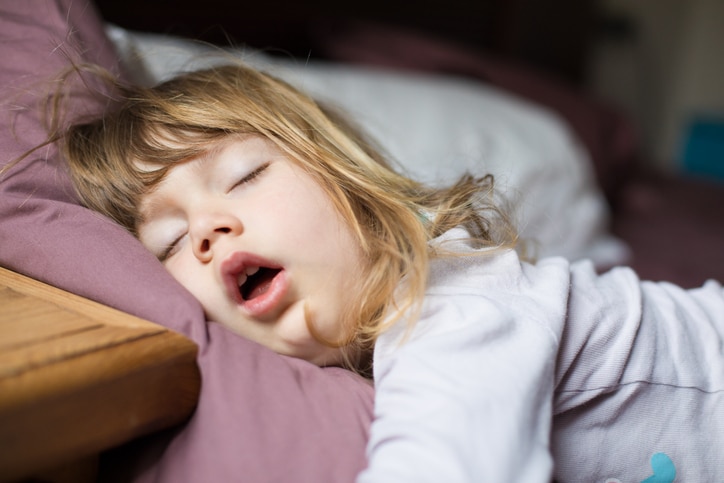
  • Sleeping with the mouth open and the chin or neck extended
  • Pausing breathing or gasping while sleeping

Poor-quality sleep, as seen in kids who suffer from sleep apnea, can lead to changes in behavior such as:

  • Hyperactivity
  • Irritability
  • Daydreaming or zoning out
  • Being sleepy or lethargic during the day
  • A decrease in performance at school

If you notice any of these changes, then you must speak to your doctor as soon as possible so that they can investigate further.

Treatment Options

Treatment will depend on the reasons for the snoring, but in all cases, the goal will be to restore high-quality sleep to your child. Your child’s doctor will recommend tonsil or adenoid removal if they are the problem. While the prospect of surgery may be worrying, the improvement post-op is usually swift.

If snoring is caused by weight issues, then your doctor will likely put your child on a diet plan. Removing or reducing the levels of allergens in your child’s room will help kids who suffer from seasonal allergies.

A Parent’s Guide on the Difference between ADHD and SPD

If your child continually fidgets, melts down, or has trouble concentrating, you may wonder if they have Attention Deficit Hyperactivity Disorder (ADHD). However, the reasons for these behaviors might be due to an over- or under-sensitivity to sights, sounds, smells, flavors, or textures, which is known as Sensory Processing Disorder (SPD).

It can sometimes be hard to tell whether a child is suffering from ADHD or SPD, as the symptoms can be similar. The treatment methods differ, however, so it is crucial that you get an accurate diagnosis. This article breaks down some of the key differences between ADHD and SPD.

A Parent’s Guide on the Difference between ADHD and SPD

Sensory Processing Disorder

As kids develop, they are surrounded by an almost infinite amount of new sights, sounds, smells, flavors, and textures. For most kids, this is a fascinating time, as they start to adapt and react to these new sensory inputs. However, for some kids, this can be an overwhelming or underwhelming experience.

The reason for this is that some children are unable to accurately process the sensory inputs, which causes them to respond in an “abnormal” way. Kids with SPD may have trouble focusing because they are being overwhelmed by different sensory inputs, which makes noisy or busy environments unbearable. As a result, they may act out or become aggressive as they try to cope with the situation.

On the other hand, if the child is under-sensitive, they may become obsessed with certain stimuli or always want to touch certain people or things. In some cases, they might be clumsy or loud and may often show a disregard for pain or for dangerous situations. It can be challenging for them to integrate at school, as they have trouble identifying personal space or playing too roughly.

Attention Deficit Hyperactivity Disorder

ADHD is a developmental disorder that may be caused by genetic factors or issues with brain function. In general, kids with ADHD will find it difficult to focus for long periods of time. The lack of focus will often mean that they have trouble organizing themselves and completing tasks. In some cases, they will avoid or forget to do tasks altogether, such as homework.

A kid with ADHD will often seem as if they are not paying attention or are daydreaming; they can easily become bored and restless, making a school environment very challenging for them. As a result, they will usually be given extra time for tests and will benefit from more structured environments.

Treatments

It is essential that you speak to your doctor to get an accurate diagnosis, as the treatments are different for these two conditions. ADHD is usually treated with a mixture of medication and behavioral therapy to manage the symptoms. However, medication is not often the first choice for SPD.

Occupational and behavioral therapy will be used to help the child cope better with challenging situations and manage their actions. Medication will only be used if the child is suffering from anxiety as a result of the disorder.

Parents Guide on How to Cure Pneumonia Naturally at Home

Pneumonia is a lung infection which can be caused by bacteria or a virus. Younger kids are more at risk as their immune systems have not fully developed. In most cases, pneumonia will usually happen after a kid has had a cold.

Even though your child may be uncomfortable, treatment is usually straightforward and can be done at home. In this post, we will take a look at how to cure pneumonia naturally at home.

How to Cure Pneumonia Naturally at Home

Symptoms

The symptoms are quite similar to the common cold and the flu, but they vary from child to child. Things to look out for include:

  • High fever
  • Breathing problems
  • Pain in the chest
  • Cough
  • Irritability

If you notice any of these symptoms, it is essential to get a check-up as soon as possible. Bacterial pneumonia will usually be treated with a course of antibiotics, but they won’t work for viral pneumonia.

Immunizations act as the frontline defense against certain kinds of infections, but most young children will still be at risk. If your child gets pneumonia, then these natural home treatments can help them get over the infection.

Hygiene As Prevention

One of the best ways to protect your kids against pneumonia is by promoting good hygiene habits at home. As germs usually cause the infection, kids should be encouraged to wash their hands regularly, avoid sharing cutlery and glasses, and use tissues to blow their noses. It is also a great idea to sanitize toys, door handles, and other surfaces on a regular basis.

Lots of Rest

Getting lots of bed rest is one of nature’s best methods to cure most illnesses. Keep your little ones off school and ensure that they get plenty of extra sleep. Try placing an extra pillow under older kids heads while they are resting, which can help with drainage and allow them to sleep better. The extra sleep will boost the immune system to fight off the infection.

Use Humidifiers

Keeping the air moist makes it easier for your child to breathe while also helping to soothe any irritation in the lungs.

Drink Lots of Fluids

It is important that kids of all ages remain hydrated during their recovery. Offer younger kids small sips of water throughout the day. The same goes for babies, continue to offer breastmilk or formula during the day.

Natural Remedies

Raw honey, lemon, and ginger have outstanding anti-inflammatory qualities and be turned into a refreshing warm drink for older kids.

Another thing you can do for kids of all ages is to use lukewarm compresses or giving them a bath in lukewarm water. Both of these methods will help to regulate your child’s temperature, making them feel a little more comfortable.

Next Steps

Once treatment has begun, you should notice an improvement within a few days. However, it is essential to monitor your child’s symptoms continuously. If they don’t start improving or get worse, then contact the doctor immediately.

How To Control Allergic Asthma in Kids This Fall

Fall is one of the most beautiful times of the year. However, for kids with allergies or allergic asthma, it can be miserable. There are many kinds of allergens flying around this time of the year, which can increase the risk of an allergic reaction or asthma attack.

There are many things you can do to help children with allergic asthma during this time of the year. In this guide, we will talk about what it is and how to control allergic asthma in kids.

How To Control Allergic Asthma in Kids This Fall

Causes Of Allergic Asthma

Allergic asthma is the most common kind of asthma, and symptoms are usually triggered by exposure to one or more of these substances:

  • Pollen
  • Dust mites
  • Pet dander
  • Air Pollution
  • Chemical Fumes
  • Perfumes
  • Tobacco Smoke
  • Certain foods such as milk, shellfish, and peanuts

Symptoms of Allergic Asthma

If your child is exposed to an allergen, they will develop some or all of these symptoms:

  • Shortness of breath
  • Wheezing
  • Coughing
  • Chest Tightness

Steps To Control Allergic Asthma In Kids

Controlling allergic asthma can be tricky as it is impossible to protect your kid against every kind of allergen. However, there are several steps that you can take to reduce the risks, so your child can have a full and active life.

Medical Treatments – If you think your child has allergic asthma, it is essential that you get your doctor to investigate. Depending on the severity of the symptoms, your doctor could prescribe a variety of medicines such as anti-allergy tablets, inhalers, or nasal sprays.

Minimize Exposure – Kids love playing outside, but this can increase the risk of exposure to specific allergens. To protect them, keep an eye on the air quality and keep them in when there are high levels of pollen in the air. You should also try and keep windows and doors closed and make sure they have a bath after they come back in.

Keep The House Clean – It is always a good idea to frequently wash your child’s pillows and covers. If they are allergic to dust, then you can buy special protective covers which will help to keep the levels of dust to a minimum. Also, make sure that you give toys and teddies a regular clean.

Remove Carpets and Rugs – Try to avoid using carpets and rugs in your kid’s bedrooms or altogether if possible. Carpets and rugs are good for accumulating collections of allergens such as dust and pet hairs which can set off your little one.

Wash The Dog – Most families love having a pet around the house, but unfortunately, they can cause problems for kids with allergic asthma. Therefore, you must regularly wash and brush your dog’s coat. This will help to reduce the spread of pet dander around the house.

Other Ideas – Vitamin D is excellent for reducing asthma symptoms, so try and top up your kid’s diet with milk, fish, and eggs. It also makes sense to talk to the doctor about the allergy and flu shots so that your kid’s immune system gets a boost during this tricky time of the year.

9 Newborn Baby Kit Essentials

When you are preparing for your new arrival, it can sometimes be a little overwhelming. You will be bombarded with ideas and suggestions about what things you need or should have.

While it always helps to be organized, you don’t need to go out and buy everything. Many people often go out and spend a lot of money on things they don’t really need. Do your research and speak with your trusted friends. These newborn baby kit ideas will help you identify the essentials which will make your life a little bit easier when the little one arrives.

Labor Kit

One of the most important things you can do is prepare a baby bag to take to the hospital with you. This is sometimes called a go-bag. You will need clothing, a few toiletries, a copy of your birth plan, hair ties, and anything else you’ll want to have at the hospital.

9 Newborn Baby Kit Essentials

Diapers

Diapers are one item that you will definitely need. Babies feed regularly throughout the day, and that means that they will poo and pee frequently. That means a lot of diaper changes, so definitely go out and get a supply of good quality diapers.

Changing Time Essentials

Wipes are great for cleaning your baby’s delicate skin in many different situations. For diaper changes, you should get a changing mat.

Feeding Kit

What you need depends on whether you decide to breastfeed or use formula. If you opt for breastfeeding, you will need a nursing bra, nursing cover, and breast pads. For formula, you will need bottles, teats, bottle brushes, and a sterilizing kit.

Cleaning Kit

Muslin Cloths and Bibs are essential items for your newborn baby kit. They help to clean your baby’s chin after feeding or winding.

Cot or Moses Basket

Babies sleep a lot, so they will need a comfortable place to get some much-needed shut-eye. Initially, they might not like the idea of sleeping alone, but it is better for everyone in the long run if you start getting them into a routine at an early stage.

Clothes

Dressing up a newborn is an area where parents, families, and friends tend to get very excited. Onesies are adorable and also very comfortable for your little one, especially around nap time. Other items that are worth having are vests, socks, scratch mitts, and a hat.

Car Seat

It is always a great idea to purchase and fit your baby’s car seat before they arrive. This will save you time and frustration after the delivery. Remember that there are specific car seats for newborns and that they should be rear-facing.

Stroller

In the first few weeks, you and your baby are probably going to want to relax as much as possible. But, once you start feeling stronger, it is really lovely to go for walks with your baby. Having a stroller will help you get out and about without it interrupting any sleep routines. And, if your baby is awake, they will be surrounded by all sorts of exciting new stimuli.