Bronchitis in Kids: Symptoms, Causes, Treatment

Have you noticed your little one has a dry, chesty cough that keeps them up all night? If so, your child may have bronchitis. Our latest blog will explore the different symptoms, causes, and treatments for bronchitis in kids.

Bronchitis happens when the large airways (bronchi) to the lungs get inflamed and produce excess mucus. It is typically caused by a virus entering the airways, but bacteria can also cause it. While the continual, chesty coughing can be a cause for concern for parents, the symptoms usually go away within a few weeks and are easily treated with homecare treatments of over-the-counter medicines in most cases.

What are the types of bronchitis?

Bronchitis can be acute or chronic.

Acute bronchitis typically lasts about three weeks and is often caused by a viral infection. The symptoms come on quickly and are usually mild. It is very common and usually happens after a cold or other respiratory illness.

Chronic bronchitis is rare in children; the symptoms last longer than four weeks.

Bronchitis in Kids

What are the symptoms of bronchitis?

Both acute and chronic bronchitis have similar symptoms and often start with an annoying, dry cough. Other symptoms include:

  • Coughing that brings up thick white, greenish, or yellow mucus
  • Wheezing
  • Feeling short of breath
  • Chest congestion or pain
  • Sore throat
  • Fever and chills

In the case of chronic bronchitis, the symptoms last for much longer and can lead to longer recovery times from common colds and other respiratory illnesses.

What causes bronchitis in kids?

Most children under the age of six develop bronchitis due to a viral infection, but it can also be caused by bacteria and reactions to dust, allergens, strong fumes, and tobacco smoke. Kids with chronic sinusitis, allergies, and asthma who are regularly exposed to secondhand smoke are more at risk of developing bronchitis.

How Is Bronchitis in Kids Diagnosed? 

If your pediatrician thinks your child has bronchitis, they will carry out a physical exam and listen to your child’s chest. This is usually enough to diagnose a case of acute bronchitis. However, your pediatrician may order a chest x-ray or do a breathing test to rule out pneumonia and check for asthma, especially if your child has shortness of breath and wheezing.

How Is Bronchitis Treated? 

Treatment will depend on the cause of bronchitis and the severity of your child’s symptoms. Viruses cause most cases of bronchitis in young children, so your pediatrician won’t prescribe antibiotics. Instead, they will recommend home care treatment, such as drinking plenty of fluids and getting lots of rest.

If your child has a fever or discomfort, they may prescribe pain medication. In older children, they may recommend taking cough medicine to relieve the cough symptoms.

Next Steps

Acute bronchitis in kids usually gets better in a few weeks. However, if your child’s symptoms are not improving, please contact us to arrange an appointment with one of our friendly pediatricians in Littleton.

The Power of Storytelling: Engaging Children’s Imaginations

Storytelling is as old as the human race. It’s so old, in fact, that it predates the invention of written language. Storytelling was the primary way our ancestors passed down cultural, historical, and ethical knowledge from generation to generation. The central role it played in early human culture testifies to its enduring importance and value.

Children today benefit greatly from listening to narratives that engage their imaginations. It’s not just a fun pastime – stories are uniquely beneficial to children in several critical ways. In this article, we’ll learn about the role of storytelling in cognitive development, its emotional and social benefits, and how it helps introduce kids to various cultures and understand moral lessons.

The Role of Storytelling in Cognitive Development

Storytelling plays a major role in kids’ cognitive development. So much so that its benefits are hard to completely quantify. From stimulating comprehension and critical thinking, to improving language skills and vocabulary, and, of course, fostering creativity and imaginative activity, storytelling should be an integral part of children’s lives.

One reason is that kids are naturally pushed to think creatively and problem-solve when they listen to stories. This process occurs because their inquisitive minds tend to inherently analyze stories and explore possible interpretations. Storytelling encourages kids to think beyond an obvious level of meaning and consider various possible outcomes and perspectives.

Children’s Imaginations

Imagine asking a child to put themselves in the shoes of a character who faces a dilemma. This exercise encourages them to think about what they would do in the same situation. Engaging with stories in this way helps kids improve their problem-solving and critical thinking skills. You can further push children by asking them what they would do and why, which helps encourage them to weigh the pros and cons of various actions.

It might be easier to see now how stories can help children develop their imagination and creativity. But there’s even more to this story, since when children listen to or read a story, they are transported to different worlds and scenarios. Their unrestrained imaginations can visualize characters, plots, and settings in their minds, all of which helps unlock and foster future creative potential.

For example, picture yourself telling a child a story about a dragon in a mythical realm. A child can not only picture what the dragon looks like, but imagine the landscape it inhabits, and follow its adventures in self-created mental movies in their minds. This inner imagery exercises kids’ creative faculties, allowing their imaginations to stretch and grow.

Emotional and Social Benefits of Storytelling

While admittedly significant, the positive effects of storytelling go beyond improvements in critical thinking and imaginative stimulation. Storytelling can help children better understand and manage their emotions – it can even teach empathy and perspective-taking. All of this can help facilitate socialization and lead to improved future relationship skills.

At first, this might be a little hard to fathom, but just think about how stories often depict characters who experience wide ranges of emotions – from joy and excitement to fear and sadness. By identifying with these characters, children learn to recognize and understand their own emotions. Picture a story about a child who feels nervous when going to their first day of school. Young listeners can identify and learn to communicate their own feelings of anxiety when they hear this story. What’s more is that stories often depict characters coping with their emotions, which gives kids models for managing their feelings in real life. A story that shows a person using deep breathing and counting to calm down could be used to model self-control.

As we mentioned, asking kids to step into the shoes of different characters can help them improve problem-solving and critical thinking skills. But there’s also more to this technique. It can also help children foster empathy, since it enables them to see the world from new angles and perspectives. By trying to understand a character’s thoughts, feelings, and motivations, kids can begin to better appreciate how diverse peoples’ experiences can be.

Picture telling children a story about a young boy who befriends someone from a different culture. This could help a young learner appreciate diversity, which also promotes empathy toward those who are different from them. You can even push kids’ abilities a little by asking questions about a character’s actions or feelings. Doing so encourages them to judge why the character behaved a certain way – an exercise which forces a child to take on another person’s perspective.

How Storytelling Deepens Cultural Awareness and Teaches Moral Lessons

Storytelling also has the great ability to further children’s cultural awareness and impart moral lessons. Cultural stories provide children with a glimpse into the lives, beliefs, and customs of people around the world. This kind of exposure helps kids think beyond their culture of origin and learn to appreciate other ways of life.

For instance, stories featuring characters from a range of backgrounds help children understand and respect cultural differences. It’s also important to note that many folktales contain insights into how societies evolved over time, all of which helps children realize the depth and naturalness of other social practices and values.

Also, it’s true that stories tend to come with built-in moral lessons that help kids think about questions of right and wrong. When children are asked to identify with the characters and their journeys, they not only engaging their critical faculties but also begin absorbing moral education.

Think about a famous fable like Aesop’s “The Tortoise and the Hare.” The moral of the story is that perseverance and steady effort tend to be more valuable than arrogance and haste. Another way to look at it is as a story promoting delayed gratification over impulsivity. Through these moral stories, children see the growth of characters who learn from their mistakes and experiences, which helps them conceptualize personal growth and ethical behavior in more concrete ways.

Exciting and Educational Activities for Kids in Littleton, CO

Keeping kids busy and engaged can be a difficult talk. Kids are natural learners and want to figure out how things work. So, how can you keep your kids entertained and excited while still helping them learn with a pediatrician in Littleton, CO? Here are a few activities to try in the area!

Roxborough State Park

Roxborough State Park has many different hiking trails, many of which are suitable for kids. The Visitor Center has great picnic tables for snacks or lunch before or after your hike. Some of the trains even allow for strollers or wagons in case kids get tired on a walk. Throughout the hikes, there are plenty of flowers, rocks, and other elements of nature for everyone to enjoy.

Exciting and Educational Activities for Kids

Littleton Museum

The Littleton Museum has indoor and outdoor exhibits, making it a great option regardless of the weather. The museum features many historical exhibits and even has animals the kids can observe. The living history farms featured at the Littleton Museum give kids a window into the past. The indoor exhibits have an art gallery, a history gallery, and a culture gallery. The museum also hosts different programs throughout the week that include activities like daily chores in the living history farm, handwriting, making butter, and making pies.

The Columbine Library

The Columbine Library is great for simple and free activities. They have daily story times in English and Spanish. They also host activities such as toddler time, family time, and baby time. The Columbine Library has fun activities for everyone in the family. It is an exciting and educational place for kids in the Littleton area.

Kids Dig

Kids Dig is the largest indoor sandbox in Colorado. There is a large play area where everyone can play. You also have the option to rent out private play areas that have picnic tables where you can enjoy lunch. In the sand, there is a huge variety of different toys the kids can play with, such as trucks, shovels, blocks, pales, pipes, and funnels.

Chatfield Farms

Denver Botanic Gardens Chatfield Farms is a working farm on a 700-acre native plant refuge. You can bring the kids, take a leisurely stroll, and look at all the flowers and plant life. Kids can also look at the butterflies and learn about the different fruits, vegetables, and flowers being grown at Chatfield Farms. The children’s play area features a pond and a treehouse that kids can climb.

Establishing Healthy Sleep Habits for Children: Expert Advice

The kids wish they could play a little bit more before bedtime or stay up watching TV for another 30 minutes. Play is an important part of childhood, and limited screen time isn’t necessarily bad. But when these sorts of behaviors interrupt bedtime, they can negatively affect children’s sleep routines, which comes with unfortunate side effects—including difficulty learning throughout the school day.

The good news is that there are several simple things you can do to help your child establish healthy sleep habits that promote their physical and mental well-being. This post looks at a few key things you can do to help your child get great, restorative rest.

How Many Hours of Sleep Does Your Child Need?

First things first: It’s important to understand how much sleep your child needs. This differs depending on the age and the individual, but here are some reasonable, science-based guidelines to follow:

  • Infants usually require 12 to 16 hours of sleep (including naps)
  • Toddlers should be getting 11 to 14 hours of sleep (including naps)
  • Preschoolers need a good 10 to 13 hours of sleep (including naps)
  • Grade schoolers (ages 6 to 12) should have between 9 and 12 hours of sleep
  • Teens require 8 to 10 hours of sleep

Healthy-Sleep-Habits

Put Away Screens Before Bed

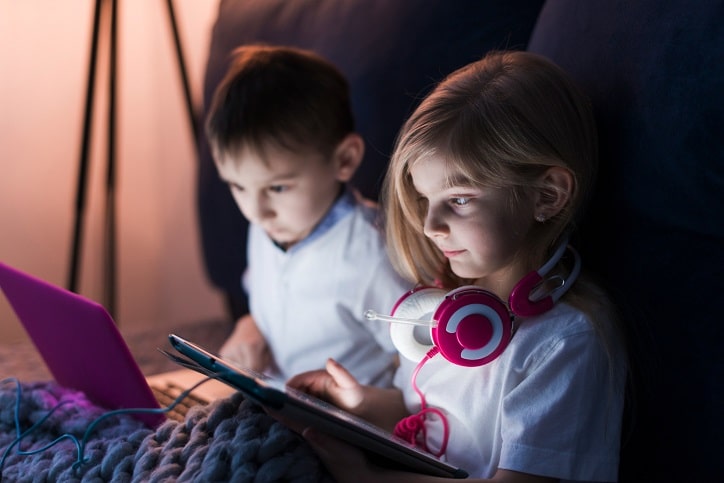
We all know that TV can disrupt our sleep if we watch shows right before getting into bed. And lying in bed scrolling on a phone or tablet can keep us up way too late. This is because screens expose our brains to blue light, which makes us think it’s daytime!

Help your kid out by establishing family rules about screen time. A good guideline is to turn off electronics at least one hour before bed. Don’t put a TV in your young child’s room, as they’ll be tempted to use it too frequently, and make sure older kids follow your curfew with their phones and computers.

Create a Sleep-Friendly Bedroom Environment

Busy, cluttered environments also keep our minds running. Get kids into the habit of picking up clothes and toys as they prepare for bed. This will help them avoid feeling overwhelmed when they lie down at night.

You can take it a step further by adding a calming ambiance to their bedroom. Consider introducing a salt lamp, lavender diffuser, or soft nightlight into their room. You can also provide them with a very soft blanket and some stuffed animals for extra coziness.

Don’t Let Kids Go to Bed Hungry (or Too Full)

Being too hungry or too full can also make sound sleep more difficult. If a kid must eat before bedtime, offer a light snack or a bit of cereal. Big meals shouldn’t be eaten within an hour of sleeping.

Be aware that kids sometimes use stalling tactics to put off going to bed. A common method is expressing hunger in order to stay up a few more minutes before hitting the hay. One easy way to deal with this is to ask them if they’re hungry before they begin their bedtime routine.

Encouraging Good Sleep

By establishing simple rules, you can encourage your kid to develop healthy sleep habits that follow them into adulthood. If you’re interested in more advice for improving your child’s sleep and bedtime routine, contact us today to book a consultation with one of our board-certified pediatricians in Littleton.

Strategies for Limiting Screen Time for Children

In the modern world, we use technology to do virtually everything, from ordering a coffee to conducting our daily work. Access to the digital world opens up many exciting opportunities for kids to learn and have fun. However, the amount of time kids spend on phones and tablets and playing video games has increased in recent years, leaving parents wondering how they can limit screen time and get their kids out into the real world. In this post, we will explore different strategies for limiting screen time for children.

Screen Time: Pros and Cons

While our connected world makes it easier to learn new things, find new ways to play, and connect with friends, increased screen time is also linked to many health and developmental problems for kids.

Kids spend anywhere from 4 to 9 hours a day on screens, a figure that has increased since the COVID-19 pandemic, when entire populations were forced to stay indoors. Too much screen time can lead to sleep, weight, and mood problems, and many kids are spending more time indoors, not exercising or reading books. Tech-savvy kids can also be exposed to inappropriate content that can impact their behavior.

Limiting Screen Time for Children

Here are some tips for limiting screen time in children.

Set Limits

The easiest way to limit screen time is to set time limits. Limit TV or YouTube to 30 minutes a day or 1 hour split into smaller increments at specific times of the day. The timing can be adjusted for different days, such as when your child is at school.

Be a Positive Role Model from an Early Age

From birth, your children will watch what you do and the objects you use. If they see you glued to a smartphone or constantly watching TV, this will become the norm for them, and they’ll start wanting to do the same.

It is important to set boundaries and rules for your children when they are young and act as a positive role model in this area. As they grow up, you could involve your children in determining the family rules you must follow.

The guidelines you set can be rules for where, when, what, and how people use digital devices and the consequences for not following those rules. One example is making bedrooms “no-screen zones.” That includes TVs, phones, tablets, computers, and handheld gaming consoles.

Have Screen-Free Days

Digital detoxes are a great way to get away from screens and do other activities. On those days, you can agree to do different activities as a family, such as playing games, playing sports, reading, listening to music, or having family chats.

You can also add screen-free times during daily routines, such as no devices during meals or before bedtime.

Make Screen Time Interactive

This are fun ways to get everyone moving while using technology. You could play games based on what you have seen on TV, play “what happens next,” or do exercises during commercials. Your kids could also talk about what they have seen or do some writing/artwork about it.

It will take some trial and error to figure out the best strategy for your family, which can be challenging, especially with older kids. The best course of action is to set boundaries when they are as young as possible and act as a positive role model so that kids are naturally drawn to alternatives and hobbies that don’t involve spending hours online.

If you would like more advice on this, book an appointment with one of our friendly pediatric teams in Littleton.

Ensuring Outdoor Safety for Kids: Essential Tips

The kids will want to spend more time outside as winter turns into spring. Sports, games, and picnics are all great fun for small and big kids alike, and being outside is good for their physical and mental health.

However, kids sometimes like to test their boundaries and strength and may overlook certain aspects of their environment. The good news is that there are simple things you can do to educate your children and keep them safe. This post explores some essential tips for ensuring kids’ outdoor safety.

Keep Them Supervised

The easiest way to ensure outdoor safety for kids is to keep a close eye on them as they use play equipment or run around the yard or playground. This is especially true with younger children who might not be aware of potential hazards or could wander off after something that catches their attention.

If you need to pop inside for a minute or two, take your little one with you. In addition to ensuring their safety, this will give them an opportunity to get out of the sun, grab a drink of water, get a snack, or reapply sunscreen.

Outdoor Safety for Kids

Be Careful of the Sun

Speaking of sunscreen, kids are at increased risk of sunburn during the summer months, so make sure that they regularly apply sunscreen, drink water, and wear suitable clothing, including glasses and hats. Limit the time they spend outside during the hours when the sun is at its strongest (between 11 a.m. and 3 p.m.). If you go out for a picnic, set your table in a shaded area to offer extra protection while they rest.

Educate Your Child about Potential Dangers

Kids are often so focused on conquering trees and playing games that they forget about potential dangers. If they are playing near a road, educate them about the risks of passing vehicles and the importance of road safety if they go after a ball that has gone over the fence.

Setting boundaries is important from as young an age as possible.

Identify Any Risks around the House

When your family emerges from its winter hibernation, you’ll want to check the play equipment, decking, and other surfaces to make sure that there are no loose screws, bolts, or anything that could hurt the kids. Also, identify any potentially dangerous climbing risks that may tempt young adventurers.

If you are installing any new play equipment, ensure that you follow the safety instructions and that it is securely installed so it doesn’t tip over or create potential hazards such as tripping or slipping for the kids when they start using it.

Make Sure Your Pool is Safe

Drowning is a top cause of death among young children. Whether you have a full-size swimming pool or an inflatable kiddie pool during the summer, you need to ensure that your kids are supervised and have protective measures in place.

If you have a swimming pool, putting a safety fence with a locked gate around it can keep curious little ones out. Also, make sure you empty kiddie pools after use.

Don’t Let the Bugs Bite

During the summer months, bugs come out to play, and they love to say hi! You can prevent bug bites and stings by avoiding bright-colored clothing and scented soaps. Bright-colored clothing attracts bees and wasps, which may sting little ones if they get scared when the bee comes close.

Ticks and mosquitos can also be nuisances and can carry potential illnesses such as Lyme disease. Wearing dark clothing, long-sleeved shirts, and pants can minimize the risk of bites, as can using child-friendly insect repellant.

Enjoy the Outdoors Safely

With supervision and planning, the great outdoors offers infinite opportunities for fun, learning, and exercise. If you would like advice on how to best protect your children in the great outdoors, contact us today to book an appointment with one of our board-certified pediatricians.

Cytomegalovirus (CMV) Infection: Symptoms, Causes, and Diagnosis

Cytomegalovirus (CMV) is a common virus that can affect people of all ages. It is part of the herpes group of viruses, and a CMV infection usually has mild symptoms. 

While the CMV virus stays in your body for a lifetime, it is rarely severe in healthy kids and adults. However, if the mother gets the virus while pregnant or a baby is born with a weak immune system, the virus can cause health problems. Read on to learn more about the symptoms, causes, and diagnosis of the cytomegalovirus (CMV) infection. 

What causes CMV in children?  

CMV is a very common infection in the United States and can be quickly passed on to babies during pregnancy or birth. If a mother gets the virus during pregnancy, it can be passed on to the fetus through the placenta. It can also be passed on during the delivery if the mother has an active infection.  

Other ways that the CMV virus can spread is by contact with bodily fluids such as saliva, blood, pee, poo, semen, tears, and breast milk. It can easily spread around the home and at daycare centers.  

Cytomegalovirus Treatment in Littleton

What are the symptoms of CMV in children? 

Babies born with CMV are unlikely to have any symptoms at birth. However, when symptoms do appear, they can range from mild to severe. Symptoms of CMV include: 

  • Premature birth
  • Low birth weight
  • Enlarged liver and spleen
  • Jaundice 
  • Rashes
  • Born with a small head
  • Have feeding problems 
  • Hearing problems

CMV infections that happen in infants and older children may cause the following symptoms: 

  • Fever
  • Tiredness
  • Pneumonia
  • Headache
  • Body aches

If your child is otherwise healthy, the symptoms will likely be mild and pass in a few days. However, if your child has any issues with their immune system or has had an organ transplant, CMV can cause health complications and will require treatment.  

How is CMV diagnosed? 

Your doctor will perform tests to check for CMV infection, taking samples from blood, urine, the person’s throat, or other body parts. The tests will look to discover the presence of the virus or any antibodies that are part of the immune system response to the CMV infection. 

How is CMV treated? 

The treatment depends on the severity of the symptoms, your child’s age, and their general health. Children with very mild symptoms or no other health conditions will probably not require medical treatment. However, if your baby is born with CMV or has a weakened immune system, your doctor may prescribe antiviral medications. 

Prevention of CMV 

Many of us have CMV without knowing it, so prevention is always the best cure. Make sure you and other members of your household wash hands regularly. This is especially important after you have changed diapers or wiped the noses of your toddlers. Regularly cleaning toys and shared workspaces helps to prevent the virus from spreading around the house or daycare center.  

Be sure not to share food utensils and bottles, as the virus can be passed on through saliva. Practice safe sex as well, especially when pregnant, as the virus can be passed on via semen and vaginal fluids.  

When should I call my doctor? 

CMV is a widespread virus in the US that won’t always present symptoms. However, if you contract the virus during pregnancy, it is essential to speak with your doctor so they can offer treatment and monitor your health and your baby’s health. Babies born with CMV will need regular health checkups to ensure that they get treatment for any eye or ear problems. 

Contact Focus On Kids Pediatrics today if you notice any of the symptoms of CMV.

What is Developmental Delay in Children?

From the moment your child is born, they start moving towards developmental milestones as they learn new skills and how to do things independently. These milestones can range from learning to hold objects to emotional development. There are many guidelines regarding when you can expect your child to reach certain milestones. That said, no two children are the same; each child develops at their own rate. 

Sometimes, a child may experience difficulties or develop slowly in certain areas. This can happen at any stage of childhood, and early diagnosis and treatment ensure that they get the support they need. In this post, we will explore developmental delays in children and how to support your child best if they have it.  

What is a developmental delay in children? 

A developmental delay is when your child is slower to reach one or more developmental milestones than their peers. As your child starts growing physically, they will also develop cognitive, motor, emotional, speech, and social skills.  

Your child will reach milestones in how they play, learn, speak, act, and move throughout their childhood. Some developmental milestones include: 

  • Smiling
  • Rolling over
  • Crawling
  • Standing up
  • Saying their first words
  • Taking their first steps

It is important to remember that all kids develop at different rates, so a child not speaking or crawling when others her age are doesn’t necessarily mean that there’s anything to worry about. However, if you notice that your child is continually behind in developing one or more skills by a certain age, then your child may have a developmental delay.  

Developmental Delay in Children

Types of developmental delays 

Different types of developmental delays can impact children at various ages, such as: 

Cognitive skills: How your child learns, thinks, and understands information. If there are any delays in this category, they could experience challenges following directions, solving problems, or remembering information.

Social and emotional skills: These include understanding social cues, expressing feelings, and the ability to communicate needs. Any delays in this area can cause issues when it comes to developing relationships and dealing with change.

Speech and language skills: These skills help kids use and understand language. Delays in this area can make it difficult for children to say words or make sense of what other people are saying. 

Fine and gross motor skills: This involves using muscles and limbs to move and interact with the environment. Minor motor skills include holding a toy or using a crayon, while gross motor skills involve more significant movements such as jumping, climbing stairs, or throwing a ball. Delays in these areas can be a cause of frustration for the child.  

What causes developmental delays in children? 

Numerous factors impact whether a child has a developmental delay. These include: 

  • Being born prematurely or having low birth weight
  • Infections or complications during pregnancy
  • Genetic conditions such as Down syndrome
  • Malnutrition 
  • Physical abuse or neglect 
  • Exposure to toxins such as lead
  • Alcohol or tobacco usage during pregnancy
  • Health conditions such as chronic ear infections.

Developmental delays can also be a symptom of other conditions, such as autism spectrum disorder (ASD), cerebral palsy, and fetal alcohol spectrum disorders. However, in some cases, there may not be any apparent cause, or it might just be that your child develops more slowly than other kids and will catch up later in life. In all cases, if you have any concerns, book an appointment with your doctor for a checkup.  

How are developmental delays treated?  

The first thing to do is contact your doctor to arrange a checkup and a developmental screening, where your healthcare specialist will ask questions about your child’s development and any challenges they are facing. If any issues are identified, your experienced pediatrician will conduct further tests or refer your child to a developmental specialist.  

The good news is that many developmental delays will often resolve by themselves or get better with early intervention. Depending on the type of developmental delay, your child may benefit from: 

  • Physical therapy to help develop gross motor skills
  • Occupational therapy to develop fine motor skills and sensory processing
  • Speech and language therapy to help with communication
  • Behavioral therapy to develop social and emotional skills

Call us today if you are worried about your child’s development or wish to talk with one of our friendly board-certified pediatricians. 

Respiratory Syncytial Virus (RSV) in Children

Respiratory syncytial virus (RSV) is very common and causes symptoms such as trouble breathing. It is very infectious, and almost all kids get infected with it by the time they are two years old. Babies born prematurely or with existing heart, lung, or immune system problems are more at risk of developing severe symptoms. 

Read on to learn more about the symptoms, causes, and treatment of the respiratory syncytial virus (RSV) in children. 

What are the symptoms of RSV in children? 

The symptoms of RSV are very similar to the common cold, and in many cases, you may not even know that your child has RSV. The symptoms usually last anywhere from one week to three weeks and include: 

  • Runny nose
  • Fever
  • Cough 
  • Sneezing 

In kids younger than three years old, the virus can get into the lungs, causing respiratory issues such as: 

  • A cough that gets worse
  • Wheezing
  • Difficulty breathing
  • Trouble feeding and drinking 

Babies younger than six months old may not display any cold-like symptoms. However, if you notice that they seem irritable, have no interest in playing, and have changes in their breathing, they may have RSV. 

If you notice your child having any issues with their breathing, is showing signs of dehydration, or their symptoms are getting worse, contact your doctor for treatment because RSV can sometimes cause more severe conditions such as pneumonia or bronchiolitis.  

Respiratory Syncytial Virus Treatment in Littleton

What causes RSV in children?  

RSV is highly infectious, and it quickly spreads when you come in contact with someone who has the virus. When an infected person coughs or sneezes, they send droplets containing the virus into the air, which you can breathe in. It may also get onto toys, doorknobs, surfaces, and clothes, quickly spreading around schools and daycare centers.  

The virus is usually more active between fall and spring. 

How can I protect my child from RSV?

It can be challenging to prevent your child from getting RSV, especially if they spend time around other children at daycare centers, kindergarten, or school. However, there are some things that you can do to reduce the risk. 

The first thing you can do is get your child vaccinated against RSV. This is available for babies up to 8 months old. It is highly recommended that all babies at risk of severe RSV get regular shots of palivizumab during RSV season. Your doctor may offer you an RSV vaccine while you are pregnant if you are due to give birth during RSV season. 

Regular handwashing, avoiding taking your baby into crowded areas during the RSV season, and cleaning commonly touched surfaces in the home all reduce the risk of your child getting an RSV infection.  

Breastfeeding helps to reduce the risk of severe RSV infection in babies. 

How is RSV treated? 

Most cases of RSV cause mild symptoms, and there is no specific medical treatment. Providing children with plenty of fluids and rest will help their bodies fight off the infection.  

If they have a fever, you can use acetaminophen or ibuprofen for kids older than six months old. Your doctor or pharmacist can advise you on the best medicine for your child based on age.   

Next steps 

Home treatment will help many kids recover from the virus in no time. However, some children with RSV will require medical treatment, especially if they are at risk from severe RSV or the virus causes pneumonia.  

If you need any advice or help, contact us today to speak to one of our friendly board-certified pediatricians in Littleton.

Pink Eye (Conjunctivitis) – Symptoms, Causes, and Treatment for Children

Pink eye (conjunctivitis) is a common condition that can affect the eyes of everyone from babies to pensioners. It is more common in young kids, as it is usually infectious and quickly spreads around preschools and playgrounds.  

This post will explore what pink eye is and the symptoms, causes, and treatments available for kids.  

What is pink eye? 

Pink eye is a viral or bacterial infection that affects the covering of the eyeball and the inside of the eyelid. Conjunctivitis is more commonly known as pink eye because the infection makes the eyeball and surrounding area pink or red. It is more common in young children up to the age of five, but newborns, older kids, teenagers, and adults can all get pink eye occasionally.  

Pink Eye Treatment in Littleton

What are the symptoms of pink eye?  

Conjunctivitis usually looks a lot worse than it is. The main symptom is conjunctiva, the white part of the eye turning pink or red. This may be accompanied by: 

  • Eye irritation and itchiness, causing your child to rub their eyes constantly 
  • Lots of tearing in the eyes
  • Swelling and puffy eyelids 
  • Yellow-green discharge from the eyes when your child sleeps
  • Sensitivity to bright lights

The symptoms of pink eye often develop quite quickly after infection and can last anywhere from two days to three weeks.  

What causes pink eye in children? 

A viral or bacterial infection usually causes conjunctivitis, but in rare cases, newborns may develop pink eye when their eyes become irritated by eye drops given to prevent bacterial infections.  

Sometimes, a newborn can get pink eye because of bacteria that cause sexually transmitted infections. If the mother has a sexually transmitted infection (STI) such as chlamydia or gonorrhea, this can be passed on to the baby during a vaginal birth causing pink eye. In many cases, the pregnant woman might not even know they are infected, so getting screened is the best way to protect yourself and your baby.  

In young children, pink eye is often caused by contact with bacteria, viruses, or allergens. When bacteria or a virus causes pink eye, it can be easily spread around the preschool or school. 

Coughing, sneezing, or touching objects after rubbing one’s eyes can spread pink eye. If your child touches any surfaces or towels that a child with pink eye has touched, there is a high likelihood that your child will also get the infection. 

If your child has any of the symptoms of pink eye, they should stay home until there is no more discharge in the eyes. They should also avoid sharing towels, tissues, and pillowcases with anyone else.  

Ensure that they and everyone in the house regularly wash their hands to prevent anyone else from getting infected.  

How is pink eye treated in children?  

In mild cases of pink eye, with no white, yellow, or green discharge, the disease is likely caused by a viral infection. You can treat this at home by gently cleaning the eye area with cotton balls soaked in warm water or by applying warm compresses. Eye drops can also be used to provide relief. 

In the case of a bacterial infection, your doctor will prescribe some antibacterial eye drops or ointment. Antihistamines will help with allergies that cause pink eye.  

Once treatment starts, the symptoms usually clear up quickly. 

When to call your doctor 

If you notice that symptoms are worsening or not responding to treatment, book an appointment with your doctor for a check-up. If you are worried about pink eye or allergic conjunctivitis or you want some advice, contact Focus On Kids Pediatrics today to book an appointment with one of our board-certified pediatricians. 

Immune System Disorders in Kids

The immune system is the body’s defense against bacteria, viruses, pollen, and other invaders that can cause infections. When your child’s body comes into contact with potentially dangerous invaders, their immune system’s special cells, tissues, and organs work together to fight against them and protect them from infection and serious illnesses. 

However, there are times when the immune system doesn’t work the way it should, causing it to react ineffectively to infections or overreact and attack healthy cells. In this blog, we will explore immune system disorders and autoimmune diseases that kids can suffer from. 

What Are Immune System Disorders?  

Immune system disorders occur when your child’s immune system doesn’t work correctly. Some of the main immune system disorders include:  

  • Primary immune disorders – Children are born missing parts of the immune system or with an immune system that doesn’t work correctly, putting them at risk of germs. If you notice that your child has recurring infections, delayed growth, or digestive problems, then an immune system disorder may be the reason.  
  • Temporary acquired immune deficiencies – Certain infections (flu, measles, mono) or treatment (chemo for cancer) can temporarily weaken your child’s immune system, making them more susceptible to infections.  
  • Severe combined immunodeficiency (SCID) – This serious but rare inherited condition sees children born with a range of primary immune disorders, putting them at a high risk of infection from bacteria, viruses, and fungi. 
  • Acquired immunodeficiency syndrome (AIDS) – This is a severe condition that is caused by the human immunodeficiency virus (HIV). The virus destroys white blood cells, one of the most important defense mechanisms of the body, making it hard for the body to protect itself from infections.

Immune System Disorder Treatment in Littleton

What Happens if the Immune System Is Overactive?

Sometimes, your child’s immune system may overreact to normally harmless substances in the environment. This often leads to allergies to things such as certain foods, dust, mold, pet dander, and pollen.  

In some cases, the immune system may overreact in a way that causes issues such as: 

  • Asthma: This affects your child’s lungs and can be triggered by allergies, smoke, pollution, or even exercise. Asthma leads to breathing problems such as breathlessness, wheezing, and coughing and often requires treatment to minimize the impact of the symptoms. 
  • Eczema: A common condition in kids that leads to their skin becoming itchy, dry, cracked, and sore. Some kids may have triggers, such as certain foods and allergies, but the cause of eczema is unclear. 

Autoimmune Disorders

The immune system can sometimes attack healthy cells, leading to autoimmune diseases. There is often no known cause for why it happens, but research suggests it is down to a combination of genes and the environment the child is in. These conditions are often chronic but can be managed successfully with treatment. 

The most common types of autoimmune disorders in kids include:

  • Type 1 diabetes: rare in young children but happens when the pancreas doesn’t produce enough insulin 
  • Rheumatoid arthritis: a painful condition that causes frequent joint pain, swelling, inflammation, and stiffness
  • Lupus: a condition that leads to severe joint pain, fever, and disc-shaped rashes

Treating Immune System Disorders 

The treatment will depend on the severity of the condition and your child’s range of symptoms. The aim is always to help strengthen the immune system to fight off infections. When a specific allergen causes the disorders, there will be a particular treatment regimen. For example, with celiac disease, your child will need to have a diet that doesn’t include wheat or gluten.  

If you are worried about your child’s health or need support managing their immune system disorder, book an appointment today to speak with one of our friendly pediatricians in Littleton.

Top 5 Safety Tips for Wearing a Baby Carrier

Babies love being close, and they also love exploring when you go out and about. This can sometimes present a challenge if you need both hands free as you do your daily activities. Baby carriers offer the perfect solution, as well as many other benefits for you and your baby. 

Here are some safety tips for wearing a baby carrier to ensure that your little one enjoys a comfortable and safe journey while your hands are free to do whatever you need to get done!

Before You Walk About 

Not all baby carriers are created equal, and it makes sense to do your research before buying one. This helps you find the best option for you and your baby based on their age, height, and weight.  

Once you have chosen a baby carrier, you need to familiarize yourself with how to safely use it before going out and about. Carefully read the instructions and safety guidelines; there may even be some videos you can watch about the safe usage of the baby carrier. 

Before the first trip out, some parents like to practice using the carrier without their baby in it. Learning how to put it on, take it off, and buckle/unbuckle it yourself will save any frustrations once your baby is inside.  

Initially, practice wearing the carrier with a soft toy or doll inside it, and once you feel more confident, you can start practicing with your baby around the house, beginning on the floor.  

Ready? Then it’s time for you and your baby to go exploring!  

Baby Carrier Wearing Tips

Use the TICKS guidelines 

Whether you are feeling good to go or still feeling nervous about using a baby carrier, here is a guideline that provides clear safety tips for wearing a baby carrier time after time. It is called TICKS, and you can use it as a checklist whenever you put the carrier on.  

Here’s how you use it.  

T = Tight Carrier, No Loose Fabric 

Your baby carrier needs to be tight enough to hug your baby close to you, which makes it more comfortable for both of you and stops your baby from slumping down in the carrier, potentially hindering their breathing,  

I = In View at All Times

When you glance down, you should have your baby’s cute face looking back at you without the need to move any fabric covering their face.  

C = Close Enough to Kiss 

While you are looking down, why not kiss your little one on their head or forehead? If you can’t do that by simply moving your chin forward, they are probably down too low. Adjust the carrier so they are as close to your chin as possible and as comfortable as possible.  

K = Keep Chin off Chest 

Whether using a “forward facing” or a “you facing” baby carrier, you must ensure that your baby is correctly positioned. Keeping their chin off their chest will ensure that their airway remains open when sleeping or slumping forward. Aim to keep a two-finger width between their chin and chest while they are in the carrier.  

S = Supported Back  

Ensure that the carrier correctly supports your baby’s back as their tummy and chest rest against you. If the carrier is too loose, the baby can slump or curl, affecting their breathing.  

Follow these steps every time you wear the carrier, and you’ll soon get used to it as you and your baby enjoy many adventures around your local area.  

If you have any questions about safely wearing a baby carrier or transporting your baby around in your car, book an appointment today to speak with one of our board-certified pediatricians.

Seven Signs Your Child May Need Physical Therapy

Watching your child grow up and reach different milestones is always joyful. However, it can be a concern if your child is missing certain milestones or struggling with their motor skills. Kids all develop at their own pace, but there may be times when an underlying condition is causing problems with their movement. In these cases, your pediatrician may refer you to a physical therapist.  

In this blog, we will explore what physical therapy is and how to identify the signs that your child may need physical therapy. 

What is physical therapy?  

Simply put, physical therapy helps people move their bodies better. It is especially helpful after any form of surgery or if someone has a disability or injury.

With all the bouncing, running, and playing that kids love to do, there will be times when there are accidents or sports injuries. For example, if a child breaks their leg or tears a muscle during sports, a physical therapist could help them by teaching them how to use crutches, guiding them through targeted stretches/movements, and helping them improve their range of exercises throughout their recovery.

Physical Therapy for Children in Littleton

Conditions that physical therapy can help kids with

Physical therapy is commonly associated with helping kids recover from sports injuries. However, it can be used for the treatment of various conditions and symptoms in kids of all ages when problems with their movement impact their daily activities. Your pediatrician may recommend it for kids with the following:

  • Developmental delays
  • Cerebral palsy
  • Heart and lung conditions
  • Head injuries
  • Genetic syndromes such as Down syndrome
  • Childhood obesity
  • Mobility issues related to autism and ADHD

Treatment aims to help your child with their movement so they can lead an active lifestyle. Your child may need physical therapy if you notice any of the following signs.  

  • Limited Mobility – If your little one finds it difficult to move around freely, be it crawling, walking, or running, physical therapy can support them with balance, coordination, and a greater range of movement. 
  • Poor Posture – Some kids struggle to sit or stand straight, causing them to slouch a lot. Older kids can develop poor posture from sitting down or using electronic devices for long periods. Movement and learning to sit properly can help with this, and a physical therapist can help children with their posture.  
  • Problems with balance – When your child starts walking, there will be plenty of falls and tumbles as they figure out how to put one foot in front of the other. However, suppose you notice that they regularly fall over or struggle with their balance when they walk, run, or even sit. In that case, a physical therapist can support them in improving their balance and coordination.
  • Delays in motor skills development – From the moment your child is born, there are many milestones in their development, such as learning to crawl, jump, draw, and play games. In some cases, a child might struggle to meet these milestones due to a musculoskeletal or neurological delay, which can be a source of frustration for the child. A physical therapist can support your child through games and play to develop these skills in a way that works for them.  
  • Muscle weakness – Certain conditions, such as Down syndrome and cerebral palsy, cause muscle weakness in kids. Physical therapy is often used to support the development and movement of kids.  
  • Joint pain – If your child complains about joint pain that is severe or doesn’t go away after a few days, book an appointment with an experienced pediatrician. A physical therapist can help your child get relief from the symptoms and discomfort associated with movement.  
  • Unusual movement patterns – If your child walks on their tip-toes all the time, regularly trips over their feet, or walks awkwardly, it can have an impact on their daily activities and lead to chronic pain and long-term musculoskeletal problems. A physical therapist can help your child with coordination and develop better motor skills, which may be particularly beneficial for kids on the autism spectrum.

If you have concerns about your child’s growth and development or think they may need physical therapy, book an appointment today for a checkup with one of our board-certified pediatricians.

Childhood Cancer

Childhood cancer is much rarer than cancer in adults, but like in adults, cancer can affect any part of the body.

According to the American Childhood Cancer Organization, around 16,000 children between the ages of birth to 19 are diagnosed with cancer every year. Thankfully, these numbers represent a small percentage of the population, and with advances in medical treatment, survival rates are much higher than in the past.

What is childhood cancer?

Our bodies contain cells that make up our organs and tissues. Each cell has a function designed to keep our bodies functioning correctly. Over our lifetimes, these cells will develop, grow, die, and be replaced by new cells. However, this normal cycle can sometimes be disrupted, and healthy cells can develop abnormally and start making more of these cells, which can damage and attack healthy cells. This leads to tumors, some of which can be cancer.

What are the different types of childhood cancer?

The most common types of childhood cancers are:

  • Leukemia
  • Lymphoma
  • Brain cancer
  • Osteosarcoma
  • Thyroid cancer

According to the American Cancer Society, leukemia is the most common type of childhood cancer. It makes up 28% of the childhood cancers diagnosed in kids under the age of 15.

Leukaemia starts in the bone marrow and spreads into the blood, disrupting the healthy production of red and white blood cells. It often develops quickly in children and lowers their immune system, making it difficult for them to fight off other infections.

What are the symptoms of childhood cancers?

There may be no visible signs of cancer, or your child might have symptoms similar to other childhood illnesses. However, if you notice any of the following signs and symptoms, book an appointment with your doctor for a check-up:

  • Unexplained weight loss
  • Headaches
  • Lumps in the abdomen, neck, chest, or under the armpits
  • Excessive bruising or rashes
  • Constant tiredness
  • Swelling or persistent pain in bones and joints
  • Recurring fevers

As mentioned above, these symptoms might be due to some other childhood illnesses. If your child shows any of these symptoms, seek prompt medical attention. In many cases, the earlier the cancer is caught, the higher the success rate of the treatment.

How Is Childhood Cancer Treated

The type of treatment will depend on when the cancer is first detected, where in the body it is located, and whether it has spread to other parts of the body.

Your oncologist and health care team will put together a treatment plan to tackle the cancer and also protect your child’s immune system as they go through the treatment. Each treatment plan will be personalized for your child.

Some of the treatment options include:

Chemotherapy uses special drugs that kill cancer cells so they cannot grow more. Treatment is usually done over a specific number of cycles and can lead to side effects such as hair loss and nausea, but these side effects typically go away when treatment ends.

Surgery is an option when tumors are present in the body. This treatment will be combined with chemotherapy if there is a large tumor and your doctor thinks that removing the cancer at its current size is dangerous.

Radiotherapy uses targeted bursts of radiation to destroy cancer cells.

Stem cell therapy is a treatment option for kids with leukemia. Healthy stem cells are put into the bloodstream to make new healthy blood, bone marrow, and immune system cells.

Next Steps

A cancer diagnosis is upsetting for all the family, but the good news is that new treatment methods are increasing survival rates. Your doctor and healthcare team will support you through the whole process.

Exploring the Benefits of Pediatric Occupational Therapy

Pediatric occupational therapy is a specialized branch of therapy designed to help children develop the skills needed for daily life activities – both now and in the future. By addressing challenges in sensory processing, fine motor skills, and more, occupational therapy aims to empower children to reach their full potential.

In this blog, we’ll explore what pediatric occupational therapy entails, how it aids children in their development, and the numerous benefits it offers for both kids and parents.

Understanding Pediatric Occupational Therapy

Pediatric occupational therapy focuses on enabling children to participate in activities that are crucial for their growth and independence.

Occupational therapists work with children to enhance skills related to self-care, play, school tasks, and social interactions. These therapists assess individual strengths and challenges to create tailored interventions that promote a child’s physical, cognitive, and emotional development.

Pediatric Occupational Therapy

Reasons Your Child May Need Pediatric Occupational Therapy

There are many reasons that your child may need occupational therapy, including:

  • Developmental Delays
  • Autism Spectrum Disorder
  • Sensory Processing Disorders
  • Traumatic Injuries
  • Birth Injuries or Defects
  • Chronic Illnesses such as cerebral palsy, multiple sclerosis, or cancer
  • Learning Difficulties
  • Physical Disabilities
  • Attention Deficit Hyper Activity Disorder (ADHD)
  • Mental Health or Behavioural Problems
  • Orthopedic Injuries

How Pediatric Occupational Therapy Helps Kids

  • Fine Motor Skills Development: Occupational therapists help children refine fine motor skills like grasping objects, using utensils, and handwriting. These skills are vital for tasks such as dressing, writing, cutting, tying shoelaces, and using a keyboard.
  • Sensory Processing: Children with sensory processing difficulties receive support to manage sensory sensitivities or overstimulation. Occupational therapy interventions help them better process and respond to sensory stimuli such as loud noises, bright lights, and how clothing feels on their skin.
  • Gross Motor Skills Improvement: Occupational therapists aid children in enhancing gross motor skills, which are essential for activities like running, jumping, and maintaining balance. These skills contribute to their overall physical coordination and confidence.
  • Self-Care Independence: Children with challenges in self-care activities like dressing, bathing, and grooming can benefit from occupational therapy. Therapy sessions target these tasks so they can create a routine and the skills they need to develop a greater level of independence.
  • Cognitive and Problem: Solving Abilities: Pediatric occupational therapy engages children in activities that enhance cognitive skills, including problem-solving, planning, and decision-making. These skills are transferable to academic, professional, and everyday situations.

Benefits for Kids

  • Enhanced Confidence and Self-Esteem: As children master new skills through occupational therapy, their confidence and self-esteem naturally grow. These achievements foster a positive self-image that carries into various aspects of their lives.
  • Improved Social Interaction: Children learn to navigate social situations, make friends, and collaborate effectively using group activities that encourage social interaction and cooperation.
  • Successful Transition to School: Occupational therapy prepares children for school by addressing skills like fine motor coordination, attention span, and following instructions. This enables a much smoother transition for the child once they start schooling.
  • Empowerment for Special Needs: Children with developmental delays or conditions like autism spectrum disorder benefit from tailored interventions. Occupational therapists create strategies that empower children to engage actively in life in a way that works for the child!

Benefits for Parents

  • Guidance and Education: Parents receive valuable guidance on supporting their child’s development at home. Occupational therapists educate parents on activities and strategies to reinforce therapy progress outside of sessions, making it easier for new habits to form, which will help your child grow more confident.
  • Stress Reduction: Parents of children with developmental challenges often experience stress. Occupational therapy provides a support system where parents can share concerns, learn coping strategies, and celebrate milestones. The occupational therapist will work alongside you to create strategies and routines that work for your family.
  • Increased Understanding: Through occupational therapy, parents gain insight into their child’s strengths, challenges, and preferred learning styles. This deeper understanding fosters effective communication, connection, and routines that reduce stress and frustrations.
  • Inclusion in Therapy: In many cases, parents are actively involved in therapy sessions, allowing them to witness their child’s progress firsthand. This involvement enhances the parent-child bond and creates a collaborative approach to therapy.

Getting The Support You and Your Child Needs

Pediatric occupational therapy empowers children to overcome challenges and thrive. By targeting essential skills, improving self-confidence, and fostering independence, occupational therapy sets the stage for a brighter future.

If you have concerns about your child’s development at any age, then schedule an appointment to speak with your child’s pediatrician. They will be able to assess your child, identify any issues, and refer you to an occupational therapist.