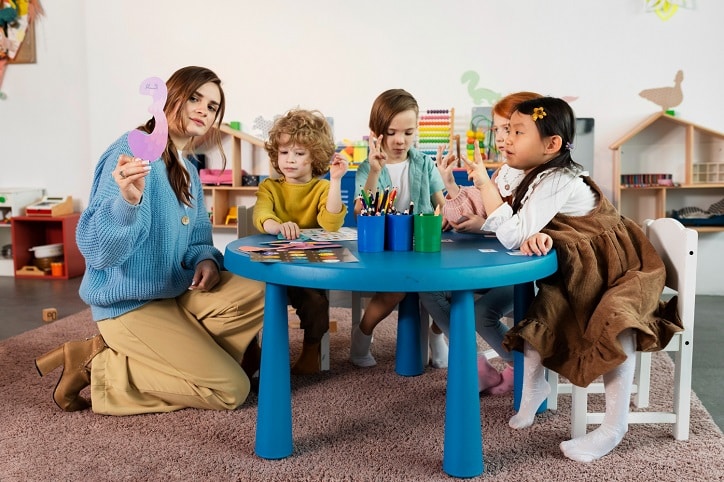
Raising Confident Kids: Simple Everyday Practices That Build Self-Belief

Confidence isn’t something children are simply born with, it’s built, shaped, and reinforced through everyday interactions. Many parents wonder if they’re doing enough, especially when they see their child hesitate to try new things or compare themselves to others. The truth is, confidence grows in small, consistent moments, not big, dramatic ones.

By focusing on simple daily habits, you can help your child develop a strong sense of self-belief that carries into school, friendships, and beyond.

Raising Confident Kids

Why Confidence Matters More Than Ever

Today, children face constant comparison in class and online. Parents ask, “Why does my child give up so quickly?” or “How do I help them believe in themselves without pushing too hard?”

Confidence plays a key role in resilience, decision-making, and emotional well-being. It’s closely tied to how children handle setbacks, express themselves, and approach challenges.

In fact, confidence doesn’t mean always succeeding, it means believing they can try again.

The Power of Small Daily Wins

Children build self-belief through repeated experiences of effort leading to progress. These don’t have to be major achievements.

Simple moments like tying their shoes, finishing homework independently, or trying a new activity all contribute to their internal narrative: “I can do this.”

If you’ve explored ideas like 10 Expert-Backed Strategies to Foster Resilience in Children, you already know that resilience and confidence go hand in hand. When kids learn to push through small challenges, they start to trust their abilities.

Let Them Struggle (Just Enough)

One of the most common concerns parents share is knowing when to step in and when to step back. It’s tempting to help immediately when your child is frustrated, but doing so too often can unintentionally send the message that they can’t handle things on their own.

Instead, allow manageable struggles. Offer guidance without taking over.

For example:

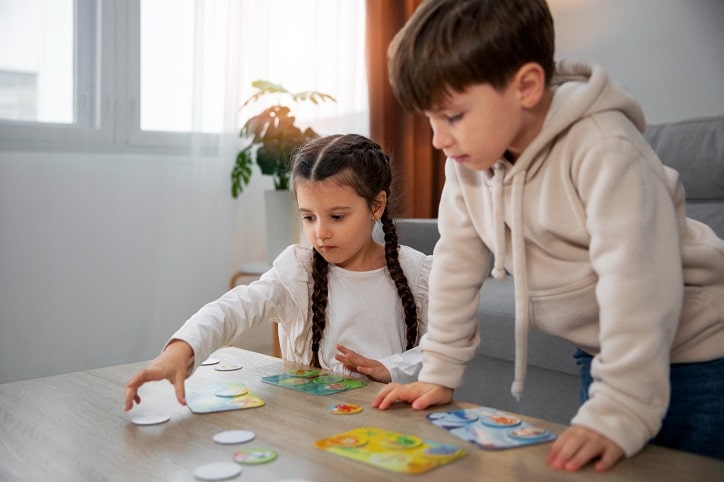
  • Instead of solving a puzzle for them, ask, “What piece do you think might fit here?”
  • Instead of correcting every mistake, let them figure out what works.

This balance builds independence and problem-solving skills.

Build Confidence Through Routine and Stability

Children thrive on consistency. Daily routines, like mealtimes, bedtime, and school preparation, create a sense of security that supports confidence.

Sleep, in particular, plays a huge role in emotional regulation and self-esteem. If your child struggles with mood swings or low energy, it may be worth revisiting habits discussed in Establishing Healthy Sleep Habits for Children: Expert Advice.

Similarly, nutrition directly impacts how children feel and function. Balanced meals can influence mood, focus, and overall confidence, as highlighted in How Early Childhood Nutrition Impacts Learning, Mood, and Behavior.

When children feel physically well, they’re more likely to take on challenges with a positive mindset.

Encourage Effort Over Perfection

Kids quickly pick up on what adults value. If praise is always tied to outcomes, like grades or winning, they may become afraid of failure.

Instead, focus on effort:

  • “You worked really hard on that.”
  • “I noticed you didn’t give up.”

This approach helps children see mistakes as part of learning rather than something to avoid.

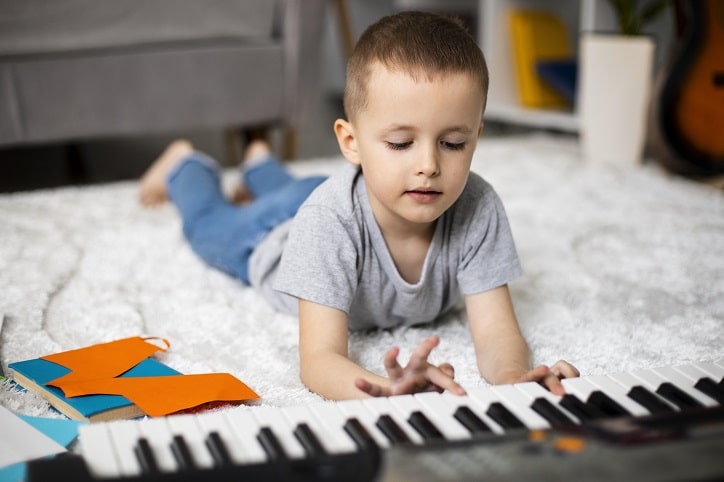
Interestingly, activities like music can also reinforce this mindset. As explored in 5 Surprising Ways Music Boosts Your Child’s Brain Development and Skills, learning an instrument teaches patience, practice, and persistence, all essential for building confidence.

Create Opportunities for Independence

Confidence grows when children feel capable. Giving them age-appropriate responsibilities is one of the most effective ways to nurture this.

This could include:

  • Packing their own school bag
  • Helping with simple household tasks
  • Making small choices, like picking their outfit

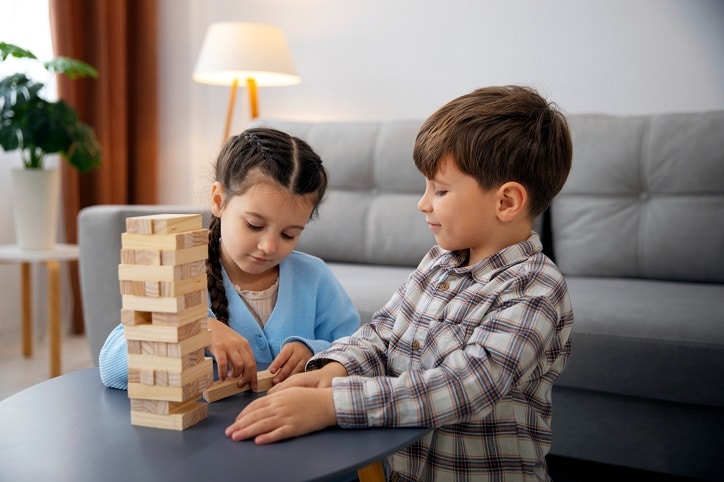
Even social development plays a role here. Experiences outlined in Importance of Socialization in Early Childhood show how interacting with peers helps children develop communication skills and self-assurance.

When kids feel trusted, they begin to trust themselves.

Address Common Confidence Killers

Parents often overlook subtle factors that can impact self-esteem. Issues like fatigue, poor sleep, or even physical discomfort can make children withdraw or doubt themselves.

For instance, if your child seems unusually tired or disengaged, insights from Fatigue in Kids: A Comprehensive Guide for Parents can help identify underlying causes.

Similarly, challenges such as vision problems or physical discomfort can affect participation and confidence in school or other activities. Addressing these early can make a noticeable difference in how children see themselves.

Midway through your parenting journey, you may also find yourself seeking guidance from professionals in Littleton Pediatric to better understand your child’s developmental and emotional needs. Having the right support system ensures you’re not navigating these concerns alone.

Be Mindful of Your Own Language

Children internalize the way adults speak to them and about them.

Phrases like:

  • “You’re so shy.”
  • “You always struggle with this.”

can become labels that shape how they see themselves.

Instead, use language that leaves room for growth:

  • “You’re learning how to speak up more.”
  • “This is something you’re getting better at.”

It may seem small, but these shifts can have a lasting impact on self-perception.

Encourage Curiosity and Exploration

Confidence isn’t just about doing well, it’s about being willing to try.

Encourage your child to explore new interests without pressure to excel. Whether it’s art, sports, or storytelling, these experiences help them discover what they enjoy and where they feel capable.

Creative outlets, as discussed in The Power of Storytelling: Engaging Children’s Imaginations, allow children to express themselves freely, strengthening both confidence and emotional intelligence.

When to Step In

While independence is important, there are times when children need extra support. If your child consistently avoids challenges, engages in negative self-talk, or seems withdrawn, it may be a sign that they need more guidance.

In these cases:

  • Open up gentle conversations.
  • Validate their feelings without reinforcing fear.
  • Work together to set small, achievable goals.

Confidence-building isn’t about pushing harder, it’s about meeting your child where they are.

Conclusion: Confidence Is Built, Not Given

Raising confident kids isn’t about creating perfect conditions or constantly boosting their self-esteem. It’s about giving them the tools, space, and encouragement to discover their own capabilities.

Through everyday moments, letting them try, supporting their efforts, and creating a stable environment, you help shape a mindset that says, “I can handle this.”

Over time, these small practices add up to something powerful: a child who believes in themselves, even when things aren’t easy. And with thoughtful guidance from trusted providers like Focus On Kids Pediatrics, you can feel more assured in supporting your child’s growth every step of the way.


How Early Childhood Nutrition Impacts Learning, Mood and Behavior

Early childhood is a critical period for growth and development. During these years, a child’s brain develops rapidly, forming the foundation for learning, emotional regulation, and social skills. One of the most influential factors during this stage is nutrition. The foods children eat directly affect their brain function, energy levels, mood, and behavior.

At Focus On Kids Pediatrics, we often remind parents that nutrition is not just about physical growth. The right nutrients help support memory, attention span, emotional balance, and overall cognitive development.

Understanding how early childhood nutrition affects learning and behavior can help parents build healthier habits that benefit children for years to come.

Early Childhood Nutrition

The Brain’s Rapid Development in Early Childhood

A child’s brain grows significantly during the first few years of life. During this time, billions of neural connections form that influence how children think, learn, and process emotions.

Nutrients such as protein, healthy fats, vitamins, and minerals play essential roles in building these connections. When children receive balanced nutrition, their brains have the resources needed to support learning and emotional development.

Parents who want to support healthy mental development often explore activities that encourage cognitive growth in children, which work best when paired with proper nutrition.

Nutrition and Learning Ability

Children need steady energy throughout the day to focus and absorb new information. Balanced meals help maintain stable blood sugar levels, which prevents sudden drops in energy that can affect concentration.

Without proper nutrition, children may experience:

  • Difficulty focusing in school
  • Lower memory retention
  • Reduced mental alertness
  • Increased irritability

One of the most important meals of the day is breakfast. A nutritious morning meal provides the energy children need to stay attentive during school hours. Many families find that learning about breakfast and kids’ concentration helps them establish better morning routines that support academic success.

When children begin the day with the right nutrients, they are more prepared to engage in learning and problem-solving activities.

The Connection Between Food and Mood

Nutrition also plays a significant role in emotional regulation. Certain nutrients influence the production of neurotransmitters that affect mood and behavior.

For example, deficiencies in key nutrients such as iron, omega-3 fatty acids, and certain vitamins may contribute to mood swings, fatigue, or difficulty managing emotions.

Parents sometimes notice behavioral changes when their child’s diet lacks important nutrients. Understanding iron deficiency in children can help families identify symptoms such as fatigue, irritability, or difficulty concentrating.

Balanced meals that include whole grains, fruits, vegetables, proteins, and healthy fats support emotional stability and help children feel their best throughout the day.

Nutrition and Behavioral Patterns

Children who consume large amounts of processed foods or sugary snacks may experience spikes and crashes in energy levels. These fluctuations can contribute to hyperactivity, mood swings, or sudden fatigue.

Healthy eating habits promote more stable energy levels, which helps children maintain consistent behavior at home and in school.

Creating structured mealtime routines can also make a difference. Families often find that strategies for making mealtime easier for picky eaters help children develop healthier eating habits and a more positive relationship with food.

When meals are balanced and predictable, children are more likely to receive the nutrients they need for healthy development.

Gut Health and Its Role in Development

The digestive system is closely connected to brain health. A balanced gut microbiome helps regulate digestion, immune function, and even mood.

Probiotics and fiber-rich foods can support digestive balance and overall well-being. Parents who want to learn more about digestive health sometimes explore probiotics for children’s gut health as part of a broader nutrition plan.

Healthy digestion ensures that the body can properly absorb the nutrients required for growth, learning, and emotional regulation.

Lifestyle Factors That Work with Nutrition

While nutrition is essential, it works best alongside other healthy lifestyle habits. Adequate sleep, physical activity, and positive social interactions all contribute to a child’s development.

Sleep plays an especially important role in brain health. During sleep, the brain processes information, stores memories, and restores energy. Establishing consistent bedtime routines can support better rest and overall well-being.

Parents often benefit from learning about healthy sleep habits for children, which help create routines that support both physical and mental development.

Additionally, children develop important emotional skills through social interactions. Learning about the importance of early childhood socialization can help families understand how relationships and experiences influence behavior and emotional growth.

When Parents Should Seek Guidance

Every child develops at their own pace, but if parents notice persistent concerns such as low energy, difficulty concentrating, or sudden behavioral changes, it may be helpful to seek professional guidance.

A pediatrician in Littleton can evaluate a child’s growth, nutrition, and overall health to ensure they are receiving the nutrients necessary for development.

Regular checkups allow healthcare providers to monitor developmental milestones and offer personalized recommendations for improving nutrition and lifestyle habits.

Early support can make a meaningful difference in helping children reach their full potential.

Simple Tips for Supporting Healthy Nutrition

Parents can encourage better nutrition by making small, consistent changes at home. These habits can help children develop a healthy relationship with food while supporting their learning and emotional well-being.

Helpful strategies include:

  • Offering balanced meals with a variety of nutrients
  • Encouraging regular meal and snack times
  • Limiting sugary drinks and processed foods
  • Including fruits and vegetables in daily meals
  • Involving children in meal preparation

Children are more likely to adopt healthy habits when they see their families modeling balanced eating behaviors.

Final Thoughts

Early childhood nutrition plays a powerful role in shaping how children learn, behave, and manage their emotions. The nutrients children receive during these formative years support brain development, improve concentration, stabilize mood, and promote healthy behavioral patterns.

By focusing on balanced meals, healthy routines, and supportive lifestyle habits, parents can help their children build a strong foundation for lifelong health and learning.

At Focus On Kids Pediatrics, we are dedicated to helping families understand the important connections between nutrition, development, and overall well-being. With the right guidance and healthy habits, children can thrive both inside and outside the classroom.

Growing Pains: Why They Happen and How to Relieve Them

Many parents have heard their children complain about aching legs at night, often after a busy day of running, playing, and exploring. These episodes, commonly referred to as growing pains, can be confusing and concerning for families. While the name suggests they are directly caused by growth, the exact reason behind growing pains is still not fully understood.

At Focus On Kids Pediatrics, we often reassure parents that growing pains are common in childhood and usually not a sign of any serious medical issue. Understanding why they occur and how to help relieve them can make a big difference in your child’s comfort and your peace of mind.

Growing pains in kid

What Are Growing Pains?

Growing pains are episodes of muscle discomfort that typically affect children between the ages of 3 and 12. The pain usually occurs in the legs, especially in the calves, thighs, or behind the knees. These aches often appear in the evening or during the night and may even wake a child from sleep.

Interestingly, the discomfort usually disappears by morning, allowing children to resume their normal daily activities without any lingering symptoms.

Parents sometimes notice that these pains occur more frequently on days when their child has been particularly active.

Why Growing Pains Happen

Despite the name, growing pains are not directly caused by bone growth. Instead, many experts believe they may be related to muscle fatigue from physical activity throughout the day.

Children are naturally energetic, often running, jumping, and climbing for hours. Their developing muscles may become sore after these activities, especially if the child has had a particularly active day.

Environmental and lifestyle factors can also play a role in how children experience physical discomfort. Understanding environmental factors affecting child development can help parents recognize how daily routines, physical activity, and rest influence their child’s overall well-being.

Another factor to consider is overall health and nutrition. When children are tired, stressed, or lacking certain nutrients, they may be more sensitive to aches and pains.

Common Symptoms of Growing Pains

Growing pains typically follow a predictable pattern that helps distinguish them from other medical conditions.

Common signs include:

  • Aching or throbbing pain in the legs
  • Pain occurring late in the day or at night
  • Discomfort affecting both legs rather than one specific spot
  • No swelling, redness, or limping during the day
  • Pain that improves with massage or gentle stretching

If a child wakes up feeling completely fine the next morning, it is often a strong indication that the discomfort was related to growing pains rather than an injury.

However, if symptoms persist during the day or worsen over time, it may be helpful to consult a pediatrician for further evaluation.

When Parents Should Seek Medical Advice

Although growing pains are generally harmless, there are situations when it is important to consult a healthcare professional.

Parents should consider seeking medical advice if a child experiences:

  • Persistent pain in one specific area
  • Swelling or redness in the joints
  • Fever or unusual fatigue
  • Difficulty walking or limping
  • Pain that continues during the day

A pediatrician in Littleton can help evaluate your child’s symptoms, rule out other conditions, and provide guidance tailored to your child’s needs.

Some parents also notice that fatigue or poor sleep can make nighttime discomfort worse. Learning more about healthy sleep habits for children may help improve rest and reduce nighttime disturbances.

Simple Ways to Relieve Growing Pains

The good news is that growing pains usually respond well to simple at-home remedies. These gentle strategies can help soothe discomfort and help your child fall back asleep more easily.

Gentle Massage

Massaging the affected area is one of the most effective ways to relieve growing pains. Light pressure and slow movements can relax tired muscles and reduce soreness.

Some parents also explore pediatric massage for babies and children as a supportive technique that promotes muscle relaxation and overall comfort.

Warm Compress or Bath

Applying a warm heating pad or encouraging a warm bath before bedtime can help loosen tight muscles and reduce nighttime discomfort.

Warmth improves circulation and allows the muscles to relax after a long day of activity.

Stretching Exercises

Gentle stretching before bed can also help relieve tension in the legs. Simple stretches for the calves and thighs may reduce the likelihood of nighttime aches.

Encouraging children to stay active throughout the day is still important, but balancing activity with proper rest helps their bodies recover.

Proper Nutrition and Hydration

Healthy nutrition plays a key role in muscle function and recovery. Ensuring children receive balanced meals and adequate hydration supports overall growth and development.

Parents interested in supporting their child’s energy and concentration often explore topics like the importance of breakfast for kids’ energy, which highlights how consistent nutrition supports physical and cognitive development.

The Role of Sleep in Recovery

Children’s bodies repair and recharge during sleep. Poor sleep habits or irregular bedtime routines may increase muscle fatigue and make discomfort more noticeable at night.

Establishing consistent bedtime routines can help children fall asleep more easily and stay asleep throughout the night. Some families also focus on creating safe sleep environments for babies and kids to promote deeper and more restful sleep.

Adequate sleep supports both physical recovery and emotional well-being.

Helping Children Feel Reassured

Growing pains can sometimes be scary for children, especially when they wake up suddenly with discomfort. Reassuring your child that the pain is temporary and common can help reduce anxiety.

Parents can support their child by:

  • Offering comfort and reassurance
  • Using gentle massage or warmth to ease discomfort
  • Encouraging regular physical activity during the day
  • Maintaining healthy sleep routines

Emotional reassurance is often just as important as physical relief.

Final Thoughts

Growing pains are a common part of childhood for many families. While the exact cause remains uncertain, these episodes are usually harmless and tend to fade as children grow older.

By understanding the symptoms and using simple comfort strategies, parents can help their children manage these nighttime aches with ease.

At Focus On Kids Pediatrics, we are committed to supporting families through every stage of childhood development. If you ever have concerns about your child’s health, growth, or physical discomfort, our team is here to provide compassionate care and expert guidance.

The Role of Breakfast in Your Child’s Concentration and Energy

Mornings can feel rushed—especially on school days. Between getting dressed, packing backpacks, and racing out the door, breakfast is often the first thing to be skipped. However, for children, missing breakfast can have a significant impact on their focus, mood, and energy throughout the day.

At Focus on Kids Pediatrics, we frequently discuss nutrition and its impact on school performance with parents. One of the simplest ways to support your child’s learning, behavior, and physical energy is to start the day with a balanced breakfast.

breakfast for kids

Why Breakfast Matters for Growing Brains

After a night of sleep, your child’s body and brain need to be fueled. Glucose, which comes from carbohydrates, is the brain’s primary energy source. Without it, kids may struggle to concentrate, problem-solve, and regulate emotions.

Research shows that children who eat breakfast tend to have better attention spans, improved memory, and stronger academic performance. This aligns with what we see clinically when discussing overall development and learning milestones, similar to what we cover in our guide on promoting cognitive development in children.

How Breakfast Affects Concentration at School

Children who skip breakfast are more likely to experience:

  • Difficulty focusing in class
  • Irritability or mood swings
  • Slower information processing
  • Increased restlessness or impulsivity

A nutritious morning meal helps stabilize blood sugar levels, which supports sustained attention and mental clarity throughout the school morning. This is especially important for children who already struggle with attention, learning differences, or behavioral challenges.

Breakfast and Physical Energy Levels

Breakfast doesn’t just fuel the brain—it powers the body too. Kids who eat in the morning often have more stamina for:

  • Physical activity and recess
  • Sports and after-school programs
  • Staying alert rather than feeling sluggish or tired

Low energy or fatigue can sometimes be mistaken for laziness or a lack of motivation. In reality, it may simply be a lack of proper nutrition, something we also discuss in our article on fatigue in children and its common causes.

What Makes a Healthy Breakfast for Kids?

A strong breakfast includes a balance of nutrients to keep kids full and energized:

  • Protein for sustained energy (eggs, yogurt, nut butter, beans)
  • Whole grains for steady glucose release (oatmeal, whole-grain toast)
  • Fruits for vitamins, minerals, and fiber
  • Healthy fats to support brain development

Highly sugary breakfasts may cause quick energy spikes followed by crashes, making it harder for children to focus later in the morning. Building balanced meals also supports long-term healthy eating habits, which we emphasize in the importance of a balanced diet for kids.

What If Your Child Isn’t Hungry in the Morning?

It’s common for some kids to resist breakfast—especially early in the morning. Helpful strategies include:

  • Offering smaller, easy-to-digest options
  • Preparing breakfast the night before
  • Allowing a “grab-and-go” option for the car or bus stop
  • Encouraging consistent sleep schedules to support morning appetite

If picky eating is part of the challenge, our article on how to make mealtime enjoyable for picky eaters offers practical ideas that work well for breakfast, too.

When Skipping Breakfast Becomes a Concern

Occasional skipped breakfasts happen—but regular avoidance may lead to:

  • Low energy or headaches
  • Difficulty concentrating at school
  • Poor weight gain or growth concerns

If breakfast refusal is ongoing, or if you’re worried about your child’s nutrition, growth, or school performance, it’s worth discussing during a well-child visit. Routine checkups help us identify nutritional gaps early, as explained in the importance of regular pediatric doctor visits.

Final Thoughts

Breakfast sets the tone for your child’s entire day. A nourishing morning meal supports concentration, energy, emotional regulation, and learning—long before the school bell rings.

At Focus on Kids Pediatrics, we believe small daily habits can make a big difference in your child’s health and development. Our team of experienced pediatricians in Littleton is here to help you build routines that support your child’s nutrition, growth, and success at school. If you have concerns about your child’s eating habits, energy levels, or focus, we’re always here to partner with you.

Fatigue in Kids: A Comprehensive Guide for Parents

Every parent knows what it’s like to have a sleepy child after a busy day—but when tiredness lingers, it can signal something more. Persistent fatigue in kids can impact mood, focus, school performance, and overall health. While simple lifestyle factors often cause it, it can sometimes indicate an underlying medical condition.

At Focus on Kids Pediatrics in Littleton, CO, we help parents understand normal fatigue and when it’s time to investigate further. This guide breaks down the most common causes, signs and steps you can take to help your child regain their energy and vitality.

Fatigue in Kids

Understanding Fatigue vs. Normal Tiredness

All kids get tired—it’s part of growing and learning. However, fatigue is more than just feeling sleepy; it’s ongoing exhaustion that doesn’t improve with rest. Children with fatigue may struggle to stay alert during the day, lose interest in play, or seem unusually irritable.

If you notice your child sleeping more than usual or still feeling tired after a good night’s sleep, it may be time to dig deeper.

Explore our article on Establishing Healthy Sleep Habits for Children to learn how proper rest supports healthy development.

Common Causes of Fatigue in Children

Fatigue can stem from many sources—some simple, others medical. Here are a few of the most common causes we see at Focus on Kids Pediatrics:

1. Poor Sleep Quality or Schedule

Irregular bedtimes, too much screen time before bed, or sleep disorders can disrupt rest. Kids need consistent routines and environments that encourage deep, restorative sleep.

Learn how to create a safer bedtime routine in The ABCs of Sleep: Ensuring a Secure Environment for Your Baby.

2. Nutritional Deficiencies

Low iron, vitamin D, or other nutrient levels can worsen tiredness. Iron deficiency, in particular, is one of the leading nutritional causes of fatigue in children.

If your child’s energy seems low, our guide on the Common Signs and Symptoms of Anemia in Children might be especially helpful.

3. Emotional or Mental Health Concerns

Stress, anxiety, and depression can also appear as fatigue in children. School pressure, social changes, or family stressors may cause emotional exhaustion.

Our article Top Ways to Improve Children’s Mental Health covers early signs and supportive strategies parents can use.

4. Chronic Illnesses or Infections

Conditions like thyroid disorders, diabetes, or chronic infections can lead to low energy levels. If your child’s fatigue is persistent or accompanied by other symptoms (weight loss, fever, changes in appetite), consult your pediatrician in Littleton.

Signs It’s Time to See a Doctor

You should schedule an appointment with your pediatrician if your child:

  • Feels tired even after 8–10 hours of sleep
  • Has sudden changes in behavior, focus or appetite
  • Experiences weight loss, dizziness, or shortness of breath
  • Complains of headaches or muscle weakness
  • Shows pale skin or dark circles under the eyes

At Focus on Kids Pediatrics, we’ll conduct a thorough evaluation that may include a physical exam, lab tests, and a nutrition review to identify what’s happening.

How to Help Your Child Feel More Energized

The good news? Most cases of fatigue in kids can be improved with a few healthy lifestyle changes:

  • Prioritize consistent bedtimes – Stick to a routine that promotes restful sleep.
  • Encourage outdoor activity – Exercise and sunlight help regulate energy and mood.
  • Serve balanced meals – Include iron-rich foods like lean meats, beans, and leafy greens.
  • Reduce screen time – Especially in the evenings, to help melatonin production.
  • Talk openly – If your child feels stressed or overwhelmed, let them share their feelings.

Final Thoughts

Fatigue can be frustrating for kids and parents—but with careful attention, most causes can be identified and managed. Every aspect of your child’s daily routine affects their energy levels, from nutrition and sleep to emotional well-being.

At Focus on Kids Pediatrics, our compassionate team takes a whole-child approach to care. Whether your child needs a nutritional assessment, a sleep checkup, or lab work to rule out anemia or thyroid issues, we’re here to help you find answers and restore their energy.

Iron Deficiency in Kids: Symptoms, Causes & What Parents Can Do

Is your child often tired, pale, or less energetic than usual? It could be more than just a rough week—it might be a sign of iron deficiency. Iron plays a critical role in supporting your child’s growth, brain development, and immune system. Without enough of it, kids may begin to show noticeable signs that something’s off.

At Focus on Kids Pediatrics in Littleton, CO, we regularly see children with low iron levels—especially toddlers, picky eaters, and rapidly growing kids. The good news? Iron deficiency is common, highly treatable, and often preventable with the right support.

In this article, we’ll cover the most common symptoms, causes, and actionable steps parents can take to keep their kids healthy and thriving.

Iron Deficiency in Kids

What is Iron Deficiency?

Iron deficiency occurs when the body doesn’t have enough iron to make hemoglobin—the protein in red blood cells that carries oxygen. When iron levels drop too low, it can lead to iron-deficiency anemia, a condition that reduces oxygen delivery throughout the body and makes kids feel weak and tired.

Common Symptoms of Iron Deficiency in Children

Many symptoms of low iron are easy to overlook because they build gradually. If your child is experiencing one or more of these signs, it’s worth a conversation with your pediatrician:

  • Fatigue or low energy
  • Pale skin or gums
  • Cold hands and feet
  • Poor appetite
  • Slower growth or weight gain
  • Irritability or mood swings
  • Trouble concentrating or doing schoolwork
  • Frequent infections due to lowered immunity

You may also notice more subtle clues like brittle nails or your child craving non-food items like ice or dirt (a condition known as pica).

For comparison, read about how dehydration in kids can also lead to fatigue and low energy.

What Causes Iron Deficiency in Kids?

There’s no one-size-fits-all cause, but several factors can lead to low iron levels in children:

1. Inadequate Iron Intake

Picky eaters, children on plant-based diets, and toddlers transitioning from breastmilk or formula often don’t get enough dietary iron. Learn how to support balanced nutrition in our post on the importance of a balanced diet for kids.

2. Rapid Growth

Periods of rapid growth—especially in toddlers and teens—require more iron. If intake doesn’t keep up, the body can quickly become deficient.

3. Excessive Milk Consumption

Drinking large amounts of cow’s milk (more than 24 oz a day) can interfere with iron absorption and reduce appetite for iron-rich foods.

4. Chronic Blood Loss

This could be from heavy menstruation in teens or minor bleeding in the digestive tract due to food intolerances or other medical conditions.

5. Premature Birth or Low Birth Weight

Babies born early may have lower iron stores and need additional monitoring and supplementation during infancy.

What Parents Can Do to Boost Iron Levels

The good news? Iron deficiency is highly manageable, especially when caught early. Here are steps you can take to help restore and maintain healthy levels:

1. Incorporate Iron-Rich Foods

Some kid-friendly, iron-rich foods include:

  • Lean red meats, chicken, turkey
  • Beans, lentils, and tofu
  • Iron-fortified cereals and oatmeal
  • Spinach and leafy greens
  • Egg yolks

Pairing iron with vitamin C (like oranges, strawberries, or tomatoes) helps boost absorption.

2. Cut Back on Excess Milk

Limiting cow’s milk to 16–24 ounces per day helps avoid crowding out iron-rich foods and improves absorption.

3. Ask About Supplements (If Needed)

If your child is at risk or has been diagnosed with iron deficiency, we may recommend a daily supplement. These are typically safe and effective but should only be used under pediatric guidance.

4. Watch for Hidden Signs

Keep an eye out for behavior or energy changes, especially during growth spurts or dietary transitions. Check out our guidance on how to start baby food to ensure your child gets enough iron early on.

When to Call Your Pediatrician

You should schedule an appointment if:

  • Your child shows multiple symptoms listed above
  • They’ve had previous issues with anemia or low energy
  • You’re unsure if their diet meets nutritional needs
  • You have a family history of iron deficiency

We can run a simple blood test during a wellness visit to check your child’s iron and hemoglobin levels. Regular pediatric checkups often include anemia screening during key stages of development.

Final Thoughts

Iron may be a small mineral, but its impact on your child’s growth, learning, and energy is huge. Luckily, with a balanced diet, smart habits, and guidance from your pediatric team, you can prevent and reverse iron deficiency with ease.

At Focus on Kids Pediatrics, our team is here to support your child’s nutrition and development at every stage. Whether you’re worried about energy levels, picky eating, or lab results, we’re here to help you get clear answers and feel confident moving forward.

Visit or call us today to schedule your child’s next checkup with our compassionate Littleton team.

5 Surprising Ways Music Boosts Your Child’s Brain Development and Skills

You’ve probably seen your child light up when their favorite song comes on—or watched them bounce, clap, or hum along to a tune without even being taught. But did you know that these joyful little musical moments are doing more than just entertaining them? They’re building your child’s brain.

At Focus on Kids Pediatrics, we love sharing research-backed ways parents can support healthy development—and music is one of the most powerful tools available. Whether it’s lullabies before bed, singalongs in the car, or music lessons later on, the impact of music on a child’s growing brain is real, measurable, and lasting.

Here are 5 surprising ways music boosts your child’s brain development and cognitive skills, starting from infancy through the school years.

Child's Brain Development

1. Music Strengthens Language and Communication

Even before babies speak, their brains are wired to recognize patterns in sound. Music helps them:

  • Understand rhythm, tone, and pitch (all foundations of speech)
  • Differentiate syllables and word patterns
  • Build early listening and memory skills

According to the National Institutes of Health (NIH), music exposure in infancy is linked to earlier language milestones and stronger verbal development. Singing to your baby isn’t just bonding—it’s literally teaching them how to speak.

For children with delayed speech or communication struggles, early musical exposure can complement interventions like speech therapy.

2. It Boosts Brain Connectivity and Executive Function

Music activates multiple regions of the brain at once—including those responsible for focus, memory, and emotional regulation. Studies show that children who engage with music regularly have better executive function, which includes:

  • Concentration and attention span
  • Impulse control
  • Working memory (critical for learning)

A study from the University of Southern California found that children who received music instruction had more developed brain structures related to decision-making and problem-solving—skills they’ll use far beyond music class.

You can also support your child’s mental performance through cognitive development activities outside of music to help round out their growth.

3. Music Encourages Social and Emotional Growth

Whether it’s a music circle at preschool or a sibling duet at home, music helps children:

  • Cooperate with others
  • Interpret emotions
  • Express feelings in a healthy way

Singing and playing instruments in a group setting teaches patience, empathy, and turn-taking—all core social skills. And for shy or nonverbal kids, music can become a safe emotional outlet, helping them communicate what words can’t.

This ties closely into the importance of socialization in early childhood, a key factor in long-term emotional health.

4. It Supports Motor Skills and Physical Coordination

Clapping, tapping, and dancing to music all support gross and fine motor development. From toddlers moving to the beat to older kids playing instruments, musical activities strengthen:

  • Hand-eye coordination
  • Body awareness
  • Bilateral movement (using both sides of the body together)

These motor gains translate to better handwriting, sports skills, and daily physical tasks like tying shoes or using utensils. If your child struggles with coordination, music may work alongside therapies such as pediatric occupational therapy to support growth.

5. Music Builds Confidence and Self-Esteem

Learning a song, performing for family, or simply singing along builds a sense of accomplishment in children. Music encourages kids to:

  • Take creative risks
  • Develop their unique voice
  • Stick with a skill through practice

This is especially helpful for children navigating anxiety, learning differences, or social challenges. Music becomes a personal win—something they can own, enjoy, and be proud of.

Music can also be an effective form of emotional support, especially when combined with other approaches for improving children’s mental health.

Final Thoughts

Music is more than background noise—it’s a tool for connection, creativity, and brain development. Whether your child is a budding musician or just loves to dance in the kitchen, you’re doing more than entertaining them—you’re helping shape their learning, communication, and emotional growth.

At Focus on Kids Pediatrics, we’re committed to providing comprehensive pediatric care that supports every aspect of your child’s development—from their physical health to their emotional and cognitive milestones. If you ever have questions about early development, learning concerns, or enrichment activities, we’re here to partner with you every step of the way.

7 Key Benefits of Probiotics for Children’s Digestive Health

Digestive issues in children—like gas, bloating, constipation, or frequent tummy aches—are more common than many parents realize. Fortunately, emerging research suggests a natural way to support your child’s gut health: probiotics.

Probiotics are “good” bacteria that help balance the microbiome—the complex ecosystem of microbes in the digestive tract. When in balance, this system supports digestion, immune function, mood regulation, and overall well-being.

In this article, we’ll discuss the 7 key benefits of probiotics for children’s digestive health based on current scientific research and expert recommendations.

Children’s Digestive Health

What Are Probiotics?

Probiotics are live microorganisms—often referred to as “friendly” or “helpful” bacteria—that provide health benefits when consumed in adequate amounts. They’re found in fermented foods like yogurt, kefir, and supplements.

According to the Cleveland Clinic, probiotics help restore the natural balance of bacteria in the gut, especially after it’s been disrupted by illness, antibiotics, or a poor diet.

Why Gut Health Matters for Kids

According to Johns Hopkins Medicine, the digestive system is home to over 70% of the immune system. A healthy gut is crucial for:

  • Breaking down food and absorbing nutrients
  • Fighting off infections and illness
  • Managing inflammation
  • Supporting brain development and mood balance

Let’s take a closer look at how probiotics can directly benefit your child’s digestive system.

1. Eases Constipation and Diarrhea

Probiotics help regulate bowel movements by promoting better gut motility and restoring microbial balance. A 2023 meta-analysis in Frontiers in Pediatrics found that strains like Lactobacillus and Bifidobacterium significantly reduced the duration and symptoms of diarrhea in children.

2. Replenishes Gut Flora After Antibiotics

Antibiotics often wipe out both harmful and good bacteria. According to the NIH, probiotics help restore the balance, preventing issues like antibiotic-associated diarrhea (AAD), which affects up to 30% of kids.

3. Boosts Immune Function

A balanced gut can reduce the risk of frequent infections. According to a study published in Pediatrics, children taking probiotics daily experienced fewer colds and respiratory diseases.

4. Alleviates IBS and Colic Symptoms

Specific strains like Lactobacillus reuteri have been shown to reduce abdominal discomfort and colic symptoms, especially in infants. Research in the Journal of Pediatric Gastroenterology and Nutrition supports this.

5. Improves Nutrient Absorption

Probiotics assist in the breakdown of food, helping children absorb vital nutrients like calcium, magnesium, and B vitamins—critical for growth and development.

6. Supports Allergy and Skin Health

Gut bacteria influence immune responses related to allergies and pediatric eczema. A 2022 study in Nutrients shows that probiotics may help reduce the severity of pediatric eczema and allergic inflammation in children.

7. Promotes Gut-Brain Balance and Emotional Wellness

The gut-brain connection plays a significant role in behavior and mood. According to Harvard Health, gut-friendly bacteria can influence serotonin levels, helping children with anxiety, mood regulation, and focus.

Best Ways to Add Probiotics to Your Child’s Routine

Probiotic-Rich Foods:

  • Yogurt (with live cultures)
  • Kefir
  • Sauerkraut (if tolerated)
  • Miso or tempeh (for older kids)

Probiotic Supplements:

Look for:

  • 1+ billion CFUs per serving
  • Age-appropriate formulas
  • Reputable brands with third-party testing (e.g., ConsumerLab)

Common child-friendly strains include:

  • Lactobacillus rhamnosus GG
  • Bifidobacterium lactis
  • Lactobacillus reuteri

Are Probiotics Safe for Kids?

Yes, in most cases. Probiotics are generally well-tolerated in healthy children. However, always consult a healthcare provider first for kids with weakened immune systems or chronic conditions.

The American Academy of Pediatrics (AAP) states that while probiotics show promise, more long-term research is needed, particularly on supplement use.

Final Thoughts

The health of your child’s gut impacts far more than just digestion—it’s the foundation for immunity, mood, and overall development. Probiotics can be a powerful ally in nurturing that foundation, especially when paired with a nutritious diet and regular pediatric care.

If you’re seeking expert guidance tailored to your child’s unique needs, the caring professionals at Focus on Kids Pediatrics in Littleton, CO are here to help. Our experienced team offers comprehensive pediatric care, including advice on nutrition, digestive health, and wellness support.

Visit us to schedule an appointment or learn how we can support your child’s growth—inside and out.

10 Expert-Backed Strategies to Foster Resilience in Children

Resilience is more than just bouncing back after tough times—it’s the inner strength that helps children adapt, thrive, and grow through life’s inevitable challenges. In a world of uncertainty, fostering resilience in kids has become essential.

From navigating school pressures to coping with personal loss or global disruptions, today’s children need emotional tools to help them manage stress and build confidence. Here’s a research-backed, practical guide on nurturing resilience in children at home and in educational settings.

Foster Resilience in Children

What is Resilience and Why Is It Crucial?

Resilience refers to the ability to cope with and recover from adversity. According to the American Psychological Association (APA), resilient children are more confident, emotionally balanced, and better at handling setbacks.

This psychological strength influences long-term mental health, academic success, and physical well-being. Research from Harvard’s Center on the Developing Child shows that resilience is built over time and is heavily influenced by relationships, experiences, and support systems.

So, how do we help kids develop this critical life skill?

The good news is that resilience isn’t something a child is simply born with—it’s a skill that can be nurtured, taught, and strengthened. Environmental factors that affect child development, such as supportive relationships, safe spaces, and consistent routines, play a crucial role. Adults can guide children toward becoming resilient, capable individuals by intentionally creating environments that foster emotional security and problem-solving confidence.

Let’s dive into 10 practical, research-backed ways to build resilience in children.

1. Build Strong, Supportive Relationships

Children build resilience when they feel safe and supported. Whether it’s a caregiver, teacher, or mentor, consistent and nurturing relationships help buffer the impact of stress.

Tips to try:

  • Have regular check-ins with your child.
  • Encourage open communication—ask, listen, and validate their feelings.
  • Foster a sense of connection at home, school, or community.

2. Encourage Independence and Problem-Solving

Overprotecting children can hinder resilience. Instead, allow them to face age-appropriate challenges.

Ways to promote independence:

  • Let children make small decisions (like choosing their outfits).
  • Allow natural consequences to teach life lessons.
  • Guide them through problem-solving rather than offering instant solutions.

3. Model Resilient Behavior

Children learn by observing. Show them how you handle disappointment, conflict, and change calmly and confidently.

What this looks like:

  • Share your own challenges and how you overcame them.
  • Talk through mistakes constructively.
  • Demonstrate healthy stress management techniques like deep breathing or journaling.

4. Help Them Develop a Growth Mindset

A growth mindset—believing abilities can be developed—boosts resilience by shifting focus from failure to learning.

According to Carol Dweck’s research, kids with a growth mindset:

  • Persevere longer when faced with obstacles
  • See effort as the path to mastery.
  • Learn from criticism and failure.

Encourage phrases like:

  • “What can we learn from this?”
  • “You haven’t mastered it yet, but you’re getting there.”
  • “Mistakes help your brain grow!”

5. Teach Emotional Regulation

Emotions like frustration, sadness, and anger are normal. What matters is how kids learn to respond.

Helpful tools:

  • Use visual emotion charts for younger children.
  • Introduce mindfulness or deep breathing apps like Breathe, Think, Do.
  • Practice naming emotions to increase self-awareness.

6. Set Realistic Expectations and Offer Praise for Effort

Resilient children aren’t expected to be perfect. They are encouraged to try, fail, and try again.

How to praise wisely:

  • Focus on effort, not just results.
  • Celebrate persistence, strategy, and creativity.
  • Avoid labels like “smart” or “gifted” and instead say, “I noticed how hard you worked.”

7. Create Opportunities for Mastery

Self-efficacy—the belief that “I can do this”—is critical for resilience. Let your child take on challenges that lead to a sense of accomplishment.

Ideas:

  • Sign them up for a hobby they’re passionate about.
  • Involve them in home tasks like cooking or pet care.
  • Celebrate their progress, not just achievements.

8. Teach Optimism and Gratitude

Optimistic kids are more likely to be resilient in the face of adversity. Studies show gratitude also boosts mood and long-term well-being.

Daily practices:

  • Keep a family gratitude jar or journal.
  • End each day by sharing one good thing that happened.
  • Encourage hopeful thinking even in tough times.

9. Maintain Routine and Structure

Predictability makes children feel safe. Especially during stressful periods, the structure can act as a calming force.

Tips to create routines:

  • Keep a consistent sleep and meal schedule.
  • Include “wind-down” time before bed.
  • Balance structure with flexibility to adapt to change.

10. Know When to Seek Professional Help

Sometimes, resilience needs an extra boost. If your child seems persistently anxious or withdrawn or shows drastic behavior changes, consider seeking professional support.

You can explore child therapists via:

  • Psychology Today’s Therapist Directory
  • School counsellors or pediatricians
  • Local mental health organizations

Final Thoughts

Fostering resilience in children isn’t about shielding them from hardship but preparing them to rise above it. With patience, encouragement, and the right tools, you can help children develop the emotional muscle they need to thrive in every season of life.

By applying these strategies consistently, you’re not only raising a child who can handle life’s curveballs—you’re raising a confident, compassionate human being.

Looking for expert guidance tailored to your child’s needs? If you’re in the Littleton, CO, area, the compassionate team at Focus on Kids Pediatrics offers personalized pediatric care with a strong emphasis on mental and emotional wellness. Our providers partner with families to support every stage of your child’s development—from infancy through adolescence. Visit us to learn more, or schedule an appointment today.


Spatial Awareness in Children

What is Spatial Awareness?

Spatial awareness is the ability to recognize where one’s body is in relation to objects, people, and the environment. It involves understanding the positions, directions, and distances of objects, which is crucial for movement and interaction with the world.

Spatial Awareness in Child Development

In child development, spatial awareness refers to how children learn to understand these spatial relationships, forming a foundation for various skills essential to daily life. Spatial awareness begins developing in infancy and continues throughout early childhood, allowing kids to move confidently, judge distances, and safely interact with their surroundings.

Children with a well-developed sense of spatial awareness tend to have improved motor skills, as they control their movements more easily, avoid obstacles, and perform coordination tasks like climbing, catching, or tying shoes.

Spatial Awareness in Children

Why Spatial Awareness Matters for Movement, Social Skills, Learning, and Play

Spatial awareness affects several key areas of child development, including physical movement, social interaction, learning, and play.

  • For physical movement, spatial awareness allows children to gauge distances and navigate spaces safely.
  • Socially, understanding spatial boundaries is essential for interpreting nonverbal cues and respecting personal space, aiding in forming positive relationships.
  • Spatial skills are also crucial in learning areas like math and science, where children use spatial awareness to recognize shapes, understand measurements, and interpret maps or diagrams.
  • In play, spatial awareness enables children to interact with toys, construct objects, and engage in imaginative games, which all help build logic and reasoning skills.

Activities That Help Children Develop Spatial Awareness

Parents and caregivers can support children’s spatial awareness through various engaging activities. Here are a few ideas to help you kick things off:

  • Building Blocks (like Legos): Encourage your child to create structures with blocks of different shapes and sizes. This requires them to consider balance, structure, and shape. Building a tower or constructing a house with Legos or other building toys helps children visualize space and placement as they go.
  • Jigsaw Puzzles: Puzzles teach spatial relationships as children rotate and fit pieces together to complete an image. Start with simpler puzzles of around 20 pieces and move on to more complex ones, as they help develop an understanding of how different pieces fit within a larger whole.
  • Hopscotch: This classic outdoor game is excellent for spatial awareness. Drawing a hopscotch grid on the ground requires children to understand distances as they hop from one square to the next, improving their ability to judge space and placement.
  • Catch and Obstacle Courses: Games like catch help children gauge distances, practice hand-eye coordination, and learn to judge speed and direction. Setting up a simple obstacle course in the backyard with cones, ropes, or other items challenges them to navigate around obstacles, enhancing their sense of spatial positioning and movement.
  • Arts and Crafts (cutting, folding, and arranging): Activities like making a paper snowflake, folding origami, or even arranging items on a page for a collage all develop fine motor skills and spatial awareness. Using materials like clay or playdough to mold shapes also allows children to manipulate forms and experiment with dimensions.

Building Spatial Awareness for Future Success

Encouraging children to engage in spatial awareness activities sets them up for success across multiple areas of life. Spatial awareness fosters agility, cognitive development, and social skills, providing a strong foundation for learning.

By introducing playful skill-building exercises, parents and caregivers can make spatial awareness a natural part of children’s growth and exploration. If you have any questions or concerns about your child’s spatial development, contact one of our friendly pediatricians in Littleton today.

Hypothermia in Children: Symptoms, Causes, and Treatment

What is Hypothermia?

Hypothermia is a dangerous condition that occurs when the body loses heat faster than it can generate it, causing a drop in core body temperature.

In children, whose bodies are often less efficient at maintaining consistent warmth, hypothermia can develop more rapidly than in adults. When the core temperature falls below 95°F (35°C), essential body functions begin to slow down, potentially leading to severe health issues if not addressed quickly.

Symptoms of Hypothermia

Hypothermia’s symptoms can vary in intensity depending on how much the body temperature has dropped.

  • In mild cases, symptoms may include shivering, cold skin, fever, and feelings of fatigue or confusion. Children may become clumsy, have slurred speech, or appear drowsy as their body’s temperature regulation begins to falter.
  • As hypothermia progresses, shivering may stop altogether, which is a critical sign that the body is losing its ability to generate heat.
  • Severe hypothermia can lead to a very weak pulse, shallow breathing, and Seizures, requiring immediate medical intervention to prevent life-threatening complications.

Hypothermia in Children

Causes of Hypothermia in Children

Hypothermia is often triggered by prolonged exposure to cold temperatures, particularly in places with high winds or moisture. Children are especially vulnerable to hypothermia in situations where they are outdoors in cold weather without adequate clothing, as their smaller bodies lose heat more quickly.

Immersion in cold water also speeds up heat loss, leading to a rapid drop in body temperature. It’s essential to remember that hypothermia can occur even in cool but not necessarily freezing environments. Other factors such as wet clothing, exhaustion, or low body fat can increase the risk, as these conditions reduce the body’s ability to insulate and retain warmth.

Treatments for Hypothermia

If a child shows signs of hypothermia, immediate action is needed to prevent further temperature loss.

  • The first step is to move the child to a warmer environment, such as indoors, to halt further exposure to the cold.
  • Removing any wet clothing and replacing it with warm, dry layers can significantly help, as can using blankets or other sources of warmth.
  • Warm fluids, such as hot water or clear broth, can provide additional internal heat.
  • It’s important not to give alcohol or caffeine in cases of hypothermia, as these substances can hinder the body’s ability to regulate temperature.

For moderate to severe cases of hypothermia, medical attention is essential. Healthcare professionals can provide more advanced warming techniques, such as heated IV fluids or blankets that are specifically designed to restore core body temperature gradually.

In cases where heart rate or breathing are severely affected, medical intervention may include oxygen therapy or other measures to stabilize the body’s vital signs.

Preventing Hypothermia in Children

Awareness and preparation are key to preventing hypothermia in children. Dressing children in appropriate layers for the weather, ensuring that they take regular breaks to warm up when outdoors, and providing adequate supervision can help prevent situations where hypothermia might develop.

It’s also helpful to teach children about the importance of staying dry and recognizing the initial signs of being too cold. By taking these precautions, caregivers can reduce the risk of hypothermia and keep children safe in colder conditions.

Always consult a healthcare professional if you notice any concerning symptoms in your child.

Types of Pediatric Fractures

A pediatric fracture refers to a break or crack in a child’s bone. Children’s bones differ from those of adults in that they are still growing and are more flexible, which can affect how fractures occur, as well as how they heal.

While some fractures in children are relatively minor, others can be more complicated, depending on the location and the type of break. Let’s take a look at the different types of pediatric fractures, how to prevent them, and what to do when they occur is important for ensuring proper care and recovery.

Common Types of Pediatric Fractures and Their Causes

There are several types of fractures that are particularly common in children due to the nature of their bones and their active lifestyles — greenstick fractures, buckle (or torus) fractures, growth plate fractures, complete fractures, and spiral fractures.

Pediatric Fractures

Greenstick Fracture

This occurs when a bone bends and cracks without breaking all the way through. Greenstick fractures are more likely in children because their bones are more flexible than those of adults.

Buckle (or Torus) Fracture

This happens when one side of the bone compresses, causing a bulge or raised area at the site of the injury. Buckle fractures are common in the wrists, often resulting from falls where the child tries to catch themselves with outstretched arms.

Growth Plate Fractures

The growth plate is the area of tissue near the ends of long bones that is responsible for bone growth. Because this area is softer and more vulnerable, injuries here can affect future bone development if not treated properly. Growth plate fractures often occur due to sports injuries, falls, or other trauma to the limbs.

Complete and Spiral Fractures

Children are also prone to complete fractures, where the bone breaks entirely into two or more pieces, as well as spiral fractures, which occur when a twisting force causes the bone to break in a spiral pattern. These fractures can result from falls, accidents, or high-impact sports activities.

Strategies for Avoiding Pediatric Fractures

Preventing fractures in children requires a combination of safety measures and supervision. Ensuring that children use appropriate protective gear, such as helmets, knee pads, or wrist guards when participating in sports or activities like biking or skateboarding can greatly reduce the risk of injury.

Encouraging children to follow safety guidelines in sports, including using proper techniques and not overexerting themselves, is also important.

Providing children with a healthy high protein diet rich in calcium and vitamin D is another key preventive measure, as these nutrients are vital for developing strong bones.

Regular physical activity, like weight-bearing exercises, running, and jumping, helps build bone strength, which can reduce the likelihood of fractures. Parents should also ensure that play areas are safe and free from hazards that could lead to falls or other injuries.

What to Do When Your Child Has a Pediatric Fracture

If you think your child has a fracture, seek medical attention as soon as you can. Signs of a fracture include swelling, bruising, pain, or difficulty moving the injured limb. Until you can reach a healthcare provider, immobilizing the injured area and applying ice to reduce swelling can manage discomfort.

Once evaluated by a doctor, your child may undergo imaging tests such as X-rays to confirm the type and severity of the fracture. Treatment will depend on the type of fracture, but common approaches include the use of casts or splints to immobilize the bone while it heals.

In more severe cases, such as displaced fractures, surgery may be necessary to realign the bone.

During the healing process, it is essential to follow the doctor’s instructions regarding rest, activity restrictions, and any physical therapy that may be needed to restore movement and strength to the injured area.

Most pediatric fractures heal well with proper treatment, though regular follow-ups with the doctor are important, especially for fractures involving the growth plate, to ensure that the bone heals correctly.

Pediatric fractures are common, especially for active children, so knowing how to prevent them and what steps to take if they occur can significantly improve recovery. With the right care and precautions, most children recover from fractures and return to their normal lives without long-term complications.

Environmental Factors That Affect Child Development

A child’s development is shaped by a wide range of influences, many of which fall under the category of “environmental factors.” In the context of child development and psychology, these factors refer to the external conditions and surroundings that impact physical, cognitive, emotional, and social growth.

These influences can support or hinder development, depending on the quality and consistency of the environment. Understanding how these factors operate is key to fostering a child’s healthy development. Let’s jump in to take a deeper look at crucial factors and strategies for ensuring healthy growth.

What Are Environmental Factors in Child Development?

Environmental factors encompass all the external elements that surround a child, affecting their day-to-day experiences and interactions. These factors can be broadly divided into the physical environment, social surroundings, and cultural context.

A child’s home life, school setting, neighborhood, and relationships with family and peers all contribute to their development. Even broader influences, such as access to healthcare, nutrition, and community support systems, can play a vital role in shaping a child’s growth and overall well-being.

Child Development

Crucial Environmental Factors in Child Development

Several key environmental factors are recognized as being especially influential in child development — family, education, and peer relationships.

Family Environment

One of the most significant factors is the child’s family environment. The stability of the home, the emotional support from caregivers, and the presence of strong attachment bonds all play a crucial role in the child’s emotional Behavior and social development. A nurturing home environment where children feel safe and valued promotes healthy emotional growth and self-esteem.

Quality of Education

The quality of education a child receives is another critical factor. Early childhood education, in particular, sets the foundation for cognitive development and future academic success.

The availability of stimulating activities, exposure to language, and opportunities for problem-solving and creativity can profoundly impact a child’s cognitive skills. A school environment with encouraging teachers and a curriculum suited to the child’s needs promotes intellectual and social development.

Peer Relationships

Peer relationships also have a major influence on children’s social development. The ability to form friendships and engage in positive interactions with peers is important for learning cooperation, communication, and conflict resolution.

Healthy peer relationships help children build social competence, while negative peer experiences, such as bullying or exclusion, can hinder emotional well-being and self-confidence.

Physical Environment

Additionally, the physical environment a child lives in, including the safety and quality of their neighborhood, can affect their overall health and sense of security.

Children growing up in unsafe or under-resourced neighborhoods may face challenges that hinder their development, such as exposure to violence, environmental hazards, or limited access to quality healthcare and educational facilities.

Strategies for Creating a Positive Developmental Environment

To ensure a positive environment for a child’s development, caregivers, educators, and communities must work together to provide supportive surroundings.

Nurturing Home Environment

To foster a nurturing home environment, parents and caregivers should focus on building strong, secure attachments with their children by providing emotional support, consistent routines, and open communication. This sense of security helps children feel safe and confident in exploring their world.

Access to Quality Education and Enrichment Opportunities

Providing children with stimulating learning experiences, whether through formal education or through play and creative activities at home, supports cognitive development. Encouraging curiosity and providing opportunities for problem-solving and critical thinking are essential in this regard.

Healthy Social Interactions

Parents can help children develop strong social skills by fostering friendships, teamwork, and empathy. Positive peer experiences are important for building self-esteem and social confidence. In cases where children struggle socially, early intervention can help address any challenges and improve outcomes.

Safe and Healthy Physical Environment

Ensure that children have access to nutritious food, healthcare, and safe play areas. Communities can play a role by offering programs and resources that support families and provide children with safe spaces to learn and grow.

By addressing these environmental factors thoughtfully, caregivers and educators can help create the conditions necessary for children to thrive emotionally, cognitively, and socially throughout their developmental years.

Importance of Socialization in Early Childhood

Early childhood is a critical period for development, during which children learn to navigate the world around them. Socialization—the process by which children learn to interact with others and understand societal norms—is a crucial part of this growth.

The importance of early socialization cannot be overstated, as it plays a key role in shaping a child’s emotional, cognitive, and social skills. These early experiences lay the foundation for future success in school, relationships, and overall well-being.

What is Socialization?

Socialization is the process through which children learn to engage with others, develop a sense of self, and understand the behaviors and values expected in society. During early childhood, socialization typically takes place within the family, daycare settings, preschools, and peer groups.

Through these interactions, children begin to understand concepts like cooperation, empathy, and communication. Socialization not only helps children build strong relationships but also teaches them how to navigate the world beyond their immediate environment.

Importance of Socialization

Cognitive Benefits of Early Socialization

One of the most significant benefits of early socialization is its impact on cognitive development. Engaging with peers and adults helps children improve their language and communication skills. As they interact, they learn how to express their thoughts and feelings, which strengthens their verbal and non-verbal communication abilities. For example, when children engage in group play, they often need to negotiate, explain, and collaborate, which helps in the development of problem-solving skills.

Psychologist Jean Piaget’s theory of cognitive development suggests that children construct their understanding of the world through interactions with others. Through socialization, children not only absorb information but also refine their thinking processes as they encounter new perspectives and solve problems with peers.

Emotional and Behavioral Benefits

Socialization also plays a significant role in emotional development. Children learn to regulate their emotions, express feelings appropriately, and understand the emotions of others through social interactions. Emotional behavior, which involves recognizing and managing emotions, is a crucial skill that begins to develop during early childhood.

Interactions with peers and caregivers teach children empathy and cooperation. When a child comforts a friend who is upset or shares a toy, they begin to understand the feelings of others and develop compassion. Daniel Goleman, author of Emotional Intelligence, highlights the importance of developing these emotional skills early, as they lead to healthier relationships and greater life satisfaction.

Social Skills and Peer Relationships

Socialization helps children develop essential social skills such as sharing, turn-taking, and conflict resolution. Engaging with peers allows children to learn how to navigate social challenges and form friendships. These early peer relationships help build self-confidence and social competence, which are important for success later in life.

The work of psychologist Lev Vygotsky theory emphasizes the importance of social interactions in learning and development. His social development theory suggests that children learn best through guided interaction with others, which fosters both cognitive and social growth.

Socialization and School Readiness

Early socialization is also crucial for preparing children for formal education. Children who have been exposed to social situations early tend to adapt better to school environments. They are more likely to engage in learning activities, display fewer behavioral problems, and cooperate with teachers and classmates. According to studies by the National Association for the Education of Young Children, social-emotional skills developed in early childhood are essential for academic success.

Socialization is the Foundation for Future Success

The importance of socialization in early childhood cannot be overstated. It is through social interactions that children learn vital cognitive, emotional, and social skills. Parents, caregivers, and educators play a pivotal role in facilitating these interactions, ensuring that children have opportunities for both structured and unstructured play. Prioritizing socialization during the early years lays a strong foundation for future success as children learn how to navigate the world with confidence, empathy, and resilience.

Signs & Symptoms of Childhood Leukemia

Childhood leukemia is the most common type of cancer in children and teens. In 2018, global cancer statistics showed 65,111 cases of leukemia in children 0–14 years of age. It is estimated that leukemia represents about 25.1% of all cancers for adolescents younger than 20.

Leukemia is a cancer of the blood and bone marrow, the soft material at the center of bones that is responsible for 95% of the body’s blood cell production. By understanding the signs and symptoms of childhood leukemia, parents and doctors can make a crucial early diagnosis and begin treatment. Let’s look at four key points parents should know about childhood leukemia.

Childhood Leukemia

Common Symptoms

Childhood leukemia can sometimes be difficult to diagnose, as it often presents symptoms like those of other, less serious illnesses. However, there are several major signs that can indicate the presence of leukemia:

  • Fatigue and weakness: Children with leukemia often feel very tired, weak, and dizzy because their bodies are not producing enough healthy red blood cells.
  • Frequent infections: A shortage of healthy white blood cells can lead to frequent infections that are difficult to treat and become long-lasting.
  • Bruising and bleeding: Unusual bruising and bleeding can occur due to a low platelet count, which affects blood clotting.
  • Bone and joint pain: Leukemia cells can accumulate and overcrowd the joints or areas near bones, causing significant pain.

Unusual Symptoms

Some symptoms of leukemia are less common and may not be immediately recognized as signs of cancer:

  • Swollen lymph nodes: Enlarged lymph nodes, particularly in the neck, armpits, or groin, can indicate leukemia.
  • Loss of appetite and weight loss: Children may lose interest in eating, leading to significant weight loss.
  • Pale skin: Anemia caused by a lack of red blood cells can result in unusually pale skin.
  • Abdominal pain: Swelling in the liver or spleen can cause discomfort or a feeling of fullness in the abdomen.

Diagnosis Process

If leukemia is suspected, a thorough medical examination and several tests will be conducted to confirm the diagnosis:

  • Physical exam: A doctor will check for signs of infection, bruising, and swollen lymph nodes.
  • Blood tests: A complete blood count (CBC) can reveal abnormalities in the numbers and types of blood cells.
  • Bone marrow aspiration and biopsy: These tests involve taking a sample of bone marrow, usually from the hip bone, to look for leukemia cells.
  • Spinal fluid and imaging tests: Spinal fluid tests (lumbar puncture) and chest X-rays may be used to detect signs of leukemia in other parts of the body.

Treatment Options

Treatment for childhood leukemia depends on the type and severity of the disease but generally includes:

  • Chemotherapy is the primary treatment for most types of leukemia, using drugs to kill cancer cells.
  • Radiation therapy uses high-energy radiation to destroy leukemia cells or shrink tumors.
  • Stem cell transplants replace diseased bone marrow with healthy stem cells from a donor.
  • Targeted therapy uses drugs that specifically target leukemia cells without harming normal cells.

Conclusion

Recognizing the signs and symptoms of childhood leukemia is vital for early detection and treatment. Parents should be vigilant regarding common symptoms such as fatigue, frequent infections, unusual bruising, bone pain, and less common symptoms of abdominal pain like swollen lymph nodes.

If leukemia is suspected, a series of diagnostic tests can confirm the diagnosis, and various treatment options are available to manage the disease. Always consult a healthcare professional if you notice any concerning symptoms in your child.