What is Flat Head Syndrome: A Guide for Parents

As parents, we always want the best for our little ones. We watch them grow, achieve milestones, and cherish every moment. But sometimes, we might notice something that raises concerns – like an uneven head shape.

You may notice that your baby’s head seems flat in the first few months, which is a common condition called “Flat Head Syndrome.” The good news is that it is usually only a temporary condition that doesn’t cause any long-lasting problems for your baby.

Let’s explore what it is and what you can do to minimize the chances of it happening to your baby.

Understanding Flat Head Syndrome

Flat Head Syndrome, medically known as “Positional Plagiocephaly,” happens when a baby’s head develops a flat spot. This usually occurs due to pressure on one part of the skull. It’s more common these days because babies spend more time on their backs – in cribs, car seats, and strollers.

Flat Head Syndrome

Why Does It Happen?

There are two main types of Flat Head Syndrome:

  • Plagiocephaly: This is when the head flattens on one side. It can be due to your baby favoring turning their head to one side more often.
  • Brachycephaly: Here, the whole back of the head flattens. This might be because your baby spends much time lying on their back.

Ways to Prevent and Manage Flat Head Syndrome

  • Tummy Time: Give your baby supervised tummy time when they’re awake and alert. It helps develop neck and upper body muscles and takes pressure off the back of the head.
  • Switch Directions: When putting your baby to sleep, alternate the direction they face in the crib. This can encourage them to look in different directions while resting.
  • Hold and Carry: Holding your baby or using a baby carrier allows them to experience different positions. Just be sure to follow the safety guidelines for baby carriers.
  • Change Positions: Encourage your baby to lie on their tummy for short periods while awake. You can do this on a safe, flat surface.
  • Limit Time in Baby Gear: While they’re important, too much time in car seats, strollers, and bouncers can contribute to Flat Head Syndrome. Balance these activities with tummy time and holding.
  • Talk to Your Pediatrician: If you notice any flat spots on your baby’s head, talk to their pediatrician. They can provide guidance and rule out any other concerns.

When to Seek Help

Most cases of Flat Head Syndrome improve with simple interventions. However, if your baby’s head shape isn’t improving or worsening, it’s time to consult a professional. Your  pediatrician might recommend more specialized care, like physical therapy or custom head-shaping helmets.

Custom Head-Shaping Helmets

In some cases, a pediatrician might recommend a custom head-shaping helmet. These helmets are designed to gently guide the baby’s head into a rounder shape as they grow. The helmet isn’t uncomfortable and doesn’t hinder their movements. Many parents find these helmets effective in improving head shape.

Remember, Every Baby is Different

It’s important to remember that every baby grows at their own pace. Some flat spots might naturally improve as your baby becomes more active. Others might need a little extra help. The key is to stay proactive, communicate with your pediatrician, and create a balance between different positions and activities.

If you have any concerns, contact us today to schedule an evaluation with one of our board-certified pediatricians.

Foods to Avoid During Pregnancy

Pregnant women have to take extra care to remain healthy and prevent illness during pregnancy. They are at a greater risk of developing serious illness from exposure to bacteria, and foodborne illnesses can be extremely harmful to an unborn baby, causing birth defects, complications, and possibly even miscarriage.

We’ll go over the most up-to-date recommendations on foods that pregnant women should limit or avoid during the gestational period.

Lunch Meats

Most expecting parents have heard about the need to avoid lunch meat. This includes hot dogs, deli meats, cold cuts, fermented or dry sausage, and any other deli-style meat or poultry product. Even “precooked” products should not be eaten cold but should be reheated to an internal temperature of at least 165°F before eating. This is due to the risk of Listeria bacteria, which can cause serious illness. Premade deli salad (such as tuna or chicken salad) and refrigerated pâtés or meat spreads should be avoided as well.

Foods to Avoid During Pregnancy

Unpasteurized Dairy Products

Unpasteurized milk, cheese or yogurts should also be avoided during pregnancy. Raw (unpasteurized) milk, cheese, and other dairy products may contain harmful bacteria such as E. coli, Listeria, or Salmonella. Pregnant women are at a greater risk of food poisoning, which increases the risk of potentially miscarrying. Therefore, all raw dairy products should be avoided.

Most dairy products that you find in the grocery store today have undergone a pasteurization process, which helps kill bacteria and prevent food poisoning. However, you may want to double-check the labels when buying certain types of cheeses, such as feta cheese, goat cheese, blue cheese, Brie, Camembert, and Mexican queso fresco.

Raw Eggs

Raw (or even undercooked) eggs can contain Salmonella bacteria that can make mom and baby very sick. For this reason, health guidelines recommend that pregnant women avoid consuming raw or undercooked eggs. This includes other food items that contain raw eggs, such as eggnog, cookie dough, or hollandaise sauce. Eggs should be cooked to an internal temperature of at least 160°F.

Raw Sprouts

The same goes for avoiding raw sprouts such as alfalfa, clover, mung bean, and radish. These sprouts should always be cooked thoroughly to avoid the risk of any bacteria.

Certain Types of Fish

While seafood can be a very healthy part of your pregnancy diet, fish that are known to have high levels of mercury should be avoided. This is because mercury can negatively affect the growth and development of a fetus. Fish that are high in mercury and should be avoided include shark, swordfish, marlin, king mackerel, tilefish, and tuna steak.

In general, try to limit your servings of seafood to less than 12 ounces per week (about two servings of fish per week), and stick to fish that are low in mercury, such as canned light tuna, catfish, salmon, cod, tilapia, and shrimp. Albacore (or white) tuna should be limited to less than 6 ounces (or one serving) a week.

Raw Fish / Sushi

Similarly, sushi, sashimi, ceviche, and raw oysters, clams, or scallops should be avoided during pregnancy. This is because any seafood dish that has not been cooked to an internal temperature of at least 145°F may contain harmful bacteria such as Listeria.

In addition, refrigerated smoked seafood should be avoided (unless part of a dish has been cooked to reach an internal temperature of at least 165°F). This includes various types of fish that are labeled as “Nova-style,” “Lox,” “Kippered,” “Smoked,” or “Jerky.” (Canned and shelf-stable versions of these products ARE safe, however.)

Coffee / Caffeine

Last but not least, pregnant women should limit their intake of caffeine. While small amounts of caffeine during pregnancy should be OK (and possibly even beneficial), it is important to monitor how much you are consuming. Caffeine does cross the placenta and reach your developing baby, and while research is still ongoing, there may be an increased risk of low birth weight, miscarriage, and other complications associated with high caffeine intake.

Most health experts now recommend limiting caffeine to less than 200 mg per day (about two 8-ounce cups of coffee). Remember, caffeine is also found in tea, soda, chocolate, energy drinks, and even some medications or supplements.

General Guidelines

In summary, pregnant women should avoid eating anything that carries a higher risk of foodborne illness. This includes raw or unpasteurized products of any kind. All meat, poultry, eggs, and seafood should be cooked thoroughly, and all beverages, including milk, cider, and juice, should be pasteurized.

Pregnant women should exercise caution at potlucks, buffets, and other environments where it cannot be verified how long food has been sitting out. Cold hot dogs, cold lunch meats, and premade deli salads (such as egg salad or chicken salad) should be avoided.

Lastly, intake of caffeine and seafood should be monitored and limited, especially fish that are high in mercury.

Safe cooking practices are also important – such as washing hands and surfaces often, separating raw meat and poultry from other foods, cooking foods to the proper internal temperature, and preserving leftovers within 2 hours.

Excessive alcohol intake has been associated with negative effects on fetal development, and even moderate consumption could potentially be harmful. It is best to avoid alcohol during pregnancy entirely.

If you have any questions about the safety of consuming certain foods or beverages during pregnancy, talk to your healthcare provider or give us a call.

Warts: Types, Causes & Treatment

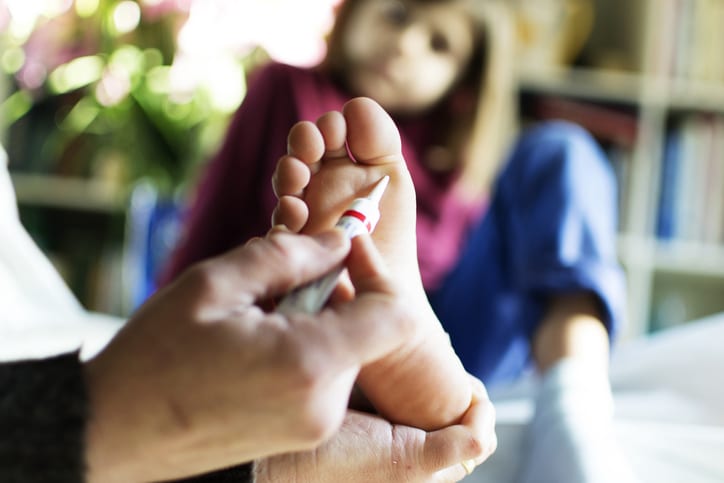
There are a variety of skin conditions that kids can develop during childhood, including warts. While you may be surprised to see a wart develop on your child’s skin, these growths can occur at any age. Warts usually don’t need to be removed unless they are painful or interfere with daily activities. Keep reading to learn more about the types, causes, and treatment of warts.

What are Warts?

Warts are small growths on the skin caused by an infection of the human papillomavirus (HPV). While they are not harmful, they are highly contagious and can spread very easily. They most often occur on the hands, feet, and fingers.

Warts

Types of warts include:

  • Common Warts: Common warts typically have a rough surface and appear on the fingers, elbows, knees, or face.
  • Plantar Warts: Plantar warts refer to warts that appear on the feet; they can appear in groups and are often painful.
  • Palmar Warts: These warts grow on the palms of the hands and can be painful.
  • Flat Warts: These smooth warts typically appear on the face.
  • Filiform Warts: Filiform warts are long, narrow growths that usually appear on the eyelids, lips, face, or neck.
  • Periungual Warts: This type of wart appears as thickened skin around the nail beds. They can become painful as the skin splits.

Causes of Warts

Warts develop when HPV viruses enter the skin via a cut or a scratch. These viruses can pass from person to person or from physical contact with contaminated objects such as a shower floor or a towel. Risk factors include having a weakened immune system or having frequent contact with other individuals who have warts.

To prevent the spread of warts, consider taking the following steps:

  • Practicing proper hygiene, such as frequent handwashing
  • Encouraging your child to wear sandals in locker rooms and shared showers
  • Avoiding the sharing of towels
  • Giving your child the HPV vaccine

Treatment of Warts

If your child has a wart, you may choose to leave it alone and see if it will eventually go away on its own, or you may choose to treat it. Sometimes, the treatment of a wart will require a combination of a few different methods. Treatment options include:

  • Freezing (cryotherapy)
  • Burning (electrocautery)
  • Surgical removal
  • Laser removal
  • Topical creams or injections

At-home treatment of warts includes the use of salicylic acid or a method involving soaking the wart in water and filing it down with an emery board or pumice stone.

Keep in mind that home remedies can take longer than removal at your doctor’s office, and no matter what method you use, warts can come back.

Always consult your child’s doctor before treating any wart on your child’s face or genitals, or if the wart and the skin around it is bleeding, painful, irritated, or looks infected.

If your child needs treatment for warts or another skin condition, please give us a call to schedule a visit with one of our friendly, board-certified pediatricians.

Urinary Tract Infection (UTI): Symptoms, Causes & Treatment

Urinary tract infections don’t just affect adults. Kids of all ages are also at risk of developing this painful and potentially serious condition. In fact, up to 8% of girls and 2% of boys will develop their first UTI by age 5. It is important to treat a UTI as soon as possible to prevent further complications such as sepsis or a kidney infection. Read on to learn more about the causes, symptoms, and treatment of pediatric UTIs.

What is a Urinary Tract Infection?

UTIs develop when bacteria from the skin or fecal matter gets into the urinary tract and multiplies. The lower part of the urinary tract includes the urethra, ureters, and bladder, but the infection can also spread up into the kidneys, becoming more serious.

Urinary Tract Infection

Symptoms of Urinary Tract Infection

Parents and caregivers can spot a UTI in their child by keeping an eye out for the following symptoms:

  • Painful urination
  • Burning or itching
  • Frequent urination
  • Holding in urine
  • Increased bedwetting or accidents
  • Pain in the lower stomach, back, or side
  • Foul-smelling urine
  • Cloudy urine
  • Blood in the urine
  • Fever
  • Fatigue
  • Vomiting or nausea
  • Diarrhea
  • Fussiness
  • Loss of appetite

A UTI diagnosis is usually confirmed via physical examination, patient symptom history, and a urine sample.

Causes of Urinary Tract Infection

A urinary tract infection develops when unwanted bacteria enters the urinary tract. UTIs are more common in girls, although some evidence suggests that uncircumcised boys under age one are also at higher risk. Other risk factors include any deformity or blockage of the urinary tract, poor hygiene habits, and a family history of UTIs.

UTIs can be prevented with frequent diaper changes, proper toilet training habits, and good hygiene— as well as avoiding strong soaps and bubble baths. Girls should be taught to wipe from front to back, and kids should be encouraged to use the bathroom as soon as they feel the urge to go, as holding in urine can increase the risk of developing an infection. Ensuring proper hydration and avoiding constipation will also help your kids avoid developing UTIs. Lastly, wearing cotton underwear is best to promote proper airflow and prevent bacteria growth.

Treatment of Urinary Tract Infection

It is important to treat a suspected UTI right away, since untreated UTIs can lead to kidney damage. Treatment typically involves oral antibiotics to treat the infection and possibly a numbing medication to prevent pain.

Be sure to give antibiotics exactly as prescribed and finish out the medication on schedule, even if symptoms improve. In addition, make sure your child is drinking plenty of fluids. Most urinary tract infections should clear up in about a week with proper treatment.

Kids who have developed a more severe infection may need to receive IV antibiotics in the hospital. This is typically done in cases where the child has a high fever, is severely dehydrated, or can’t stop vomiting, is at risk of developing a kidney infection, is younger than six months old, or if the infection has turned septic (reached the bloodstream).

Contact a child’s medical professional if you have any questions about UTIs and how to treat them.

If you suspect that your child may be exhibiting signs of a urinary tract infection, it is important to seek diagnosis and treatment to prevent the infection from worsening. Contact us today for a visit with one of our knowledgeable, board-certified pediatricians.

Fetal Alcohol Spectrum Disorder

Fetal alcohol spectrum disorders are fairly common in the United States, with some studies suggesting that as many as 5% of schoolchildren may be affected by one.

As with other developmental disorders, early diagnosis and intervention are key, and all parents and caregivers should be educated on the signs to look out for.

What is Fetal Alcohol Spectrum Disorder?

The term fetal alcohol spectrum disorder (FASD) refers to a group of conditions caused by exposure to alcohol in the womb before birth. This exposure can often happen before a woman even knows that she is pregnant.

Diagnoses that fall under the FASD umbrella include fetal alcohol syndrome (FAS), alcohol-related neurodevelopmental disorder (ARND), neurobehavioral disorder associated with prenatal alcohol exposure (ND-PAE), and alcohol-related birth defects (ARBD).

The effects of alcohol exposure in utero can include physical deformities, behavioral issues, and learning disabilities. Every child with FASD will be affected in different ways with a mix of these symptoms.

Fetal Alcohol Spectrum Disorder

Symptoms of Fetal Alcohol Spectrum Disorder

A child with Fetal Alcohol Spectrum Disorder may exhibit some or all of the following symptoms:

  • Poor growth
  • Low birth weight
  • Small head circumference
  • Lack of coordination
  • Developmental delays
  • Hyperactivity
  • Attention deficit
  • Poor memory
  • Trouble in school
  • Learning disabilities
  • Speech and language delays
  • Vision or hearing problems
  • Facial abnormalities (including wide-set eyes, thin upper lip, or flat nasal bridge)

While some signs of fetal alcohol spectrum disorder are present at birth, symptoms may worsen or become more apparent as the child grows and reaches school age.

Diagnosis of Fetal Alcohol Spectrum Disorder

Fetal alcohol spectrum disorder is most often diagnosed at birth or shortly after birth.

Doctors may suspect FASD by looking at your child’s symptoms in combination with their level of prenatal alcohol exposure. A diagnosis of FASD is usually confirmed by a physical exam and a psychological evaluation.

Your child’s doctor will most likely refer you to a developmental pediatrician or child psychologist for a complete evaluation. You will also need to find out more about the early intervention services offered by the state in which you reside. Usually, your child will need to undergo a free evaluation to see if they qualify. They do not need to be of school age to be able to take advantage of early intervention programs.

Treatment of Fetal Alcohol Spectrum Disorder

While there is no cure for fetal alcohol spectrum disorder, early intervention and other “protective factors” can make a positive impact on a child’s growth and development.

Treatment options for FASD include:

  • Medication
  • Behavioral therapy
  • Educational interventions
  • Parent education

Protective factors include:

  • Early diagnosis
  • Positive, loving family and home environment
  • Taking advantage of special education services and other resources

If you have concerns about your child’s growth and development, early diagnosis and treatment are important. Please call us today to undergo evaluation and testing with a board-certified pediatrician.

Childhood Asthma: Symptoms, Diagnosis, Treatment

Watching your child experience the symptoms of asthma or have an asthma attack can be one of the scariest things to witness as a parent. In this article, we’ve covered everything you need to know about the symptoms, diagnosis, and treatment of asthma.

What is Asthma?

Asthma is a chronic condition in which the lungs and airway become easily inflamed when exposed to common irritants such as pollen and other allergens. Symptoms can interfere with play, school, or sleep — and can even lead to dangerous asthma attacks.

Asthma triggers can vary from child to child and even change over time. You may find that your child’s symptoms are caused by pet dander, exposure to smoke, weather changes, cold air, dust mites, mold, pollen, and other common environmental triggers.

Risk factors for developing asthma include allergies, a family history of asthma, obesity, frequent pediatric airway infections, living in an area with a high level of environmental toxins or air pollution, and prenatal exposure to cigarette smoke.

Asthma often requires treatment from a licensed medical professional in order to get symptoms under control and prevent permanent lung damage.

Childhood Asthma

Symptoms of Childhood Asthma

The most common symptoms of childhood asthma include:

  • Frequent coughing
  • Coughing that worsens during illness, sleep, physical activity, and/or cold air
  • Whistling or wheezing while breathing
  • Shortness of breath
  • Chest congestion

Untreated and undiagnosed asthma can also lead to:

  • Trouble sleeping
  • Chronic fatigue
  • Delayed recovery from illness
  • The inability to participate in sports, exercise, or play
  • Asthma attacks

Your child may be experiencing an asthma-related medical emergency if:

  • Their chest and sides are pulling inward in an effort to breathe
  • They are experiencing an elevated heart rate, sweating, and chest pain
  • Your child’s nostrils are widening as they struggle to breathe in
  • Their trouble breathing is so severe they are having trouble speaking
  • Their face, lips, or fingernails are turning blue

Seek immediate medical attention if your child is experiencing severe trouble breathing.

Symptoms of asthma can mimic other common childhood conditions, such as bronchitis, so be sure to visit your child’s doctor for a full evaluation and proper diagnosis.

Diagnosis of Childhood Asthma

Asthma often starts during childhood, usually before the age of five. To help your child’s doctor make an accurate diagnosis, be sure to track your child’s symptoms to identify any patterns in their triggers, such as time of day or weather.

Potential diagnostic tools include:

  • Physical exam
  • Medical history
  • Chest X-ray
  • Lung function testing (such as spirometry)
  • Allergy testing
  • Bloodwork

Your child’s doctor may also suggest a trial run of asthma medications to see if it helps alleviate their symptoms.

Treatment of Childhood Asthma

One thing parents often want to know is if childhood asthma can be outgrown. While symptoms can be managed and asthma can become under control, there is no cure for asthma, and symptoms often persist into adulthood.

  • Avoiding triggers – The most common triggers include exposure to air pollution, cigarette smoke, dust mites, pet dander, pollen, or mold. Other triggers can include viral infections like the common cold, weather changes, cold air, and physical activity.
  • Lifestyle changes – Helping your child maintain a healthy weight, good diet, and regular physical activity can help their lungs work more efficiently and alleviate the symptoms of childhood asthma.
  • Medication – The most common treatment options for acute symptoms of asthma include rescue inhalers and nebulizers. Preventive medications, known as control medications, are also available. Childhood asthma medications are very efficient when used as prescribed. Call your child’s doctor to learn more.

If you think your child may have asthma, please schedule an office visit today to discuss diagnosis and treatment with one of our friendly, board-certified pediatricians.

Graves’ Disease: Symptoms, Causes, Treatment

Although you may have never heard of it, Graves’ disease affects many children and adolescents in the United States. Like its counterpart, Hashimoto’s disease, Grave’s disease is an autoimmune disorder affecting the thyroid and thyroid hormone levels.

Keep reading to learn more about Graves’ disease, its symptoms, and treatment options.

What is Grave’s Disease?

Graves’ disease is a chronic autoimmune disorder affecting the thyroid, causing the overproduction of thyroid hormone.

1 in 10,000 children in the United States has Graves’ disease. It is more common in girls than in boys and is usually diagnosed after the age of 5. Diagnostic tools include a physical exam, bloodwork, an ultrasound of the thyroid, or a radioactive iodine uptake test. Risk factors include a family history of autoimmune or thyroid disorders, stress, viral infections, and the use of certain medications that contain iodine. Other autoimmune disorders may be present in children with Graves’ disease, the most common being celiac disease.

Graves' Disease: Symptoms, Causes, Treatment

Symptoms of Graves’ Disease

Symptoms in children can be mild or severe and may include:

  • Enlarged thyroid (goiter)
  • Difficulty swallowing
  • Elevated heart rate
  • Elevated blood pressure
  • Heart palpitations
  • Eye pain, redness, or swelling
  • Hand tremors
  • Mood and behavior changes
  • Anxiety
  • Hair loss
  • Fatigue
  • Sweating
  • Weight loss
  • Trouble sleeping
  • Increased appetite
  • Frequent bowel movements
  • Heat intolerance
  • Bedwetting
  • Irregular menstrual cycles

Causes of Graves’ Disease

Graves’ disease is an autoimmune disorder and occurs when antibodies cause the thyroid gland to make too much thyroid hormone, also known as hyperthyroidism.

Risk factors for Graves’ disease include:

  • Being female
  • Family history of Graves’ disease or similar conditions
  • Viral infections
  • Stress
  • Use of iodine or medicines that have iodine
  • History of smoking
  • Down Syndrome or Turner Syndrome

The symptoms of Graves’ disease are caused by excess thyroid hormone in the bloodstream, and treatment consists of reducing the levels of thyroid hormone.

Treatment of Graves’ Disease

Thyroid medications and treatments can have side effects and should always be taken under the supervision of a licensed medical doctor. Treatment options include:

  • Anti-thyroid Medication–The most common and effective treatment for Graves’ disease is the prescription of anti-thyroid medication such as Methimazole. These medications help block the production of thyroid hormone, leading to better thyroid hormone regulation and the alleviation of symptoms.
  • Radioactive Iodine –Taken orally, this treatment destroys all or part of the thyroid gland, thus blocking the production of thyroid hormone. It is often used only if medications prove to be ineffective.
  • Surgery – In some cases, a thyroidectomy may be performed, which is a surgical procedure to remove the thyroid. Thyroid hormone must be taken for life after such a surgery to prevent issues with hypothyroidism (low thyroid hormone).

Graves’ disease is a lifelong condition that will likely require monitoring and medication management well into adulthood. Parents should keep an eye on their child’s symptoms and work with their child’s doctor to ensure the proper dosing of any treatments or medications. Contact your child’s doctor to discuss the various treatment options.

If you think your child may have Graves’ disease, please schedule an office visit today to discuss it with one of our friendly, board-certified pediatricians.

Autism Spectrum Disorder

Most parents have heard of autism, known today as autism spectrum disorder (ASD).

ASD affects approximately 1 in 50 children in the United States today, making it an important disorder for parents, teachers, and caregivers to be aware of. Early diagnosis and treatment through various therapies can help improve the quality of life of a child with ASD by alleviating some of their symptoms or behavioral challenges.

What is Autism Spectrum Disorder?

According to the Autism National Committee, ASD is characterized by “qualitative differences in the development of cognitive, language, social, or motor skills” that are usually “apparent before age 3.” Symptoms can be major, moderate, or mild, which is what has led to the classification of autism as a spectrum disorder.

Autism Spectrum Disorder

Causes of Autism Spectrum Disorder

While the cause of ASD has been largely speculated on for decades, modern medical evidence and research suggests that ASD is caused by irregularities in the development of the brain and central nervous system. Causes of these irregularities may include:

  • Genetic disorders
  • Chemical exposure
  • Viral infections
  • Environmental toxins

Research remains ongoing to identify the potential causes of a child developing ASD.

Symptoms of Autism Spectrum Disorder

ASD can present in many different ways and in varying degrees of severity, including:

  • Cognitive delays
  • Behavioral issues
  • Difficulties with social interactions
  • Delays with verbal/nonverbal communication
  • Repetitive behaviors
  • Learning difficulties
  • Sensory seeking behaviors
  • Trouble with motor coordination

Children with ASD may also display the following comorbidities:

  • Hyperactivity
  • Mood disorders or anxiety
  • Unusual eating and sleeping habits
  • Gastrointestinal issues
  • Epilepsy or seizure disorders

Parents of young children who have a concern should watch for the following:

  • Lack of eye contact
  • Not responding to name by 9 months
  • Not showing facial expressions by 9 months (e.g., happy, sad, angry)
  • Not playing interactive games by 12 months (e.g., peekaboo)
  • Not using gestures by 12 months (e.g., waving goodbye)
  • Not sharing interests by 15 months (e.g., showing you something they like)
  • Not pointing to objects or people by 18 months
  • Not noticing other’s emotions by 24 months
  • Not noticing other children or showing interest in playing with them by 36 months
  • Not incorporating pretend play into playtime by 48 months
  • Not singing, dancing, or acting by 60 months
  • Lining up toys or other objects in order
  • Echolalia (repetition of words or phrases)
  • Obsessive interests or patterns of play
  • Fixation on parts of objects (such as the wheels of toy cars)
  • Inability to adapt to minor changes in environment or routine
  • Unusual reactions to sensory stimulation (such as smells, sounds, or tastes)
  • Seeking sensory input (such as flapping the hands or rocking their body)

Please note: The above list of signs has been developed by the CDC to assist parents in seeking a diagnosis. Your child’s doctor or other medical professional may ask you about the presence of these symptoms or evaluate your child with a similar list. If you suspect ASD in your child, keep an eye out for these important signs and milestones above.

Treatment of Autism Spectrum Disorder

ASD is a lifelong condition. However, parents and caregivers can take action to support their children in having a better quality of life and the management of many symptoms.

These treatments may include:

  • Therapies – Depending on their unique symptoms, various therapies may be offered to your child, including behavioral, speech therapy, and physical therapy.
  • Special education programs – As a parent of a child with ASD, you will work closely with your child’s school or district to develop an educational plan. These programs often include a special focus on life skills, social skills, speech development, self-care, and job skills. Your child may be placed in a specialized class or may be allowed to remain in a “mainstream” classroom with additional support.
  • Medication – In conjunction with behavioral therapies, medicines may be given to help address specific symptoms or areas of concern in your child, such as GI issues or lack of sleep.

Keep in mind that many individuals with ASD are able to live independent or semi-independent lives as they gain skills and support during childhood.

If you think your child is displaying symptoms of autism spectrum disorder, or you have any other concerns about their development, give us a call today to schedule an evaluation with one of our knowledgeable, board-certified pediatricians. Early diagnosis and intervention can help improve your child’s behavior, development, and quality of life.

Common Cold in Children: Symptoms, Causes, Prevention, Treatment

With the prevalence of both COVID-19 and the flu, as well as many other viruses going around, parents often find themselves wondering how to tell if their child is suffering from a common cold or something else. We’ll cover everything you need to know about the symptoms, causes, prevention, and treatment of the common cold in this quick guide below.

Symptoms of the Common Cold in Children

Symptoms of the cold usually begin about one to three days after exposure and may include the following:

  • Runny nose
  • Congestion
  • Sneezing
  • Coughing
  • Sore throat
  • Watery eyes
  • Loss of appetite
  • Muscle aches
  • Headache
  • Low fever
  • Fatigue
  • Chills
  • Fussiness
  • Trouble sleeping

Symptoms of the common cold typically resolve in about four to ten days.

In comparison, flu symptoms are more severe and include a high fever with extreme fatigue.

Causes of the Common Cold in Children

The common cold is caused by a virus. There are more than 200 different types of viruses that can cause a cold, including rhinovirus, parainfluenza, adenovirus, and enterovirus.

Children who are attending preschool, daycare, and other childcare settings are more likely to catch the common cold. In fact, most kids, on average, will develop at least six to ten colds each year!

The common cold is spread through viral transmission, including airborne means (such as coughs and sneezes) and direct contact (such as sharing drinks or toys with an infected person).

Prevention of the Common Cold in Children

The number-one way to avoid catching the common cold is to practice good hygiene while staying away from those who are currently sick or recovering from a common cold themselves.

Don’t share food or drinks with someone who is infected, and be sure to wash your hands often when frequenting public spaces and large gatherings where you are likely to encounter people who may be infected.

If your child is sick, be sure to take measures to prevent the spread of the cold to the other members of your household. This may include quarantining the person who is ill, upping the dosage of vitamins in the rest of the family, and introducing more frequent handwashing.

Taking vitamins such as Vitamin C, Zinc, and Elderberry can be an effective and safe way to boost the immune system, helping to both prevent and treat the common cold.

Treatment of the Common Cold in Children

The most effective way to treat the common cold is with plenty of rest and lots of fluids.

Saline drops, cool mist humidifiers, warm baths, cough drops (for older children), and warm tea are some of the most common home remedies to help treat the common cold.

Medications can also be given as a way to help alleviate common symptoms while your child is recovering. The common cold cannot be effectively treated with antibiotics or any other prescription medications due to its viral nature, but your child’s pediatrician can assist with treatment options. Over-the-counter medications like acetaminophen or ibuprofen may be given to your child in accordance with the package directions for their age and weight.

(Please note: Children and teens should NOT be given aspirin, as it may be linked to the development of Reye’s Syndrome. In addition, OTC cough or cold medicines are NOT recommended for children younger than age six.)

Children with colds (especially those under age two) should be monitored closely for signs of severe illness, including dehydration, high fever, prolonged illness, or infection. Colds can develop into more serious conditions such as croup, pneumonia, or bronchitis. In addition, some children may get ear or sinus infections following a bout with the common cold.

When your child is experiencing symptoms of the common cold, a visit to the pediatrician can help. Give us a call today to meet with one of our friendly board-certified pediatricians.

Talking With Children About Disasters

Natural disasters affect the whole community, including those who only hear about them. It can be easy to forget that your kids might be picking up on some of the sadness and fear surrounding a local or even distant disaster such as a devastating tornado, wildfire, or hurricane.

Talking with your kids about natural disasters and the possible effects one may have on your family can help them remain calm and feel empowered in the event of such a disaster. It is important to give age-appropriate information that is practical and informative yet hopeful.

Reassure them of resources

Especially when talking with very young children, it can be helpful to remind them that when a natural disaster occurs, help is on the way. Emphasize the work that first responders do to keep them safe, as well as the steps you as a family are taking to stay prepared and stay safe.

For a small child, even a simple power outage can be scary, but how you handle it as a family can set a foundation of knowledge that will help drive out any panic or anxious feelings. Reassure them that crews are working hard at restoring the power and that you are there for them even in the dark. With older children, you can show them where emergency supplies are located, demonstrate how to use them if needed, and explain your family emergency plan.

Talking With Children About Disasters

Have a plan

Along those same lines, it is important that your family have a plan. In the event of a hurricane evacuation, where will you go? During a tornado warning, where is the best place in the home to hunker down? Be sure to clearly communicate the plan to older children and involve younger children in age-appropriate ways such as asking them what they would pack in their suitcase or which stuffed animal they would like to take into the storm shelter.

Limit media coverage

Whether the disaster is occurring locally or somewhere else in the world, it can be easy for kids to pick up overwhelming information from the news and other media. If you must follow along with important information, try to limit your child’s exposure to the news coverage and avoid graphic details and images.

Be available

Older children may have questions and want to know more about preparation or recovery efforts. Be sure to let your kids know that you are available to answer any questions and make the conversation about disasters an ongoing one. Help them identify and cope with their feelings, which may include fear, depression, or anxiety. Some of their fears may be based on invalid information, which you can then correct. If your child has been personally affected, it is important to be a listening ear to help them process their feelings about leaving behind friends, possessions, or other changes that may have occurred as a result of a natural disaster.

Assist with recovery efforts

After the storm has passed, it can be beneficial to involve your child in recovery efforts such as making cards for storm victims, taking blankets down to a local shelter, or making a monetary donation. Taking steps like these helps your kids connect with other families in the community. It also helps them to feel empowered and supported in the event that a disaster happens to them. Focusing on others helps to remove some of the fear and reframe your child’s experience into a positive one.

If you have any questions about how to best support your child through a difficult time in their life, give us a call today to set up a consultation with one of our board-certified pediatricians in Littleton.

Vaccine-Preventable Diseases

The introduction of immunizations has led to a major reduction in many childhood illnesses and has even eradicated many infectious diseases from the United States.

Below is a list of the vaccine-preventable diseases currently included on the CDC schedule or recommended to parents today.

Chickenpox

Chickenpox causes an itchy rash of blisters, fever, and fatigue. The disease can be serious and even life-threatening in babies, children, and those with weakened immune systems. Complications such as skin infections, dehydration, pneumonia, and encephalitis can occur. Currently, 2 doses of the chickenpox (varicella) vaccine are recommended for children, with 1 dose administered at 12-15 months and 1 dose administered at 4-6 years.

Vaccine-Preventable Diseases

Diphtheria

The diphtheria toxin, caused by the Corynebacterium diphtheriae bacteria, can cause trouble breathing, heart problems, and nerve damage. Diphtheria can be a very serious illness, especially in children younger than 5 years old. In fact, around 20% of children who get diphtheria will die. Immunization against diphtheria is included in the DTaP shot and is currently administered in 5 doses at 2 months, 4 months, 6 months, 15-18 months, and 4-6 years. An additional dose of Tdap is administered at 11-12 years of age.

Hepatitis A

The hepatitis A virus typically causes a fever, loss of appetite, stomach pain, and fatigue. In some cases, it can lead to severe liver disease. Children under the age of 6 typically don’t feel any symptoms, while older children and adults may experience symptoms for as long as 6 months. 2 doses of the hepatitis A vaccine are typically given, with 1 dose given sometime between 12-23 months of age, and another dose following 6 months after the first.

Hepatitis B

Hepatitis B infection can cause mild acute illness or a chronic lifelong infection that can lead to serious health problems and even liver cancer. Infants and young children typically do not show any symptoms. However, the virus can remain active in the body for the rest of their life. Three doses of the hepatitis B vaccine are typically given, with 1 dose at each of the following ages: shortly after birth, 1-2 months, and 6-18 months.

Hib (Haemophilus influenzae type b)

Hib disease is a serious illness caused by the Haemophilus influenzae type b (Hib) bacteria that can cause lifelong disability and even death. The most common types of Hib infection are meningitis and pneumonia. Babies and children younger than 5 years old are most at risk and often require extensive hospitalization and treatment. Three to four doses of the Hib vaccine are typically given with 1 dose at each of the following ages: 2 months, 4 months, 6 months (for some brands), and 12-15 months.

HPV (Human Papillomavirus)

HPV is a group of more than 150 related viruses that infect about 13 million people, including teens, every year. HPV is spread through sexual activity. In some cases, HPV infections can lead to certain types of cancer, including cervical cancer. Immunization against HPV is recommended between the ages of 11-12 in 2 doses approximately 6-12 months apart.

Influenza (Flu)

More than 7,000 kids are hospitalized each year due to infection with the flu virus and resulting complications (such as pneumonia). Symptoms of the flu include fever, chills, cough, sore throat, and body aches. The flu virus spreads rapidly and kills more than 100 children each year. Although not an official part of the vaccine schedule, annual immunization against the flu is highly recommended for everyone 6 months and older.

Measles

Measles is a respiratory disease that can cause a rash, fever, and diarrhea. In rare cases, it can be deadly or lead to complications, especially in babies and young children. Measles is more common in countries outside the U.S. but still spreads among travelers, which leads to occasional outbreaks. Immunization against measles is included in the MMR vaccine and is administered in 2 doses around the age of 12-15 months and again around ages 4-6.

Meningococcal

Meningococcal disease refers to any illness caused by the Neisseria meningitidis bacteria. Although not very common in the United States, infections can still occur, and children and teens are at increased risk. The most common types of meningococcal infections include infections of the brain and spinal cord (meningitis) and infections of the bloodstream. Currently, 2 doses of the meningococcal shot are recommended for preteens and teens.

Mumps

Mumps is a contagious viral disease that is mild in most cases but can lead to complications such as meningitis, deafness, or encephalitis. Immunization against mumps is included in the MMR vaccine and is administered in 2 doses around the age of 12-15 months and again around ages 4-6.

Polio

Although largely eradicated in the U.S., polio is a potentially serious viral disease that can lead to lifelong paralysis. Currently, 4 doses (at 2 months, 4 months, 6-18 months, and 4-6 years) of the polio shot are recommended as the best form of prevention against polio.

Pneumococcal

The pneumococcus bacteria can cause serious and even deadly infections like meningitis or pneumonia. Children under the age of 2 are at the highest risk, and treatment with antibiotics is not as effective as it used to be. The pneumococcal shot is typically administered in 4 doses at the age of 2 months, 4 months, 6 months, and 12-15 months.

Rotavirus

Rotavirus is a viral infection that can cause severe diarrhea and vomiting in babies and young children. Children may run a fever or become dehydrated, which can be very dangerous for infants. Two or Three doses of the rotavirus vaccine are typically administered in your child’s first 2-6 months of life in the form of oral drops — not a shot.

Rubella (German Measles)

Rubella is a viral illness that is usually mild and may present with a fever and a rash. Complications in children are not common, but in rare cases, brain infections and other issues can occur. Rubella is not common in the United States but can be acquired during travel abroad. Immunization against rubella is included in the MMR vaccine and is administered in 2 doses around the age of 12-15 months and again around ages 4-6.

Tetanus

Tetanus is a serious disease caused by a toxin produced by the Clostridium tetani bacteria. Tetanus can cause extremely painful muscle contractions and stiffness, breathing problems, or paralysis and can even become deadly. Unlike other vaccine-preventable diseases, tetanus is not spread from person to person but rather from exposure to the bacteria through breaks in the skin (such as stepping on a nail or getting bitten by an animal). The tetanus bacteria is found in soil, dust, and manure. Immunization against tetanus is included in the DTaP shot and is currently administered in 5 doses at 2 months, 4 months, 6 months, 15-18 months, and again at 4-6 years. An additional dose of Tdap is administered at 11-12 years of age.

Whooping Cough (Pertussis)

Whooping cough is a respiratory illness caused by the Bordetella pertussis bacteria. It can cause violent coughing fits and can quickly turn serious or even deadly in babies and young kids. Although the number of deaths due to whooping cough has dropped from around 8,000 per year before the vaccine to less than 20 today, outbreaks do still occur. Immunization against pertussis is included in the DTaP shot and is currently administered in 5 doses at 2 months, 4 months, 6 months, 15-18 months, and again at 4-6 years. An additional dose of Tdap is administered at 11-12 years of age.

If you have any questions or concerns about childhood immunizations, schedule an appointment today with one of our board-certified pediatricians.

High-Calorie Foods for Underweight Children

All-new parents quickly become very familiar with the CDC growth chart. As soon as a baby is born, “well visits” begin to track your child’s growth and ensure that they stay within a certain percentile. But is lack of weight gain in a child always a cause for concern? What can parents do to help their children gain weight? We’ve compiled a quick guide on high-calorie foods for underweight children that will briefly cover all of the important information you need to know.

What are some high-calorie foods for underweight kids?

While it can be tempting to fill your child’s diet with seemingly rich items like cake and cookies, it is important to make sure their calories are coming from healthy sources like the following:

  • Healthy fats like avocados, olive oil, or nut butters
  • Full-fat dairy including cheese, milk, and yogurt
  • Protein-rich foods such as eggs, beans, nuts, meat, and fish
  • Fortified foods with added vitamins such as juice, milk, and cereal
  • Whole-grain breads and pastas
  • Milkshakes and smoothies
  • Dark chocolate

High-Calorie Foods for Underweight Children

What else can parents do to help their underweight kids gain weight?

Parents who are worried about their child’s nutritional intake have a variety of other options to help their underweight kids gain weight. If your child is underweight or has been diagnosed as “failure to thrive,” consider adding an oral supplementation such as PediaSure. Babies and toddlers may be given a special formula designed for weight gain.

Monitor what your child is eating and make sure they are eating three full meals a day. Healthy snacks can be added between breakfast, lunch, and dinner but should never replace a meal.

Another easy fix is to simply increase your child’s portion size at each daily meal.

When is lack of weight gain a sign of a medical issue?

A child is officially considered underweight if their BMI is below the fifth percentile. Other signs may include a child whose ribs stick out or who does not grow out of their clothes seasonally.

If your child has been consistently underweight throughout all or most of their childhood, they might simply naturally fall on the lower end of the growth chart. You should be able to track their weight on the CDC growth chart and see if their percentile has remained steady over time.

On the other hand, if your child’s weight is due to a medical issue, you may see a sudden dip or fluctuations in their path on the growth chart. It could be a sign of a problem with nutrient absorption or other digestive concern. Other potential medical causes of lack of weight gain include thyroid disorders, issues with hormones, eating disorders, and even food allergies.

When in doubt, consult your child’s doctor in Littleton or a specialist to discuss the possibility of imaging tests and other diagnostic tools.

If you have any questions or concerns about your child’s diet, give us a call today to schedule an appointment with one of our friendly board-certified pediatricians in Littleton.

How to Start Baby Food?

A baby’s introduction to solid foods is one of the most significant milestones they will reach. With so much information out there, what is the best way to start baby food? We’ve compiled a quick guide that will briefly cover everything you need to know about baby’s first foods.

When to Introduce Baby Food

According to the American Academy of Pediatrics (AAP), solid foods should be introduced no earlier than four months. Most doctors recommend starting your baby on solid foods at around six months of age. There are a few key things parents should look for to determine if a child is ready to begin trying their first foods:

  • Has the ability to sit independently or with support
  • Shows an interest in food, such as opening the mouth when food is offered
  • Tries to grasp food and other small objects
  • No longer displays the tongue-thrust reflex

Baby Food

When all of these signs are present and your child is old enough, you can safely begin.

Baby’s First Foods

It is very important to start with healthy, soft foods that can be easily chewed and digested.

Pureed fruits, vegetables, and meats are the most common options for introducing new foods.

Some parents prefer to avoid pureed baby food and instead let their child experiment with feeding themselves real whole foods like fruits, vegetables, cheese, pasta, bread, or chicken.

Common first foods for babies include mashed potatoes, oatmeal, avocados, apples, bananas, squash, and sweet potatoes. In addition, fortified cereals or puff snacks made just for babies offer an alternative to pureed foods.

How to Start Baby Food?

Many parents choose to start their children off with soft, pureed foods such as prepared baby foods or cooked foods made at home. In fact, parent-initiated spoon-feeding is the official recommendation of the AAP. Advantages include less mess, parent-child bonding time, and the ability to control how much your child eats.

On the other hand, baby-led weaning (BLW) is another popular method of introducing solid foods to your little one. BLW focuses on introducing finger foods rather than starting with purees. This method gives your child more control over what they eat, when they eat, and how much they eat. Because your baby is not being spoon-fed, they are able to better learn how to chew and swallow on their own. They are also able to practice their fine motor skills by using their pincer grasp to self-feed. BLW also encourages kids to try a variety of textures and flavors.

No matter how you choose to begin feeding your child, it is important to introduce new foods one at a time, with a waiting period of at least two to three days between new foods to watch for any allergic reactions, digestive issues, or other adverse reactions.

Be sure to watch out for common choking hazards such as carrots or grapes, and carefully prepare foods for your baby that are safe for them to eat. For example, cylindrical foods like hot dogs and string cheese should be cut into short, thin strips rather than round pieces that could get stuck in your child’s airway. Always supervise your child during mealtimes and make sure they only eat while sitting completely upright.

Always offer your baby a variety of nutritious whole foods such as fruits, whole grains, yogurt, cheese, meats, and vegetables, and be sure to model a healthy diet to your children.

When in doubt, check with your child’s pediatrician in Littleton to see what type of diet is right for your little one.

If you have any questions or concerns about your child’s diet, give us a call today to schedule an appointment with one of our friendly board-certified pediatricians in littleton.

Seizures in Children: Diagnosis, Causes, Signs & Treatments

Watching your child experience the symptoms of a seizure can be one of the scariest things a parent can go through. However, seizures can be quite common at any age, and approximately 10% of the population will experience at least one seizure in their lifetime. Even infants and young children can experience seizures. We’ve compiled everything you need to know about childhood seizures in this quick guide:

Signs of Seizures in Children

The symptoms of seizures can vary widely depending on what part of the brain is being affected. Seizures can occur at any time of the day, and your child may be awake or asleep.

Signs of seizures in kids include:

  • Convulsions
  • Tremors or muscle spasms
  • Syncope (fainting)
  • Rapid eye movement
  • Irregular breathing
  • Blue lips or skin
  • Confusion
  • Lethargy
  • Unresponsiveness
  • Staring into space
  • Incoherent speech
  • Atypical heart rate
  • Visual disturbances
  • Digestive upset
  • Headaches
  • Body aches
  • Dizziness
  • Stiffening of the body
  • Loss of bowel or bladder control
  • Sudden falls
  • Memory gaps
  • Unusual clumsiness
  • Dazed behavior
  • Uncontrollable crying or laughing
  • Rapid blinking
  • Gagging
  • Sweating
  • Nausea

There are many different types of seizures, each with its own unique presentation. This is why testing is often required to make a diagnosis. A medical professional can help you determine whether or not an event your child experienced was, in fact, a seizure.

Causes of Seizures in Children

A seizure is caused by unusual electrical activity in the brain. If your child experiences a seizure, it may be a one-time event or a sign of an underlying medical condition like epilepsy or heart issues. Seizures can also have external causes that trigger them, including fever, illness, brain injury, hypoglycemia, and withdrawal from drugs or alcohol.

Seizures that occur in the absence of these triggers are known as unprovoked seizures and may be an indicator of epilepsy, a neurological disorder that results in multiple unprovoked seizures.

Diagnosis of Seizures in Children

If a seizure is suspected, your child’s doctor may order an imaging test like an MRI or CT scan in addition to a test that measures electrical activity in the brain like an EEG. Although they can seem frightening to a child, all of these tests are painless, safe procedures with minimal risks.

A neurological exam may also take place to assess any signs of brain impairment. This exam may evaluate several parts of neurological function, including memory, strength, sensation, reflexes, and coordination.

Treatment of Seizures in Children

While childhood seizures can be quite scary, they can be managed with medication in many cases. These medications are preventative and cannot stop a seizure that has already begun.

In some cases, other treatments may be necessary depending on the underlying cause. Such treatments may include special diets (such as a ketogenic diet), neurostimulation, and surgery.

Children who are especially prone to seizures should carry a medical alert card or wear medical alert jewelry to help inform potential caregivers and medical professionals of their condition.

If you suspect your child may be experiencing a seizure, place them safely on their side to help ensure that their airway remains clear and open. Never try to restrain a person who is having a seizure and do not place anything in their mouth. This could result in injury.

Take care to ensure that your child is properly supervised both during and after a seizure, watching for signs that may require further medical attention, such as unresponsiveness, trouble breathing, a change in color, or a seizure lasting more than five minutes. Choking and other secondary injuries can also be common during a seizure and may require treatment.

If you have any questions or concerns about childhood seizures, give us a call today to schedule a visit with one of our friendly pediatricians in Littleton.

Down Syndrome – Causes, Symptoms & Treatment

Down Syndrome screening takes place in most pregnancies, especially in pregnancies with advanced maternal age. However, few parents know exactly what to expect should their child be born with Down syndrome. We’ve compiled everything you need to know about Down syndrome in this quick guide.

What is Down Syndrome?

Down syndrome is a genetic condition caused by an extra copy of chromosome 21. Signs of the disorder are typically present at birth, and diagnosis may even take place in the womb.

Down syndrome

Down syndrome occurs in about 1 in every 700 live births. Screening often takes place during pregnancy, especially when the mother is over the age of 35. Blood tests and advanced ultrasounds can let expecting parents know the likelihood of their child being born with Down syndrome.

Down syndrome impacts a person’s physical features, cognitive abilities, and overall development. It also increases the likelihood of developing some other health conditions like vision disorders, seizures, hearing loss, and hypothyroidism. In addition, approximately half of all Down syndrome children are born with a congenital heart defect that may require surgery.

Symptoms of Down Syndrome in Children

Signs of Down syndrome in kids include:

  • Poor muscle tone
  • Short stature
  • A flat nasal bridge
  • A protruding tongue
  • Small ears
  • An upward slant to the eyes
  • A flattened face
  • Almond-shaped eyes
  • Small hands and feet
  • Palmar crease (line on the palm)
  • Lazy eye
  • Loose joints
  • Short neck with excess skin

In addition, children with Down Syndrome may experience developmental delays, learning difficulties, and behavioral issues such as hyperactivity or trouble focusing in school.

Causes of Down Syndrome in Children

Down syndrome is a genetic condition most often caused by an extra copy of chromosome 21.

This extra copy of chromosome 21 is known as Trisomy 21 and is caused by abnormal cell division during the formation and development of sperm or egg cells. Less commonly, Down syndrome can be caused by part of chromosome 21 becoming attached (or translocated) to another chromosome during cell formation, resulting in extra material from chromosome 21.

While Down syndrome does not usually run in families and is not hereditary, there may be some links to genetics in cases of Down syndrome caused by translocation.

Risk factors for a child being born with Down syndrome include advanced maternal age, being genetic carriers of the translocation for Down syndrome, and having already had another child with Down syndrome.

Treatment of Down Syndrome in Children

While Down syndrome has no cure, symptoms and behavioral issues can be managed. Early intervention is especially helpful in improving the lives of children born with Down syndrome.

A team of specialists such as physicians, physical therapists, speech therapists, and occupational therapists can help your child thrive. Kids with Down syndrome should be eligible to receive extra support at school and may be given an Individualized Education Program (IEP) to help them succeed. Developmental delays are common but can be overcome with the right services.

A person with Down syndrome should be able to live a healthy and fulfilling life that includes attending school, living and working semi-independently, and even getting married.

In some cases, surgery or medication may be required to treat accompanying health conditions such as heart defects.

If you have any questions about Down syndrome, give us a call today to schedule a visit with one of our friendly board-certified pediatricians in littleton.