The Importance of Regular Pediatric Doctor Visits

Did you know that kids should be visiting the pediatrician regularly even if they aren’t sick?

Regular pediatric well-visits can help parents monitor their child’s growth and development, ensure their child is reaching all of their milestones, screen for any medical issues, establish a good relationship with your child’s pediatrician in Littleton, and set a foundation for healthy habits in life.

We’ve compiled a quick guide to the importance of keeping up with regular doctor visits.

Importance of Regular Pediatric Doctor Visits

What are the Benefits of Regular Pediatric Visits?

There are many benefits to ensuring your child keeps up with regular pediatric visits, including:

Keeping up with immunizations – In addition to visiting the doctor when sick, most kids will visit the pediatrician on a regularly scheduled basis to obtain their immunizations.

Monitoring for growth and development – One of the main reasons for regularly scheduled pediatric visits is to check on the status of your child’s growth and development while comparing their height and weight against CDC growth charts. These regular visits can help catch any issues early and address them properly.

Monitoring for mental health issues – Similarly, regular pediatric visits can help give parents an opportunity to address any social, behavioral, or emotional concerns. Early signs of mental health issues can be considered and evaluated for proper treatment.

Developing healthy habits – Kids who see the pediatrician often will hopefully grow up into adults who don’t fear visiting the doctor when something is wrong. Parents can help set the stage for their child’s future health and wellness by encouraging frequent doctor well-visits from an early age.

Ensuring early invention – Getting the opinion of a medical professional early on in the course of a suspected illness or disorder can lead to improved patient outcomes. Early intervention is key for the treatment of many conditions, and pediatricians may spot symptoms that parents miss. Regular pediatric visits help ensure that any condition is caught early on.

Obtaining referrals – From time to time, your child will need to see a specialist for the diagnosis or treatment of a medical condition or illness. Visiting your child’s pediatrician for a trusted referral is often the first step in the process.

Benefiting from expertise – Doctors who specialize in children are able to assist families in receiving the proper diagnosis and treatment of pediatric illnesses and disorders, while educating parents on proper childhood growth and development.

Building a relationship – Both you and your child will develop a relationship with your pediatrician if you keep up with regular visits. This is important for building trust in both you and your child when your child’s doctor recommends treatment options or must give your child a shot.

Getting answers to questions – Pediatricians are also meant to be a valuable source of parental guidance on a variety of topics on everything from how to set up a proper sleep schedule to how to ensure your kids are behaving well in school.

To benefit from the points above and keep up with your child’s growth and development, please contact us today to schedule an appointment with one of our friendly pediatricians.

Newborn Brain Damage – Causes, Symptoms, and Treatment

In the United States, newborn brain damage affects every 3 in 1,000 live births. This serious health concern can lead to lifelong consequences for your child and your family.

Signs and symptoms of brain damage in newborns may be mild and delayed or they may be obvious from birth. Treatment and intervention should begin as soon as possible to help your child adjust to any challenges and developmental delays.

Newborn Brain Damage Causes, Symptoms, and Treatment

What Causes Brain Damage in Newborns?

Brain damage is most often caused by some type of traumatic brain injury, such as that which sometimes occurs at birth. During a traumatic birth, a child’s skull and brain may sustain an injury if the head becomes stuck in the birth canal or if forceps are used with too much force.

In addition, asphyxiation can deprive the brain of oxygen and is often caused by complications during birth. Nearly half of all instances of brain damage acquired during childbirth are caused by asphyxiation.

In some cases, brain damage that occurs during birth is a preventable accident resulting from a medical professional’s error or negligence.

Other causes of brain damage in newborns includes impaired fetal brain development, maternal infections or medical conditions during pregnancy, maternal drug or alcohol use during pregnancy, and genetic conditions.

For example, maternal preeclampsia (characterized by high blood pressure and high protein levels) is a common condition during pregnancy that can result in newborn brain damage.

Symptoms of Brain Damage in Newborns

Whether it is caused by birth trauma, complications during pregnancy, or a genetic condition – the signs of brain damage in newborns are as follows:

  • Small head or skull
  • Large forehead
  • Abnormal eye movement
  • Facial feature defects
  • Seizures
  • Neck stiffness
  • Spinal malformation
  • Irritability / fussiness
  • Excessive crying
  • Difficulty feeding
  • Difficulty sleeping

Early signs of brain damage in newborns may be missed if the brain damage is mild, and in some cases, symptoms may not present until your child is much older. Older children may experience the affects of brain damage in the following ways:

  • Cognitive impairments
  • Developmental delays
  • Sleep disorders
  • Light sensitivity
  • Tremors / muscle spasms
  • Fatigue
  • Low pain tolerance
  • Behavioral, social, or emotional issues

 Diagnosis of Brain Damage in Newborns

The first line of testing for a suspected case of brain damage is the use of imaging such as CT scans and MRIs. A medical history in conjunction with a physical exam and a thorough review of symptoms can also be enough to diagnose a case of brain damage.

Treatment of Brain Damage in Newborns

If asphyxiation occurred during birth, a treatment known as hypothermic treatment can help reverse some of the damage caused by oxygen deprivation. However, this treatment must be undertaken shortly after the damage was sustained.

In most cases, treatment of brain damage in newborns consists of symptom management.

While your child may not ever be able to fully recover from the brain damage they were born with or sustained at birth, there is still much that parents and caregivers can do to lessen the impacts of cognitive impairment and developmental delays in their children.

For example, educational interventions, physical therapy, occupational therapy, and speech therapy can all help a child with cognitive challenges or developmental delays.

If your baby has been affected by brain damage, our friendly board-certified pediatricians in Littleton have the knowledge and experience needed to assist your family with your unique healthcare needs. Give us a call today to schedule an appointment.

Gum Disease in Children

Oral health is an important part of your child’s overall health, it is critical to address any conditions immediately with your child’s dentist. Gum disease can affect kids of any age and should be quickly addressed in order to prevent the development of further problems.

We’ve complied a quick guide to identifying, preventing, and treating gum disease in children.

What is gum disease?

Gum disease, also known as periodontal disease, is an infection of the tissues in the mouth.

Although gum disease is more common in adults, kids are most commonly affected by gum disease in its mildest form, called gingivitis.

Symptoms of gum disease primarily manifest in the gums, although some effects on the teeth may be present.

Gum Disease in ChildrenWhat does gum disease in children look like?
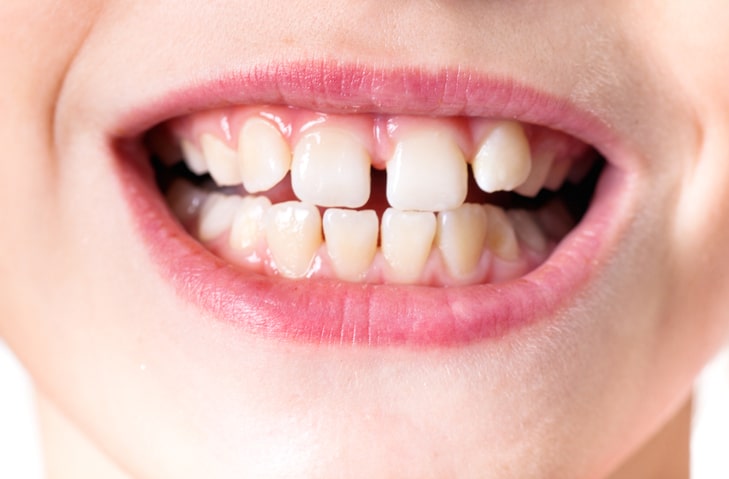

In children, the symptoms of gum disease include:

  • Bleeding gums
  • Discolored gums (healthy gums are pink)
  • Swollen gums
  • Tender gums
  • Bad breath
  • Loose teeth
  • Toothaches
  • Receding gums
  • Overbite or underbite
  • Pain when chewing

These symptoms often worsen when your child brushes their teeth. For example, bleeding in the gums can temporarily occur during a brushing session.

What are the reasons for gum disease in children?

Although genetics plays a part, the most common cause of gum disease in children is poor oral hygiene. The development of gum disease begins with plaque – a sticky film that forms on the teeth as a result of oral bacteria and food particles. Plaque forms quickly and can harden under the gumline (becoming tartar) if not removed with proper daily brushing. Plaque and tartar can cause significant damage to the teeth and gums if not addressed, and the formation of tartar under the gums requires a professional dental cleaning.

Risk factors for gum disease in children include:

  • Obesity
  • Vitamin deficiencies
  • Genetics
  • Hormonal changes
  • Certain medications
  • Conditions that decrease immunity (such as leukemia)
  • Poor oral hygiene

How can parents help manage gum disease in children?

Thankfully, mild gum disease (gingivitis) is reversible and there is a lot that parents can do to support their child’s oral health. A regular routine of brushing, flossing, and dental visits can help prevent and treat gum disease in kids.

Later stages of gum disease become periodontitis and often require significant professional intervention to treat. If left untreated, tissue and bone loss can occur, and the infection can damage your overall health, affecting other parts of the body.

If you suspect your child may have gum disease or have any questions about their oral health, give your family dentist a call or contact us today to speak with one of our pediatricians in Littleton!

Teeth Grinding in Children

Teeth grinding in children is more common than most parents might think. It is most often due to improper alignment or teething pain when teeth are growing in. Stress or anxiety can also be a contributing factor in teeth grinding, even in very young children. In most cases, young children who grind their teeth grow out of it by the age of 5 or 6. However, medical intervention may be needed for some children. Keep reading for everything you need to know about teeth grinding.

Teeth Grinding in Children

What is teeth grinding?

The habitual grinding or clenching of the teeth is also known as bruxism and can cause a wide variety of complications, including headaches, jaw pain, sensitive teeth, and other oral health problems.

What does teeth grinding in children look like?

Children who grind their teeth may have trouble getting enough restful sleep at night. They may wake up complaining of ear, tooth, or jaw pain and may also experience pain when eating.

Although teeth grinding most often takes place at night, it may also occur during the day, especially if caused by underlying stress or teething pain. Children may also clench their teeth in addition to grinding them, often without even realizing it.

What are the reasons for teeth grinding in children?

Bruxism in children can be caused by a variety of factors, including emotional disorders such as anxiety or depression, and physical causes such as teething pain or misalignment of the teeth.

It is also commonly seen in children with hyperactivity disorder or other behavioral issues.

How can parents help manage teeth grinding in children?

Treatment of bruxism depends on the underlying cause of the teeth grinding. In many cases, there may not be much that parents can do to help their kids manage the tendency to grind their teeth. The good news is that most kids outgrow the tendency to grind their teeth by the age of 5 or 6.

Aside from reducing stress and treating any underlying mental health disorders or teething-related pain, the majority of treatment will likely focus on soothing the pain associated with bruxism. Children who grind their teeth at night often wake up with sore facial muscles the next day. Caregivers can apply heat or ice, massage the jaw and neck, assist their kids with physical therapy exercises for the mouth and jaw, and help teach their kids relaxation techniques.

In some cases, a mouthguard designed for overnight use may be able to assist parents in preventing teeth grinding at night. Parents may also want to consider a visit to their family dentist to check for tooth or jaw misalignment and any other oral health concerns.

If you have questions or concerns about your child’s teeth grinding, give us a call today to meet with one of our knowledgeable local pediatricians in Littleton!

Dental Health & Hygiene for Young Children

Oral health is extremely important for your child’s overall health. Parents can help set the stage for proper oral hygiene and dental health in their kids from a very young age. The things you teach your children now are the same healthy habits they will take with them into adulthood. Keep reading for a few quick tips on dental health and hygiene in young children.

Dental Health & Hygiene for Young Children

When should a baby visit the dentist for the first time?

Your child should have their first dental appointment by their first birthday or soon after their first tooth appears. This helps ensure that kids get used to visiting the dentist and sets up a strong foundation for good oral health.

After their first visit, kids should see the dentist for checkups and cleanings every six months. With regular dental visits, any potential issues can be identified and treated early on.

When do you start brushing your child’s teeth?

By the time their first tooth erupts, your baby should already be used to the feeling of having their gums brushed. Parents should begin gently brushing their child’s teeth with a washcloth or baby toothbrush from a very early age. Your child will then require assistance with brushing their teeth for several more years, at least until they reach elementary school.

What does proper oral hygiene in kids look like?

Establishing a proper oral hygiene routine from an early age will help set your child up for success later in life. But what does proper oral hygiene in kids look like?

The American Dental Association recommends that kids (and adults) brush their teeth at least two times a day for two minutes each time, ideally once in the morning and again in the evening.

Kids should brush their teeth with a soft-bristled toothbrush designed for their age and use only a pea-sized amount of toothpaste. Your child’s toothbrush should be replaced every three to four months for maximum effectiveness and oral hygiene, or sooner if it shows significant signs of wear.

Cavities in baby teeth can still have an effect on your child’s oral health and the alignment of their permanent teeth, so don’t make the mistake of thinking that your toddler’s tooth decay doesn’t matter. Parents should still take steps to avoid cavities in baby teeth, such as limiting sugary drinks and candy.
.
When can my child brush their teeth on their own?

While every child’s maturity level is different, kids typically need help brushing their teeth until around age six to eight and still require adult supervision between the ages of eight and ten. You want to ensure that they are brushing their teeth long enough, with the right amount of toothpaste, and using the proper technique. Your child will most likely require assistance with flossing until around the age of ten as well.

If you have questions or concerns about your child’s oral health, give your family dentist a call or contact us today to schedule an appointment with one of our friendly pediatricians!

Diet Tips to Prevent Dental Problems

Eating the right foods can help prevent gum disease, keep teeth free from decay, and contribute to overall oral health. For example, foods that increase saliva are a natural defense against cavities because saliva neutralizes the acids from food that can harm your child’s teeth. Keep reading to learn more about how a healthy diet can help prevent dental problems in kids.

Diet Tips to Prevent Dental Problems

Get Plenty of Fiber: Fiber-rich foods like leafy greens and other fruits and vegetables will help keep your child’s teeth and gums clean, according to the American Dental Association (ADA). These foods get saliva flowing and prevent oral bacteria.

Increase Dairy Intake: Cheese, milk, and other dairy products help your teeth by replenishing minerals and rebuilding enamel. They also help fight plaque by producing saliva. The calcium and phosphorus found in dairy are needed to re-mineralize teeth and prevent enamel loss.

Avoid Sweets: Sugary foods and drinks (especially sticky candies like caramel and lollipops) are especially harmful to your child’s enamel. If you must give a sweet treat, it is important to rinse your child’s mouth out immediately after consuming these foods. In addition, try to stick to chocolate or dark chocolate, which washes off the teeth more easily and comes with a whole host of other health benefits.

Avoid Sugary Drinks: Carbonated soft drinks are one of the worst sources of sugar and are also highly acidic. Juice is also bad for your child’s teeth due to the high amounts of both natural and added sugars. As much as possible, avoid giving these drinks to young children and offer plenty of water between meals. Drinking water helps to wash away food particles from the teeth.

Avoid Carbs and Starches: Similarly, eating too many carbohydrates and starchy foods can also negatively affect your child’s oral hygiene. This is because bacteria in the mouth convert carbs to acids that wear down enamel and begin to promote tooth decay.

Limit Snacks: The more times your child eats throughout the day, the more at risk they will be for oral health problems. Frequent snacking gives bacteria constant fuel and does not give enough time for saliva production to restore the ideal oral environment. Try to limit your child’s snacking as much as possible, and be sure to brush their teeth after every snack or meal.

The foods and drinks that you offer your child go a long way toward creating either a healthy oral environment or one that places them at increased risk of cavities, gum disease, and decay. Encouraging your kids to make healthy choices now will set them up for success in adulthood.

If you have questions or concerns about your child’s oral health or diet, give us a call today to schedule an appointment with one of our friendly board-certified pediatricians!

Sleeping Tips for Kids

Parents play an important role in helping their kids establish healthy sleeping habits that will hopefully stick with them for the rest of their lives. Kids and teens need predictable bedtime routines, age-appropriate bedtime schedules, comfortable sleeping environments, and more. Keep reading for a quick breakdown of healthy sleep tips.

Sleeping Tips for Kids

Create a Routine: Bedtime routines are not just for infants and toddlers. Having a predictable routine helps kids of all ages wind down before bedtime and enjoy a more peaceful night’s sleep. It is also the perfect time to ensure that kids brush their teeth and attend to other matters of personal hygiene. Younger children often enjoy a warm bath and a bedtime story to help them get ready for sleep. Routines for older children and teens could include listening to music, reading a book by themselves, or talking with a parent about their day.

Have a Bedtime: Having a set bedtime each night is one of the best things you can do to help support your child’s natural circadian rhythm. Although your child does not have to fall asleep right at this time, they do need to be in their room with the lights out. Kids can engage in a quiet activity such as talking with a parent or sibling or reading a book in bed. You can calculate your child’s ideal bedtime by looking at the time they need to wake up for school and cross-referencing their age with their ideal amount of sleep. For example, an eleven-year-old who has to wake up at 7 a.m. should be in bed by 10 p.m. at the latest.

Unplug: For older kids and teens, it is especially important to enforce a technology curfew. Phones, laptops, and other electronic devices should be turned off or put away at least one hour before bed. Not only are phones a distraction, but the blue light emitted from screens has a negative effect on the body’s natural circadian rhythm. Excessive exposure to blue light can cause sleep and mood disorders, as well as affect your child’s hormones.

Don’t Change Bedtimes: As tempting as it may be to let your child stay up late on weekends and school holidays, you don’t want their sleep patterns to stray too far from their regular bedtimes and wake-up times. As much as possible, try to enforce a bedtime that falls within an hour or so of your child’s usual schedule, even on holidays and weekends.

Ensure a Comfortable Room: Kids should have a quiet and restful place to fall asleep, with dim lights and a comfortable mattress. Younger children may request a nightlight or a sound machine to help them fall asleep. Consider playing soft music at bedtime and avoid keeping a TV in the bedroom. In fact, your child’s room should be a screen-free zone after their lights-out time. Lastly, make sure the temperature in your child’s room is tolerable, and consider adding a fan, heater, or cool mist humidifier if needed.

If you have any questions or concerns about your child’s sleeping habits, give us a call today to schedule an appointment with one of our friendly board-certified pediatricians.

Gluten-Free Food Shopping Tips for Parents

Whether your child has celiac disease, a wheat allergy, or a gluten sensitivity, there are an increasing number of gluten-free and gluten-friendly products on the market for families to choose from today. Follow these 7 tips to make your next grocery shopping trip a breeze.

Gluten-Free Products Shopping

Read the Labels

In the United States, all food products containing common allergens (including wheat) must be labeled as such. Look for a bold section underneath the ingredients list to identify the presence of wheat in the product at a glance and learn to spot the other common names that indicate the presence of gluten. Keep in mind that gluten can be added to products that you might not expect, such as soy sauce or soup. Be on the lookout for these ingredients:

  • Malt
  • Barley
  • Rye
  • Brewer’s yeast
  • Wheat (including spelt, emmer, farro, and durum)

Lastly, watch out for labels that say “may contain” or “made on shared equipment with wheat/gluten,” especially if your child is particularly sensitive to gluten.

Look for the Gluten-Free Aisle

Most health food stores (and even some big-name grocery stores) have singled out their gluten-free products and created a special section for them. This makes shopping for safe products even easier for parents and kids who need to stick to a gluten-free diet. Manufacturers today have become increasingly focused on offering gluten-free alternatives to everything from cookies and cake to pasta and bread. Additionally, most gluten-free food products will be marketed and labeled as such in order to make them easy for consumers to identify.

Shop the Perimeter

Sticking to whole, natural foods like those located around the grocery store’s perimeter will help you avoid the presence of gluten, which is so often found in processed foods. Be sure to stock up on healthy groceries like fruits and vegetables as well as meat and dairy products.

Look for Alternatives

Even if your grocery store does not have a designated gluten-free aisle, it is important to know what products to look for that can substitute for your favorite staples. For example, if your child has a taste for pasta, you can stock up on varieties made from rice, quinoa, or chickpeas.

Consider New Stores

For a better selection of gluten-free products, consider shopping at your local health food store such as Whole Foods or Sprouts. These stores provide consumers with much more variety to choose from, especially when it comes to gluten-free alternatives to childhood favorites like cakes, cookies, crackers, pizza, or macaroni.

Shop Online

Alternatively, you can order some of your child’s favorite gluten-free products online from places like Amazon or natural online grocers like Thrive Market. Not only will this give you access to a better product selection, but it should also save you time and money, especially if you order in bulk.

Download an App

There are several apps designed to help gluten-sensitive shoppers and diners locate the safe products they have been looking for. Some of these include Find Me Gluten Free, The Gluten Free Scanner, ShopWell, and AllergyEats.

Parents can also search the GFCO Product Directory to find the products and brands that have gone through the Gluten-Free Certification Organization’s detailed product testing and earned the GFCO certification.

If you have questions or concerns about your child’s gluten-free diet, give us a call today to schedule an appointment with one of our friendly board-certified pediatricians in Littleton!

Common Food Allergies in Children

Food allergies are becoming an increasingly common issue in babies and young children today.

Allergies are an overaction of the body’s immune system to a suspected foreign intruder. Food allergies can cause minor symptoms such as a diaper rash or can cause a serious and potentially life-threatening reaction known as anaphylaxis.

Common Food Allergies in Children

Kids who suffer from food allergies should remain under the care of an experienced pediatrician or allergist to manage their allergy treatment plan.

Things to discuss with your child’s doctor include allergy testing, allergy shots, obtaining a prescription for an EpiPen, and creating an allergy action plan for school and other childcare settings. Your allergy action plan will cover when to give over-the-counter treatments such as Benadryl for an allergic reaction, and when to reach for an EpiPen. Your doctor can also help you figure out ways to avoid the allergen in your child’s diet.

The most common foods that children can develop an allergy to include:

Milk: Cow’s milk is a common allergy among babies and toddlers, causing many parents to have to switch to a different type of infant formula. Cow’s milk can cause symptoms like colic, vomiting, diaper rash, and eczema in babies with a milk sensitivity or allergy.

Soy: Many children who are allergic to milk are also allergic to soy. If your baby cannot tolerate cow’s milk or soy formula, your pediatrician can recommend alternatives such as a hydrolyzed protein formula or an amino acid elemental formula.

Eggs: About 2% of kids will experience an allergic reaction to eggs, but many will outgrow this allergy by the time they reach their teenage years. Most children who react poorly to eggs are allergic to the protein that is found in the egg white. Some kids are able to tolerate egg yolks or small amounts of eggs in baked goods, since the cooking process breaks down this protein.

Peanuts: Peanuts represent one of the most common (and most dangerous) food allergies in kids. Even a small trace of peanuts can cause a severe and life-threatening allergic reaction in a child with a peanut allergy. Therefore, parents of a child with a peanut allergy must be extremely diligent when dining out and must carefully read food labels in order to avoid cross-contamination.

Tree Nuts: Children with a peanut allergy are also more likely to have a tree-nut allergy. Tree nuts include walnuts, pecans, cashews, Brazil nuts, almonds, and hazelnuts. While kids may be allergic to just one or all tree nuts, it is probably beneficial to just avoid the entire tree nut family, as cross-contamination can be very common. A tree nut allergy can be just as serious as a peanut allergy, so if your child has these allergies, it is best to use extreme caution.

Wheat: Wheat or gluten sensitivity is another common food allergy that shows up often in kids. Symptoms may range from a minor reaction to full-blown Celiac disease. These allergic reactions may lessen as the child grows older.

Please note: In addition to carrying potential remedies such as Benadryl and an EpiPen, parents should become educated on reading food labels and must learn how to avoid cross-contamination in processed foods and when dining out.

If you suspect any food allergies or have any questions about your child’s diet, give us a call today to schedule an appointment with one of our board-certified pediatricians.

Common Summertime Skin Rashes in Children

Summer is a common time for breakouts, rashes, and flare-ups of preexisting skin conditions. Summertime skin rashes can be caused or exacerbated by heat, sweat, insects, and UV rays. If your child has allergies or preexisting skin conditions, they may be especially susceptible to developing summertime skin rashes. Likewise, babies may experience more summertime rashes due to their sensitive skin.

Common Summer Time Skin Rashes

Here are some of the most common types of skin rashes that can occur in the summer.

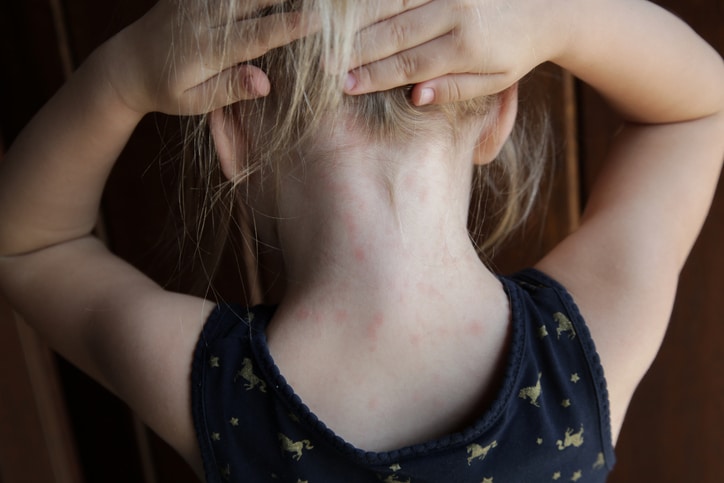
Heat Rash/Prickly Heat: Blocked sweat glands trap sweat underneath the skin, causing a rash that consists of tiny, itchy bumps. It is most commonly found in areas of the skin underneath clothing or near skin folds such as the neck, elbows, and armpits.

Sun Rash: A sun allergy or sensitivity can develop due to taking certain medications or due to family history. A sun rash typically looks like red scaly bumps on the skin that are extremely itchy. Some children may also develop blisters from sun exposure.

Sunburn: Similarly, the common childhood experience of developing a sunburn is caused by excess sun exposure without adequate protection. A sunburn can be extremely painful, swollen, and even itchy as the skin goes through the healing process. Kids should always be covered with protective clothing or a high SPF sunblock.

Melasma: Although more common in adults, some children can develop this patchy discoloration of the skin similar to hyperpigmentation, caused by sun exposure.

Swimmer’s Itch: Swimmer’s itch can be caused by exposure to infested or unclean water. Bodies of water such as lakes, rivers, and streams can harbor tiny parasites that burrow into the skin, causing an itchy and painful rash. Be sure to avoid bodies of water that appear murky or have posted warning signs, and always shower after swimming.

Folliculitis (Hot Tub Rash): Similarly, children who swim in unclean pools or hot tubs can develop an itchy rash from the bacteria in these water sources. Bacteria may get into the hair follicles on the skin, causing them to become infected and inflamed. Wearing a damp swimsuit for too long can also cause a similar rash. Avoid dirty pools and hot tubs.

Cutaneous Larva Migrans (Sandworms): More common in the southwestern United States and other subtropical and tropical areas, a sandworm rash is caused by the presence of worms in contaminated sand. These worms can burrow into your child’s skin, usually around their feet or their bottom, and create the lines of an itchy, red rash as they move under the skin. Be careful around unknown sources of sand and make sure that kids keep their swimsuits and shoes on when playing in the sand.

Rashes from Insect Bites/Stings: It is common for insect bites and stings to cause small, localized reactions that can include an itchy rash and even hives. Bug sprays can help prevent the incidence of these bites and stings in the summer months.

Rashes from Plants: Poison oak/sumac/ivy all have the potential to cause a skin rash. These plants contain a sticky oil called urushiol that can cause redness, itching, swelling, and even blistering. Parents should learn what these plants look like and avoid them.

Eczema: High mold and pollen counts during spring and summer can worsen the skin condition of children with eczema. Excess sweating can also exacerbate eczema.

Acne: The sweat and heat of summertime activities can also worsen acne breakouts in older children and teens. Be sure to have kids change clothing often and shower or bathe immediately after playing outside.

If you feel that your child may need treatment for a summertime skin rash or infection, give us a call today and come in for an appointment with one of our friendly board-certified pediatricians in Littleton.

Intellectual Disability in Children: Causes, Indications and Diagnosis

Intellectual disability (or ID) is an umbrella term used to describe a condition where the individual is experiencing certain limitations in cognitive functioning and skills. These limitations can include learning, communication, and social skills and can cause issues with a child’s education and development.

Intellectual Disability in Children

While the effects of ID on your child’s education can be severe, early intervention can make a big difference in your child’s learning experience and go a long way toward correcting any corresponding behavioral issues. The signs and symptoms of ID in kids can vary but typically include problems in both intellectual and adaptive functioning.

Genetic conditions, complications during pregnancy, and problems during birth can all cause a child to be born with an intellectual disability. More than 6 million people in the United States suffer from an intellectual disability.

Causes of Intellectual Disability

In most cases, the exact cause of a child’s intellectual disability is unknown. ID can be caused by an injury, disease, or other problem in the brain. In some cases, the cause of intellectual disability can occur before birth, such as in the case of Down Syndrome, Fragile X Syndrome, Fetal Alcohol Syndrome, birth defects, and infections. In older children, causes of ID can include severe head injury, infection, or even stroke.

Intellectual disability is not contagious, is not a type of mental illness, and has no cure.

Indications and Diagnosis of Intellectual Disability

Intellectual disability, previously known as mental retardation, can occur anytime throughout childhood or even before birth. The replacement of this terminology occurred in 2010 after the passage of Rosa’s Law.

According to the American Association of Intellectual and Developmental Disabilities, a child must meet three criteria in order to receive a diagnosis of Intellectual Disability:

  • An IQ below 75
  • Significant limitations in two or more adaptive areas (life skills such as communication or self-care)
  • The condition must manifest before the age of 18

If you suspect your child is experiencing any type of educational delay, including intellectual disability, it is important to get them evaluated your pediatrician or other specialist for a professional diagnosis. Getting a formal diagnosis can help open up access to a variety of resources, therapies, school support, and other interventions.

Living with Intellectual Disability

Living with intellectual disability can affect your child’s day-to-day life and be hard on the entire family.

Early intervention, parental education and support, behavioral and cognitive therapies, and educational resources can all help families dealing with an intellectual disability. The goal of these resources is to help children learn as effectively as possible and live as independently as possible.

Most individuals with intellectual disabilities can go on to live happy and fulfilling lives.

If you think your child may be living with intellectual disability, give us a call today to schedule an appointment with one of our friendly board-certified pediatricians.

Rabies in Children: Causes, Symptoms & Treatment

Rabies is a deadly virus that attacks the nerves and brain of its victims. It is crucial that any potential rabies infections are identified and treated early on before the disease has a chance to set in. For this reason, the prevention of rabies is extremely critical, even in countries like the United States, where rabies is rare in humans. Keep reading to learn more about the diagnosis and treatment of potential rabies transmission in kids.

Rabies in Children

Causes

The rabies virus is transmitted through the bite of an infected animal who is in the active phase of the disease. Infected animals carry the virus in their saliva and can also transmit rabies via scratches, cuts, or the eyes or mouth.

The most common source of rabies infections in humans in the United States is through bats, although occasionally, rabies is transmitted through the bite of a dog, cat, fox, raccoon, or skunk.

Rabies infections in kids are extremely rare in the United States, but parents should still exercise caution around stray animals and wildlife, especially those who are exhibiting unusual behavior.

Symptoms

Depending on the location of the bite and its proximity to the brain, symptoms of rabies in humans can occur anytime within a few days or several months after exposure to the rabies virus. Symptoms of the rabies virus in humans include:

  • Tingling, prickling, or itching in the bite area
  • Flu-like symptoms such as fever, headache, body aches, loss of appetite, and nausea
  • Increased saliva production
  • Muscle spasms in the throat, making swallowing difficult
  • Neurological symptoms, including irritability or aggressiveness, confusion, hallucinations
  • Seizures/convulsions
  • Weakness or paralysis
  • Light or sound sensitivity

Diagnosis

The diagnosis of rabies is unique when compared to other viruses and illnesses. When it comes to rabies transmission and treatment, any potential rabies infection must be treated before symptoms occur. This makes diagnosis difficult and risky. Instead of waiting for a diagnosis, when a person has been bitten by any animal that is confirmed or suspected to be rabid, treatment must begin right away. Later on, lab tests can help confirm the diagnosis of rabies.

Treatment

It is important for any child that has been bitten by a wild or stray animal to be taken promptly to a doctor for diagnosis and treatment. In the event that a rabies infection in the animal is suspected, a course of treatment should be started on the child to be sure. This is because once rabies symptoms begin, there is no known effective treatment. Treatment of a suspected rabies exposure includes a dose of rabies immune globulin and several doses of the rabies vaccine.

Prevention

To prevent the transmission of rabies, it is important that all family pets be vaccinated against the rabies virus and that children be educated on proper respect for stray animals and wildlife. In the event of an animal bite, it is critical to seek medical attention right away, especially if the bite is from a common rabies carrier like a bat. Any suspected injury or bite from a bat should be treated as a potential rabies case immediately. Individuals who work with or frequently encounter stray or wild animals who could be rabid can also prevent the potential transmission of rabies by taking the rabies vaccine pre-exposure.

If you have a question about your child and rabies, give us a call today and schedule an appointment to speak with your pediatrician in Littleton about diagnosis and treatment.

What to Eat for Constipation in Children

Constipation is a very common problem in babies and young children. While it can be painful, it is not often serious and can usually be treated at home. In addition to home remedies, there are some healthy foods that kids can eat to help relieve constipation.

Your child’s diet makes a big difference in their digestion. When children are not getting enough fiber in their diet, are not drinking enough water, or are eating too much processed food, it is more difficult for their little bodies to keep everything moving. Whole foods that are high in fiber can aid in digestion.

Constipation in Children

To fight or prevent constipation, consider adding these seven foods to your child’s diet.

Fruits and Fruit Juices: While all fruits are extremely beneficial to proper digestion, the best fruits for constipation are peaches, pears, plums, and prunes. Prune juice in particular is notorious for being a natural laxative. Berries, bananas, apples, and oranges are some of the most popular fruits for kids of all ages. Just be sure to avoid bananas that are not yet fully ripe.

Vegetables: All vegetables are naturally high in fiber. In general, the darker the vegetable, the higher the fiber content. Some of the best vegetables to choose for their fiber content include carrots, beets, broccoli, collard greens, Swiss chard, artichoke, green peas, squash, spinach, and kale. Some kid-friendly favorites include sweet potatoes and avocados.

Whole Grains: From bread and cereal to waffles and pancakes, always reach for the whole grain variety to help ensure your child gets enough healthy fiber in their diet. Oatmeal is another fantastic option that is high in fiber and a favorite breakfast among young children.

Legumes: In addition to being high in fiber, beans are a source of protein and iron for your child’s diet. Similarly, lentils are another great option for kids who are battling constipation. All legumes are naturally high in fiber and very healthy for your child.

Nuts: As long as your child does not have any nut allergies, there are many healthy high-fiber options to choose from, including almonds, peanuts, and pecans. Having nuts and nut butters on hand for healthy snacks can go a long way toward preventing constipation in kids.

Flaxseed: This seed is high in fiber and can be used to effectively treat constipation. Ground flaxseed can be added to many of your child’s favorite snacks, including smoothies, yogurt, and applesauce.

Chia Seeds: Likewise, chia seeds can be added to your child’s meals as an effective quick fix for constipation and digestion issues. Chia seeds absorb water as they pass through the gut, helping soften stools and making them easier to pass.

Please note: If you are making significant changes to your child’s diet, be sure to add high-fiber foods slowly to avoid gas and bloating. Staying hydrated is extremely important as well.

If you have any questions or concerns about your child’s diet, give us a call today to schedule an appointment with one of our friendly pediatricians in Littleton.

Dehydration in Kids – Symptoms & Causes

Dehydration may be common, but it can also become quite serious, especially in young children and infants. It is important for parents to know the symptoms of dehydration and know when to seek medical treatment. Many childhood illnesses such as the flu can cause dehydration due to excessive vomiting and diarrhea. When a child’s level of body fluids is low, oral rehydration solutions such as Pedialyte or Infalyte can help.

Dehydration in Kids

Symptoms of Dehydration in Kids

Young children are far more likely to suffer the ill effects of dehydration than adults.

Symptoms of mild dehydration include:

  • Dizziness / Light-headedness
  • Nausea
  • Headaches
  • Dark Yellow or Brown Urine
  • Dry Mouth
  • Reduced Urine Output

In cases of severe dehydration, symptoms may include the above as well as:

  • Extreme thirst
  • Lethargic / Inactive
  • Pale Skin
  • Sunken Eyes
  • Sunken Soft Spot (infants)
  • Crying Without Tears
  • Cold Hands & Feet
  • Shortness of Breath
  • Increased Heart Rate
  • Trouble Staying Awake
  • Confusion / Irritability

Causes of Dehydration in Kids

The most common causes of dehydration in kids are as follows:

  • Excessive exercise or physical activity
  • Illness with fever, severe vomiting, or diarrhea
  • Medications that make you lose fluids (such as diuretics or laxatives)
  • Heat or hot weather

Anything that causes your child to lose bodily fluids, whether through sweating, vomiting, or diarrhea, can potentially lead to dehydration.

Therefore, if your child is sick or will be spending a great deal of time outdoors, be sure to encourage them to drink plenty of water and other fluids. Paying special attention to keeping your kids hydrated will avoid any of the major issues of dehydration.

Treatment of Dehydration in Kids

Kids with mild dehydration should be able to be successfully treated at home.

Basic dehydration treatment includes giving your child more fluids in the form of water, diluted juice, or oral rehydration solutions. Babies can continue taking in their usual breastmilk or formula but should avoid drinking water. It is important to note that drinks with high amounts of sugar can make dehydration worse. For this reason, it is recommended that parents of infants and small children keep Pedialyte on hand, especially during cold and flu season.

Your child may find it hard to drink a large amount of fluid at once, especially if they are sick. Taking small sips of water or chewing on ice chips can be a good alternative way to get fluids in your child at home.

In more serious cases, the delivery of IV fluids may be needed, which can be done at either a hospital or urgent care office. Untreated severe dehydration can lead to seizures, brain damage, and even death. So when in doubt, give 911 a call or visit your local emergency room.

When to Seek Medical Attention

Parents should keep a close eye on kids and infants who may be exhibiting signs of dehydration.

Children who are suffering from severe dehydration may become extremely lethargic, limp, or unable to cry. If your child is having trouble staying awake and is not responding readily to your voice, it is time to seek medical attention at your local emergency room.

Babies under six months who are dehydrated should always be seen by a medical professional.

Likewise, if your child has a medical condition or a history of chronic dehydration issues, a visit to the hospital might be necessary.

Best Sleeping Positions for Children

New parents quickly learn that their child may fall asleep in a variety of interesting sleeping positions. However, there are guidelines for safe sleep that you should follow for infants and toddlers, as well as general best practices for older children to sleep comfortably. We’ll cover these best sleeping positions for each age group below:

Best Sleeping Positions for Children

.

Infant Safe Sleep Practices

For years, the American Academy of Pediatrics (AAP) has recommended that infants be placed on their backs for sleep. In addition, all stuffed animals and decorative blankets or pillows should be removed from the crib during sleep. The safest way to position your baby for sleep is flat on their back with a tight-fitting sheet or swaddle on a firm mattress. This is because of the increased risk for SIDS (sudden infant death syndrome) within the first year of life.

Most experts recommend against co-sleeping for at least the first six months of life. If you’d like to be able to keep an eye on them, you can have your child’s crib in the same bedroom as you.

Toddler Safe Sleep Practices

As your child grows, they will begin to naturally turn over in their sleep, settling on their sides. It is ok to allow this as long as your child can safely roll back over to their backs and there are no unnecessary soft objects in the crib with them.

At this age, the risk of SIDS has largely passed, but maintaining a safe sleep environment is still crucial. Once your child has started attempting to climb out of their crib, you may want to begin transitioning them to a toddler bed or floor bed. The use of baby monitors can also help you be aware of what is going on in your child’s room.

Best Sleeping Positions for Children

Older children who are no longer at risk of SIDS or any other dangers of sleep should still be encouraged to sleep in positions that are supportive of their developing bodies.

Proper back and neck support is important for children and adults of all ages. While you may be concerned about your child’s sleeping position, at this age, any position is considered normal, healthy and safe. Through the use of a supportive mattress and pillow, your child should be able to find a comfortable sleep position that works for them, whether it’s on their stomach, back, or side.

In fact, children who sleep on their sides or in the fetal position may benefit from increased lymphatic drainage, better blood circulation, improved acid reflux symptoms, improved digestion, the prevention of snoring, and decreased back pain. Back sleeping can also be a great neutral position for many kids, which relieves acid reflux symptoms.

At this age, your child’s body likely knows what it needs, so encourage your child to sleep in whatever position feels the most natural for them.

If you have questions or concerns about your child’s safe sleep, give us a call today to discuss your needs with one of our friendly board-certified pediatricians.