Covid Symptoms in Kids

Since the start of the pandemic, it has been suspected that COVID-19 affects the younger population differently. So what does the disease presentation look like in the youngest population? Are the symptoms of COVID-19 any different in children? Keep reading for more.
Covid Symptoms in Kids

Covid Symptoms in Kids

Younger children tend to have milder COVID-19 symptoms than older children, teens, and adults. In fact, most children tend to have COVID-19 infections that are entirely asymptomatic, meaning they do not experience any COVID-19 symptoms at all.

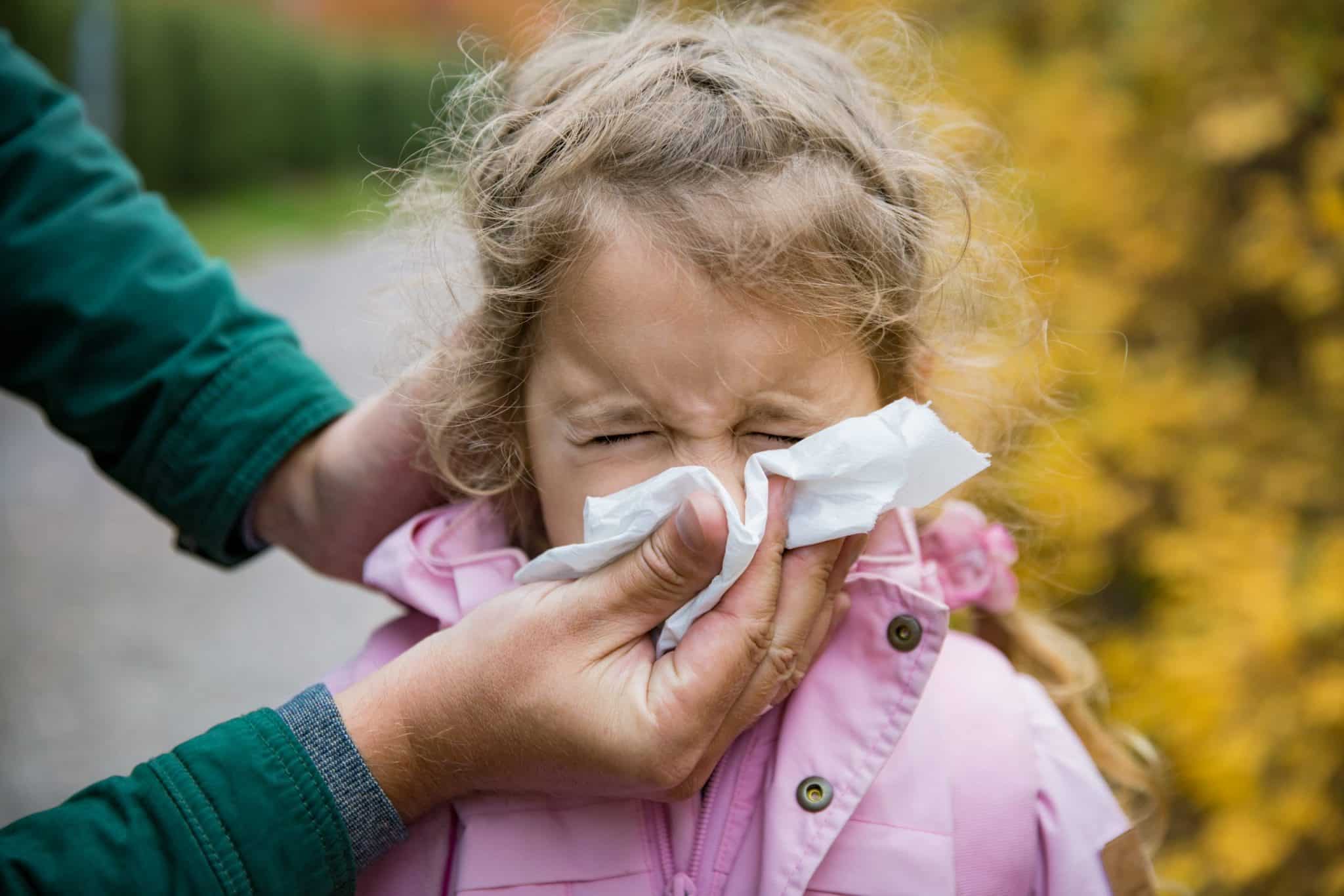
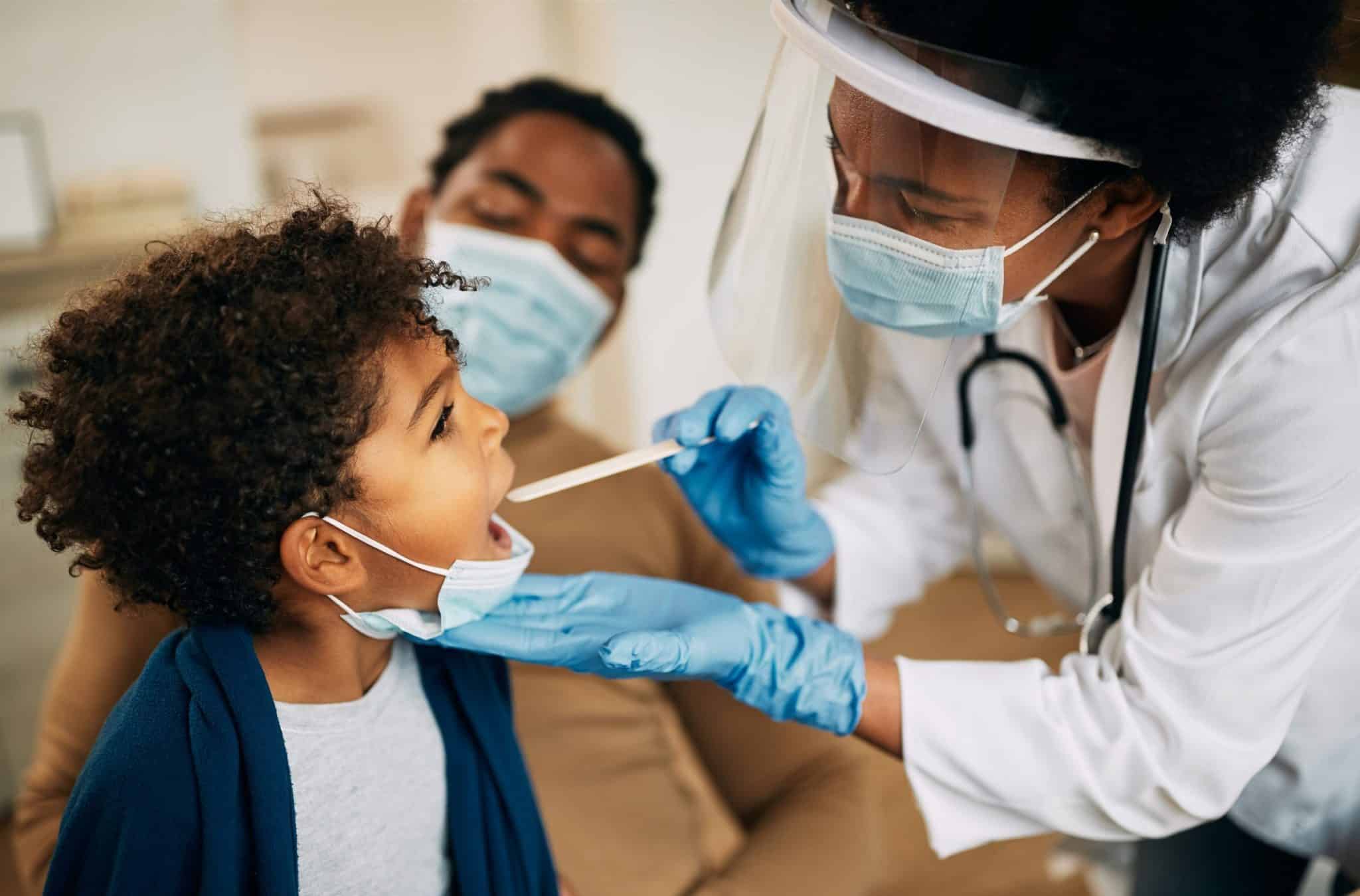
Some children may experience mild gastrointestinal symptoms like nausea, vomiting or diarrhea in addition to a slight fever, cough, cold, or sore throat. Other possible symptoms include headaches, body aches, chills, shortness of breath, and fatigue.

Like adults, some patients are susceptible to temporarily losing their sense of taste and smell. Children who lose these senses should have them fully restored within a couple of weeks, although longer-lasting instances of smell and taste loss have occurred.

Similarly, some children have experienced a variety of mysterious ongoing symptoms in the aftermath of a COVID-19 infection, also informally known as “long Covid.” Children with long-term COVID-19 symptoms may suffer from: brain fog, body aches, chronic fatigue, heart issues, dizziness, and other troubling symptoms.

Multisystem Inflammatory Syndrome (MIS-C)

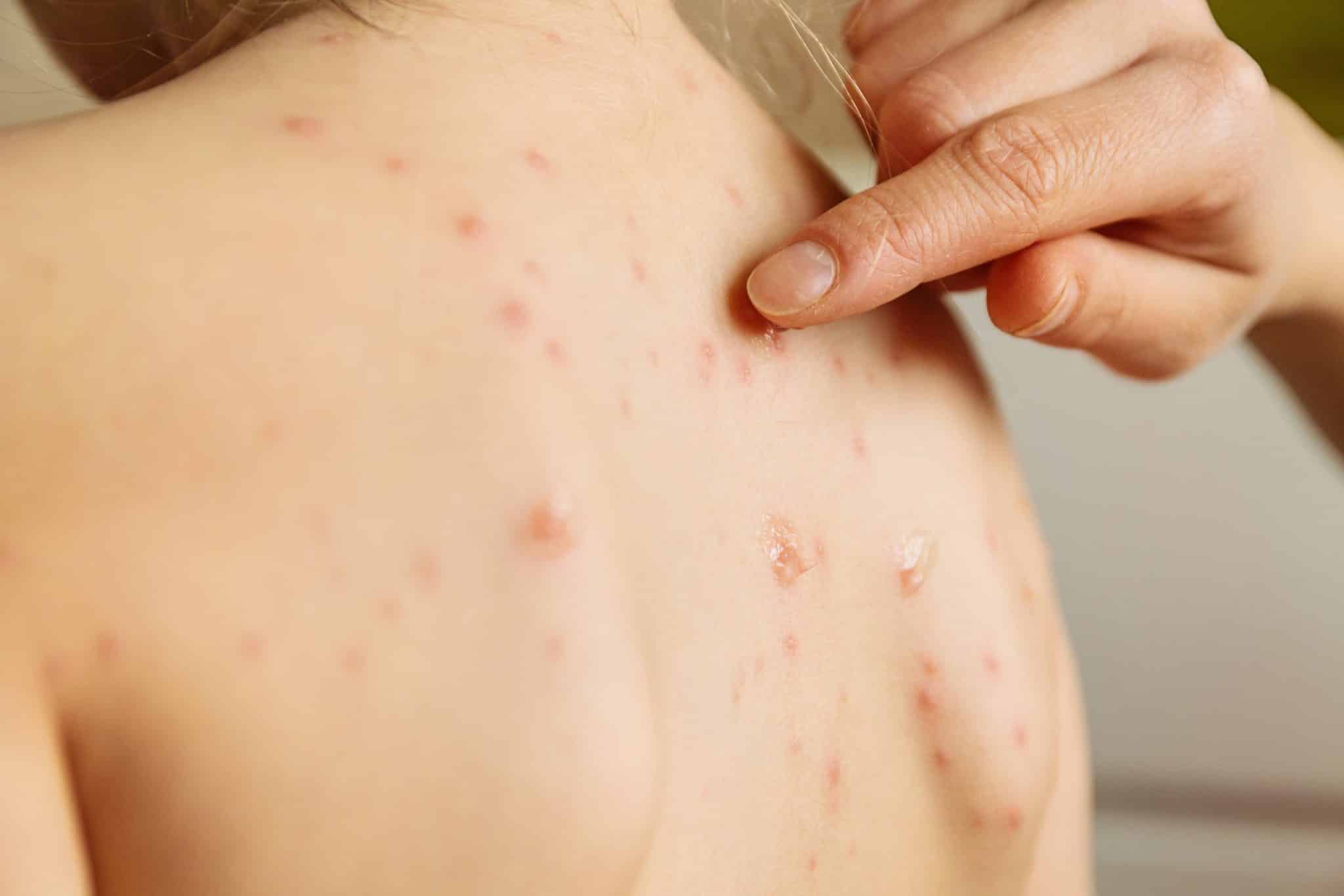
A rare and serious complication associated with COVID-19 to look out for is known as Multisystem Inflammatory Syndrome (MIS-C). Symptoms of MIS-C can include a rash, red eyes, red lips, red hands and feet, shortness of breath, abdominal pain, vomiting, and diarrhea. MIS-C can mimic Kawasaki’s Disease (KD) and typically develop about four weeks after recovery from a COVID-19 infection. Most children make a full recovery, although medications such as steroids and immune serum globulin may be needed.

Treatment of COVID-19 in Kids

Since most cases of COVID-19 in children are fairly mild, the treatment of their symptoms can usually be taken care of from the comfort of home. Treat the symptoms of a pediatric COVID-19 infection just as you would treat any other cold or flu-like illness. Give your child plenty of fluids, encourage plenty of rest, and give fever-reducing medications when needed for comfort.

Severe COVID-19 Infection in Kids

Severe infections can still occur in children, although death from COVID-19 in the youngest population is extremely rare. Children with severe COVID-19 symptoms may develop trouble breathing from viral pneumonia and require a short hospital stay or emergency room visit.

If your child is experiencing severe COVID-19 symptoms such as extreme lethargy, confusion, and trouble breathing – please visit your local hospital or call 911 right away, especially if your child is considered high-risk or has a history of pneumonia and other severe infections. Watch also for signs of dehydration or excessively high fever that may require medical intervention.

Transmission of COVID-19 in Kids

Transmission among children is fairly common, due in part to their close proximity to others who may be infected at school and in other locations. Patients with mild or asymptomatic cases of COVID-19 can still potentially spread the virus to others, so if you suspect a COVID-19 infection in your child, keep them home and in isolation from others until the recommended quarantine period has passed.

Prevention of COVID-19 in Kids

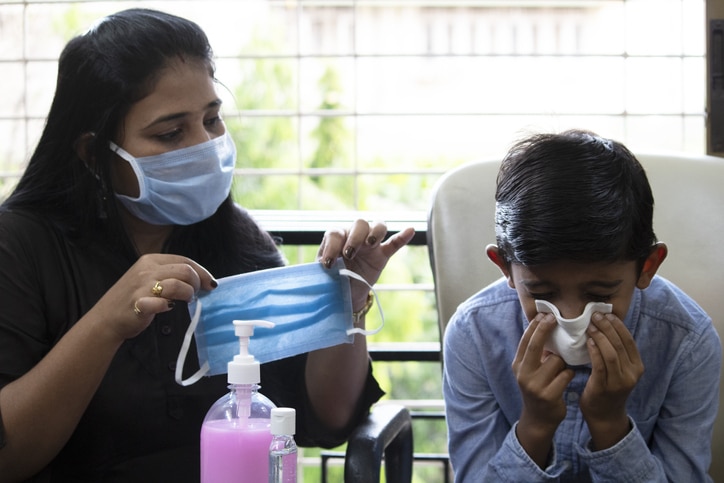
The best way to avoid COVID-19 symptoms in your children is to take steps to prevent infection in the first place. The use of masks, social distancing, hand-washing, and other smart hygiene practices can go a long way towards reducing the risk of contracting COVID-19.

You may also want to speak with your pediatrician about the possibility of your child receiving a COVID-19 vaccine. Current FDA guidelines have approved vaccines for children five years and up.

If you suspect your child may have an active COVID-19 infection, or you want to discuss options for COVID-19 treatment for kids, contact us today to speak with a board-certified pediatrician.
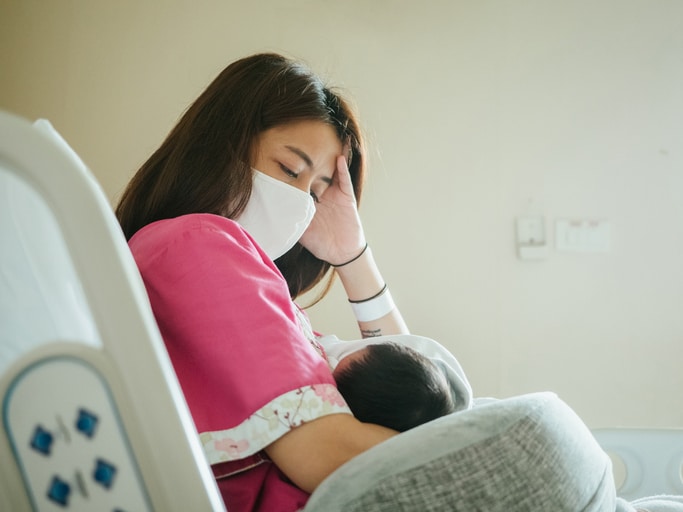
Breastfeeding During COVID-19

Parents of nursing infants naturally have some questions about breastfeeding during COVID-19.

While we are still learning more about the effects of COVID-19 on nursing infants, breastfeeding mothers, and breastmilk – there is evidence to suggest that breastfeeding during COVID-19 infection is not only safe but also beneficial in the passing on of antibodies.

Breastfeeding During COVID-19

Should moms continue breastfeeding while diagnosed with COVID-19?

One of the most common concerns that breastfeeding mothers have is whether or not to continue giving their child breastmilk if they themselves have been diagnosed with COVID-19.

Moms who have a suspected or confirmed case of COVID-19 should be able to continue breastfeeding (or feeding expressed breastmilk) with minimal risk to their baby. Current research suggests that COVID-19 does not pass through breastmilk from mom to baby.

This also means that donated breastmilk should not pose a risk to a breastfed baby, especially if the donor milk has been pasteurized.

It is recommended that breastfeeding mothers with COVID-19 remember to wear a mask whenever they are within six feet of their baby and wash their hands thoroughly when expressing or feeding breastmilk. If necessary, your child’s other parent or another caregiver can give expressed breastmilk to your little one while you are in quarantine or isolation.

Parents who have been in close contact with someone who has COVID-19 and are not fully vaccinated should also follow these precautions until the danger period has passed.

Keep a close eye on your child for any signs or symptoms of COVID-19 and consult with a pediatrician if you have any questions or concerns.

Should breastfeeding moms get vaccinated against COVID-19?

Some research suggests that pregnant and recently pregnant moms may be more susceptible to getting sick with COVID-19 than their counterparts. Therefore, it is even more important that breastfeeding moms take the proper precautions to avoid becoming infected with COVID-19.

Most medical professionals recommend that nursing mothers comply with all current vaccine requirements and stay on schedule with their COVID-19 shots and boosters.

According to the CDC, the Pfizer or Moderna COVID-19 vaccines are preferred over the J&J/Janssen vaccine for most people, including those who are pregnant or breastfeeding.

Does vaccine immunity pass through breastmilk?

Limited data is available on the safety of COVID-19 vaccines in breastfeeding mothers, the effects of COVID-19 vaccination on breastfed infants, and the effects of the COVID-19 vaccine on milk production. Nursing mothers were excluded from participation in COVID-19 vaccine trials.

However, it is thought that infants should receive some protection through the vaccination of their nursing mothers, due to research showing the presence of COVID-19 antibodies in the breastmilk of vaccinated individuals.

Does natural immunity pass through breastmilk?

Likewise, nursing mothers may be wondering if their natural antibodies acquired through COVID-19 infection can pass through to their child via their breastmilk.

The good news is that recent studies have found evidence that disease-acquired antibodies show up in breastmilk just like vaccine-acquired antibodies do. This means that mothers who have recently acquired and recovered from COVID-19 should be able to breastfeed their babies without hesitation and even confer this natural immunity on to them.

Flat Feet in Children: Symptoms, Causes & Treatments

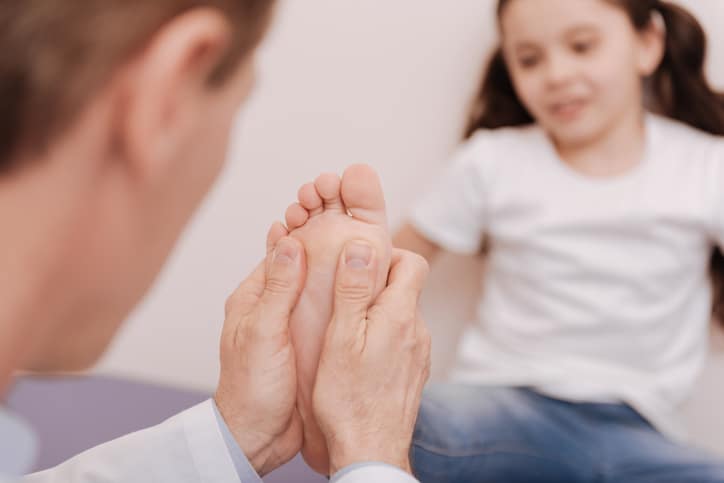
Flat feet occur when a child’s feet lack an arch, making it so that the entire sole of the foot makes contact with the ground. This is a condition that can either be from childhood or can develop later in life for a variety of reasons.

Flat feet in babies and children are common around a certain age, but about 2 out of 10 children with flat feet never develop arches later in life. In fact, all babies have flat feet at first, with the arch developing around age 2 or 3, usually being fully formed by age 6.

Luckily, flat feet don’t always cause any pain or issues, and there are solutions to help if they do. If flat feet do cause problems for your child, treatment should be sought swiftly to prevent future complications.

Flat Feet in children

Signs and symptoms

There are two types of flat feet: symptomatic and asymptomatic. As the name suggests, symptomatic flat feet are accompanied by one or more symptoms. These symptoms include:

  • Pain or tenderness in the foot, arch, heel, or ankle
  • Difficulty and/or pain wearing shoes
  • Trouble moving the foot up and down/side to side
  • Ankle swelling
  • Achy feet after standing or periods of physical activity
  • Withdrawing from physically demanding activities
  • Leg cramps
  • Tight heel cords

Oftentimes, flat feet in children have no symptoms. Flat feet may be visible when a child is standing, but other than this, it’s common for there to be no pain or difficulty. If your child does experience any of these symptoms, consult a medical professional.

What Causes Flat Feet?

Flat feet can be caused a couple of ways, one being through genetics or due to underlying conditions. Some of these conditions include cerebral palsy, spina bifida, diabetes, and muscular dystrophy.

Another possible cause of flat feet, which is fairly common, is baby fat in loose joint connections between a child’s foot bones. A rarer possibility is fused foot bones. Flat feet developing later in life can be due to previously mentioned health conditions, as well as obesity, broken bones, arthritis, and tendon injuries.

Contacting a Doctor

A medical professional should be contacted if you begin to notice any symptoms of flat feet or if your child’s flat feet are causing discomfort or complications. Always ask questions when you have concerns.

Diagnosing flat feet is usually a simple process. A physical examination is done, focusing on the appearance and movement of a child’s feet. Quite often, a doctor can identify flat feet from their appearance alone.

The doctor will look at the range of motion of the foot and ankle, watching the child walk, sit, and stand. They’ll also want to rule out any other possible causes of the symptoms and may examine the legs or up to the hip. In addition, a doctor may want to order other tests such as a CT scan, X-rays, MRIs, or an ultrasound.

Treatments

There are two types of surgeries for flat feet, although most parents prefer trying other options first. These options are quite vast, and what may not help one may help another. These include:

  • Supportive shoes and/or arch support
  • Medication to alleviate pain or inflammation
  • Stretching and foot exercises
  • Physical therapy

A parent should speak with a professional to understand the best shoes, medication, and/or physical activity for a child with flat feet.

Get in touch with a trusted medical provider for treatment, advice, or any questions you may have about flat feet in children.

Fallen Arches: Symptoms, Causes & Treatments

Fallen arches are a form of flat feet also known as pes planus. While flat feet can be present in some children their entire life due to non-developing arches, fallen arches occur after the arch has formed. This condition causes the entire sole of the foot to be in contact with the ground while standing.

Fallen arches most commonly occur in adulthood but can occur anytime after arches have formed. Flat feet often don’t cause any issues, especially in children, although treatment exists in case they do cause discomfort, pain, or injuries.

Fallen Arches in children

Signs and Symptoms

Fallen arches in children are typically asymptomatic, meaning no symptoms are present. If symptoms do show, you should contact a professional care provider as soon as possible to prevent any further complications.

Symptoms of fallen arches in children may include:

  • Swelling around the ankle, most commonly the inner side
  • Difficulty standing or walking for long periods
  • An eventual outward tilt of the heel or ankle
  • Pain traveling up the leg or near the back
  • Pain that increases due to activity
  • Leg cramps
  • Withdrawing from physical activity
  • Increased fatigue
  • Toe drift

Symptomatic flat feet or fallen arches in children should always be examined and treated as needed. Untreated fallen arches can cause long-term problems for not only a child’s feet but their legs, tendons, and back as well.

Causes

Causes for flat feet can vary, and there are even more possible causes for fallen arches. Some of these causes include:

  • Torn or stretched tendons
  • Dislocated or broken bones
  • Inflammation of tendons such as the Achilles tendon or posterior tibial tendon
  • Underlying health conditions, including:
    • Rheumatoid arthritis
    • Diabetes
    • Cerebral palsy
    • High blood pressure

Diagnosis

To diagnose fallen arches, a doctor will look at a few things. This includes examining the appearance of the feet and whether or not the arch is present when standing.

The doctor will examine the movement and range of motion of the ankles and how the child walks. In addition, they may order tests such as X-rays or CT scans.

Treatment

Treatment is not always necessary for fallen arches, but if concerns arise, a professional should be contacted. A doctor can access and provide the proper treatment for the severity of each case.

If treatment is necessary, a few options are available. These include:

  • Physical therapy
  • Medications to aid with pain, discomfort, or inflammation
  • Exercises to stretch muscles, strengthen tendons, and increase mobility
  • Supportive shoes, braces, or orthotics

Surgical intervention is also available to repair the feet, relieving pain and discomfort as well as long-term complications. Reconstructive surgery can reshape the foot by repairing the bones and tendons, usually resolving any problems.

Fallen arches in children and all cases of flat feet should never go unchecked. If flat feet are not treated, it can lead to a number of problems, including joint problems, rolling of the ankles, back problems, and misalignments.

Contact a trusted medical professional if you believe your child may have fallen arches or if you have any questions regarding proper care.

Respiratory Infections in Children

The respiratory tract is vulnerable because of its exposure to outside bacteria, and this is especially true of a child’s respiratory tract. The main two classifications of these infections are upper respiratory tract infections, or URIs, and lower respiratory tract infections, or LRIs.

Knowing when to seek medical attention is crucial because of the consequences that untreated repository infections can have. Children are particularly prone to respiratory infections because their immune systems are not as strong when fighting against these viruses and harmful germs.

best pediatrician in littleton

Types of Respiratory Infections

Upper respiratory tract infections include even the common head cold, meaning that sometimes URIs can be treated from home. Also included are the mild flu, a sinus infection, tonsillitis, and laryngitis.

Lower respiratory infections include bronchitis, pneumonia, a chest infection, and bronchiolitis. Bronchiolitis typically only affects young children.

Symptoms of Common URIs

  • Common cold
    • Sore throat
    • Sneezing
    • Coughing
    • Stuffy or runny nose
  • Tonsillitis
    • Red, swollen tonsils
    • Sore throat
    • Yellow or white spots on tonsils
    • Pain when swallowing
    • Fever
  • Laryngitis
    • Dry and chronic cough
    • Tickling or rawness of throat
    • Hoarseness or weak voice
    • Fever

LRIs and Their Symptoms

  • Pneumonia
    • Cough
    • Shortness of breath or shallow breathing
    • Sharp pain in the chest
    • Loss of appetite and general fatigue
  • Bronchitis
    • Chronic, dry cough
    • Soreness of the chest
    • Mild headache and body aches
  • Tuberculosis
    • Loss of appetite and weight loss
    • A cough lasting weeks
    • Fever
    • Night sweats or chills

When Are Children Most Susceptible?

Babies under the age of 2 years old are especially likely to be affected by respiratory infections, mostly due to their underdeveloped immune systems. Children around 6 years old and under are all highly vulnerable, though.

Children around the age of 6 average 6 to 8 infections per year, often mild cases of the flu or head colds. By the age of 2, a child is likely to have had at least one infection.

Flu season lasts from October to May, so watch for symptoms of potential respiratory infections in your children around this time.

When To See a Doctor

Colds and mild infections can often be resolved on their own or with care from home. If your child has a fever of or around 102 degrees Fahrenheit for more than 2 or 3 days, seek medical attention. Severe difficulty breathing, wheezing, or shortness of breath should be a sign to see a doctor, as well.

Seek professional attention if symptoms are not resolved after 10 days, especially if symptoms are worsening.

Treatments

If your child is suffering from a respiratory infection, there are many treatments available to relieve their symptoms and increase recovery speed. The easiest, most accessible treatment is rest and basic self-care.

Other remedies include nasal decongestants to help improve breathing, cough medicine, and antihistamines to combat symptoms such as sneezing, congestion, and itching. Care such as hydration, nasal washing, and gargling with salt water can help as well.

One should watch for signs and symptoms of serious respiratory infection to know when to provide help. Contact an experienced professional today if you are concerned about your child’s respiratory health.

Animal Bites Treatment

Not only can an animal bite be very scary for a child, but it can also cause issues such as infections and, in the worst cases, severe wounds, viruses, or diseases.

How to Care For Animal Bites

In the case of a child having a minor bite, take these steps:

  • Immediately wash the wound thoroughly with soap and water
  • Apply antibiotic ointment if possible
  • Cover the wound with a clean bandage or gauze
  • Apply pressure if necessary

Animal Bites Treatment littleton, co

When to Seek Immediate Medical Attention

Animal bites in children should always be taken seriously. If you are unsure of the severity or if exposure to disease is possible, seek professional help as soon as possible.

If bleeding is severe or continuous, apply pressure with a clean, fresh cloth or a bandage. Seek medical help if bleeding doesn’t stop or if it appears that stitches may be needed.

Other times to seek medical care:

  • If you see signs of infection
  • If you notice signs of rabies or other zoonotic diseases
  • If you have concerns or questions about animal-transmitted diseases/viruses
  • If you notice oozing or swelling, or if your child is in intense pain

Signs of Infection

There are many symptoms of infection when it comes to animal bites in children. If you are concerned or have questions regarding a possible infection, you should seek medical attention or proper at-home care.

Signs of infection in an animal bite:

  • Pus, oozing, or buildup
  • Warmth surrounding the bite
  • Lines, spots, or severe redness appearing around the bite
  • Fever and/or chills
  • Increasing pain
  • Blisters
  • Swelling

Possible Zoonotic Diseases

The main conditions one can contract or develop from an animal bite are rabies and tetanus. Tetanus may develop from bacteria originating from the animal bite, while rabies is spread through the saliva of an infected animal.

Symptoms and signs of rabies include:

  • Pain or fatigue in the muscles
  • Difficulty swallowing and/or excess saliva
  • Irritability or agitation
  • Confusion
  • Nausea and vomiting
  • Seizures
  • Anxiety, fear, or delirium
  • Hyperactivity or fatigue
  • Headache
  • Possible coma

Symptoms and signs of tetanus include:

  • Involuntary muscle spasms, commonly in the stomach
  • Cramping in the jaw
  • Muscle stiffness or pain
  • Seizures
  • Headache
  • Problems swallowing
  • Fast heart rate or changes in blood pressure

Aftercare

After seeking professional care when necessary, actions should still be taken to keep the wound in the best shape possible to prevent infections and promote healing. To care for a child’s animal bite, follow these tips:

  • Clean the wound every day with soap and warm, running water
  • Apply an antibiotic cream or ointment
  • Always use a clean bandage and change it daily or as needed
  • Watch for infections

How to Prevent Animal Bites and Diseases

To prevent animal bites in general, a few steps can be taken, such as:

  • Educate children on how to react around animals, especially wild animals
  • Teach children not to harm or tease any animals and not to bother aggressive or unsuspecting animals
  • Inform children to never touch or try to catch any wild or stray animals

To help prevent infections, diseases, and other complications, consider these steps:

  • Always seek professional help when concerns arise
  • Keep children up to date on immunizations and necessary shots
  • Use proper care and keep a close eye on wounds
  • Keep wounds clean and covered when needed

Learning Disabilities in Children

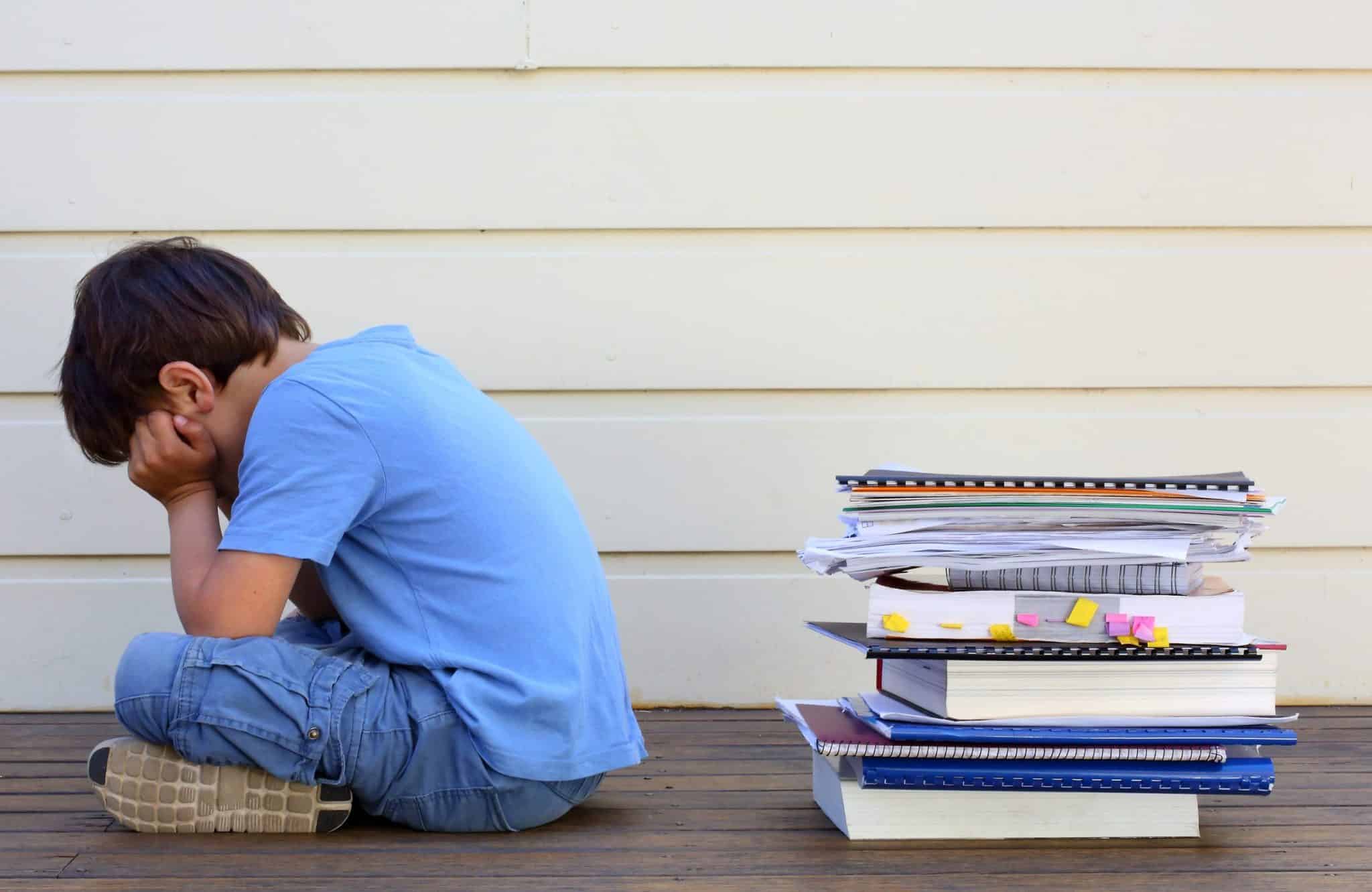
The signs and symptoms of the most common learning disorders in kids can vary widely. Fortunately, early intervention can make a world of difference in your child’s educational experience and any corresponding behavioral issues.

littleton pediatricians

Dyslexia

Dyslexia is one of the most common learning disabilities in children and teens, affecting millions of Americans each year. It can be genetic, and signs are usually fully evident by first or second grade. ADHD is a common comorbidity.

Signs and symptoms of dyslexia include:

  • Trouble reading and writing
  • Frequent reversal of letters, words, and numbers (pervasive after the age of 6 or 7)
  • Trouble spelling and sounding out words
  • Problems with reading comprehension
  • Difficulty remembering what has been read
  • Difficulty recognizing patterns and sequences

ADHD

Attention-deficit/hyperactivity disorder (ADHD) can lead to a whole host of behavioral and educational issues in kids of all ages. ADHD is more common in boys than in girls and can manifest differently in each gender.

Signs and symptoms of ADHD include:

  • Hyperactivity and impulsivity
  • Unable to sit still or wait patiently
  • Excessive talking and frequently interrupting others when speaking
  • Trouble listening and following/remembering instructions
  • Constant desire to be on the move or fidgeting
  • Difficulty staying on task; easily distracted
  • Forgetfulness
  • Disorganization

Dyscalculia

Dyscalculia is the inability to properly process and understand math concepts. It can be difficult to identify as other disorders such as dyslexia, and ADHD can also affect the ability to learn math skills.

Signs and symptoms of dyscalculia include:

  • Trouble with basic math concepts such as counting and performing simple equations
  • Difficulty with clocks and estimating the passage of time
  • Difficulty understanding mathematical word problems
  • A poor sense of measurements and estimation
  • Difficulty recognizing patterns and sequences
  • Trouble with money concepts
  • Math anxiety

Dysgraphia

Dysgraphia affects written expression and results in difficulty writing legibly and/or holding a writing utensil properly. Kids with this learning disability will often become visibly frustrated with attempts at writing and may complain of finger, hand, or even arm pain. Dysgraphia can be related to poor motor skills or may be typified by other causes.

Signs and symptoms of dysgraphia include:

  • Sloppy handwriting
  • Writing too quickly or too slowly
  • Inability to hold and control a writing utensil with a normal grip
  • Trouble writing in a straight line or using proper spacing
  • Trouble with proper letter formation
  • Trouble staying within the margins
  • Difficulty with grammar and sentence structure
  • Difficulty doing other manual tasks such as cutting or drawing

Dyspraxia

Dyspraxia is a developmental coordination disorder that can affect learning through the impairment of speech and motor skills. It can also lead to the development of behavior problems and is often seen in conjunction with ADHD, dyslexia, or autism.

Signs and symptoms of dyspraxia include:

  • Poor hand-eye coordination
  • Struggle with balance
  • Difficulty completing fine-motor tasks
  • Poor handwriting
  • Difficulty concentrating or following instructions
  • Exaggerated movements
  • Poor posture; easily fatigued
  • Lack of rhythm
  • Frequent falls and stumbles; often seen as “clumsy”

If you think your child may be experiencing one of the above learning difficulties, please call your pediatrician in Littleton or schedule an appointment with one of our friendly pediatricians to discuss the diagnosis.

Hair Loss Causes and Treatments in Children

If your child is experiencing hair loss, it can be quite alarming. Learn more about the most common causes of hair loss in kids and their treatments with our quick round-up below.

local pediatrician in littleton

Scalp Ringworm

Ringworm is a fairly common fungal infection often seen in kids. It may present as scaly patches of hair loss or as a red ring-shaped rash on the scalp. Hair loss can be caused by damage to the scalp, frequent scratching, and even hair-pulling as kids try to relieve the itch.

Treatment typically includes an oral antifungal medication and an antifungal shampoo containing selenium sulfide or ketoconazole. Since ringworm is contagious, special care should be taken to avoid spreading it to other family members.

Alopecia Areata

Alopecia areata is an autoimmune disease that results in the immune system attacking hair follicles. Children may experience bald spots, total baldness, or thinning hair. Alopecia areata can go through cycles of remission and flare-ups.

While there is no cure, treatment can help manage the disease, and regrowth is possible. Corticosteroid creams can help encourage regrowth, as can steroid shots in older children. Rogaine can be used as well.

Trichotillomania

Trichotillomania is the act of compulsive hair pulling or twirling and is most often caused by anxiety or OCD. It can flare up during times of intense stress or life change such as a divorce or a big move. Hair loss can be patchy, one-sided, and characterized by split-ends and hair of varying lengths.

Treating the underlying emotional cause of the behavior is the best way to prevent hair loss and encourage regrowth. Therapy or medication can help to treat the underlying anxiety or OCD.

Traction Alopecia

Traction Alopecia is hair loss that is caused by recurrent, frequent trauma to the hair and scalp, such as wearing tight hairstyles like braids for long periods of time. The pressure placed on the scalp can cause large bald or thinning spots of hair loss. Treatment consists of wearing hair down in a looser hairstyle and treating the scalp with care. If the scalp becomes infected, antibiotics may be needed.

Telogen Effluvium

Similar to trichotillomania, this cause of hair loss can occur during times of stress or trauma. With telogen effluvium, the hair gets stuck in the “telogen” phase of hair growth, which is the rest period before a hair falls out and is replaced by new hair. Typically, about 10–20% of a person’s hair is in the telogen phase at any given time, but with telogen effluvium, that percentage can grow. Other triggers can include injuries, infection, general anesthesia, medication side effects, or nutritional deficiencies.

There aren’t really any effective treatments for telogen effluvium other than waiting it out or treating the underlying cause. Most of the time, by the time the hair has fallen out at the end of the telogen phase, the triggering event or cause has already passed.

Other Medical Causes

Less common causes of hair loss in children include nutritional deficiencies and endocrine problems such as hypothyroidism. Talk to your child’s doctor if you suspect that one of these medical issues may be the cause of their hair loss.

If you are concerned about your child’s hair loss, give us a call today to help figure out the cause with one of our friendly pediatricians!

Ear Infections in Kids

Ear infections are extremely common in babies, toddlers, and kids of all ages. Some children will deal with frequent ear infections throughout childhood, while others may never acquire a single one. Read on to learn more about the symptoms, diagnosis, treatment, and prevention of ear infections in kids.

pediatrician in littleton

Symptoms of Ear Infections in Kids

It is especially important to know the signs of ear infections in babies and toddlers who can’t talk and are unable to tell you what is wrong. Common symptoms of ear infections in kids can include:

  • Pulling at the ears
  • Unexplained fussiness and crying (especially in infants)
  • A discharge or foul smell coming from the ear
  • Redness and pain
  • Fever
  • Trouble sleeping
  • Trouble with balance
  • Trouble hearing and responding to verbal cues

Diagnosis of Ear Infections in Kids

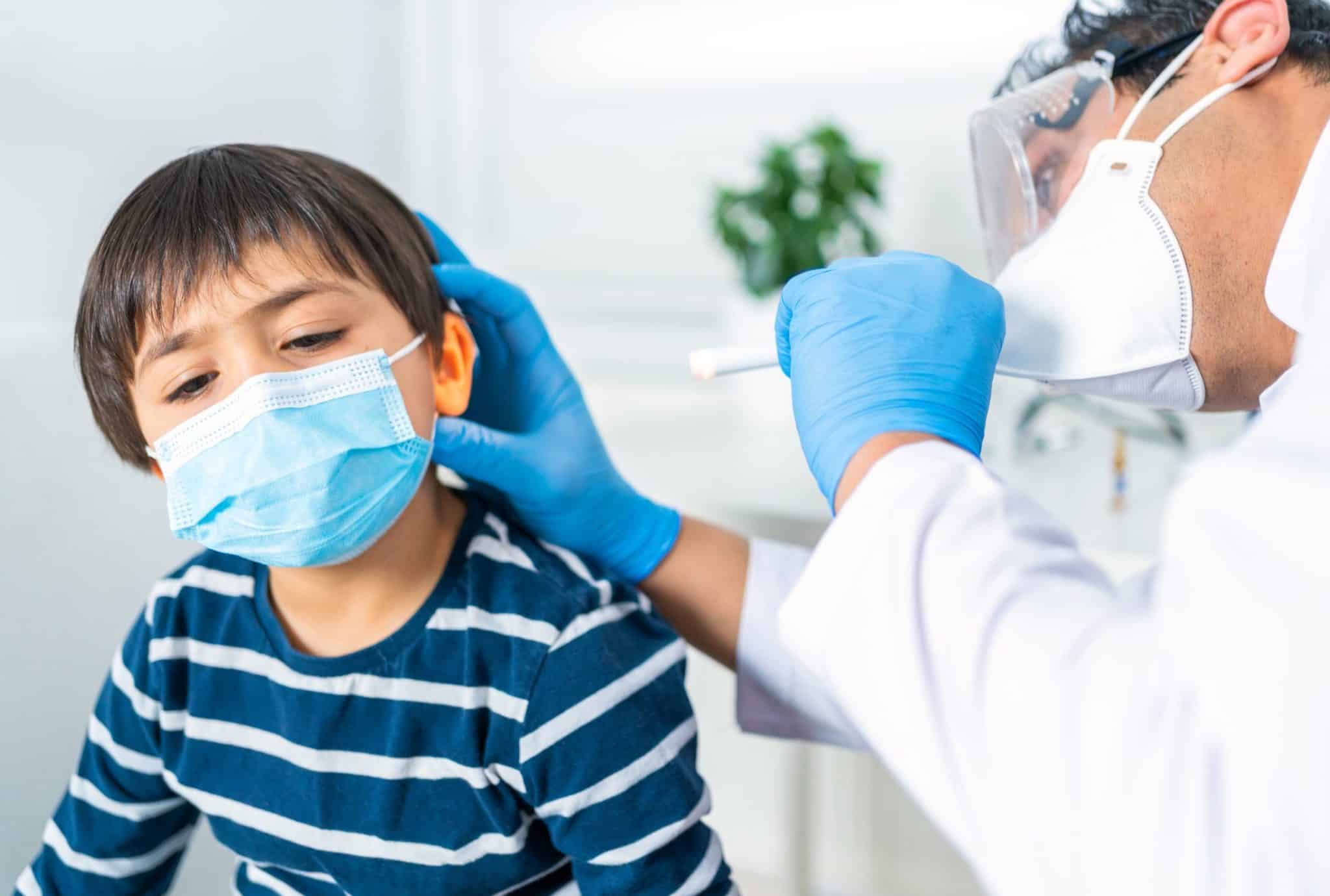
An active ear infection can typically be diagnosed by your child’s doctor simply looking in your child’s ears with a lighted otoscope. This visual exam will inspect the eardrum for any signs of infection. A visual inspection, in combination with your description of your child’s symptoms, is typically enough to diagnose an ear infection.

Occasionally, other simple tests may be needed to measure the fluid or movement of the eardrum, including the use of a pneumatic otoscope or a tympanometry test. Further diagnostic measures may need to be taken by a specialist in the case of chronic or recurrent infections.

Treatment of Ear Infections in Kids

The first line of defense for ear infections is usually antibiotics, but they are not always necessary, nor should they always be the first response. Especially if your child is suffering from frequent ear infections, overuse of antibiotics can lead to resistant bacteria and may make treating future infections more difficult.

As an alternative, many doctors take a “wait and see” approach, treating any pain with over-the-counter medications such as ibuprofen or acetaminophen in the meantime. Home remedies for ear infections are an increasingly popular option for many families. These can include the use of hot or cold compresses, heating pads, OTC ear drops, and changing your child’s sleeping position to an upright one.

Work with your child’s practitioner to determine the proper course of action for your child’s age and level of infection.

Prevention of Ear Infections in Kids

Ear infections are most often caused by bacteria from an illness such as the common cold or other upper respiratory infections. These bacteria can spread to the middle ear and lead to inflammation and fluid buildup. Treating all common childhood illnesses promptly can help to prevent the development of ear infections, as can vaccinations. There is some evidence that breastfeeding can also help prevent frequent ear infections through increased antibodies.

Children who suffer from frequent ear infections may benefit from a procedure that places tubes into the eardrums to help prevent future infections and make them easier to manage.

If your child is currently experiencing the effects of an ear infection, or you want to discuss options for the prevention of recurrent infections, give us a call today to schedule an appointment with one of our board-certified pediatricians!

Common Childhood Illnesses and Their Treatments

When is that cough just a cold, and when is it something more? Keep reading for a quick guide to common childhood illnesses and their treatments.

littleton pediatrician

Flu (Influenza)

The flu is an infection of the respiratory tract caused by a group of influenza viruses and is especially common in the fall and winter months. Most kids will recover within 1 week, but the flu can be serious in kids under the age of 2, and infants should be watched closely for potential complications.

Flu symptoms include:

  • Fever
  • Chills
  • Headaches and body aches
  • Loss of appetite
  • Fatigue and weakness
  • Cough
  • Sore throat
  • Nasal congestion
  • Nausea and vomiting
  • Diarrhea
  • Fussiness in infants

Treatment at home typically includes the use of OTC medications to reduce fever, plenty of fluids, and helping your child rest comfortably. In some cases, antiviral medicine can be prescribed that may shorten the course of the illness by 1 to 2 days. This medication must be taken as soon as possible (typically within 48 hours) of the start of the flu in order to be effective.

RSV

RSV stands for respiratory syncytial virus and is a common virus that can cause both upper and lower respiratory tract infections. It is typically mild but can cause pneumonia in kids. Infants and those with breathing problems or compromised immune systems are at a higher risk of developing complications.RSV is highly contagious and typically sweeps through the school setting from late fall through early spring.

RSV causes symptoms that mimic the common cold, including:

  • Nasal congestion
  • Low fever
  • Cough
  • Sore throat
  • Trouble breathing
  • Wheezing
  • Earaches
  • Headaches
  • Lethargy
  • Not eating or drinking well

RSV typically runs its course in about a week. Home care typically includes rest, plenty of fluids, OTC medications, and salinpirators to help we nasal sprays or nose asith nasal congestion in infants.

Hand, Foot, and Mouth Disease

This strangely named disease is caused by a virus and occurs most often in the summer and fall months in children ages 10 and younger. It can spread very rapidly in the childcare setting or a school environment.

Symptoms include:

  • Red rash
  • Possible blistering on the hands and feet
  • Fever
  • Sore throat
  • Flu-like symptoms
  • Loss of appetite
  • Fussiness in babies and toddlers
  • Lesions inside the mouth

The characteristic blistering rash of HFM typically lasts for about a week. Blisters should be kept clean, dry, and uncovered. Topical antibiotic ointment can be used if a blister bursts. Keep your child well hydrated and watch for signs of dehydration. OTC medications such as acetaminophen or ibuprofen can also help manage symptoms.

Stomach Flu (Gastroenteritis)

Gastroenteritis is an umbrella term for an infection that causes stomach irritation and symptoms such as vomiting and diarrhea. Commonly known as the stomach flu, gastroenteritis can be caused by a virus, bacteria, or even parasites. Some of the most common infections arenorovirus and rotavirus.

The full list of symptoms include:

  • Stomach pain
  • Fever and chills
  • Nausea
  • Upset stomach
  • Diarrhea
  • Loss of appetite
  • Vomiting

Gastroenteritis is usually mild and will generally run its course within a few days. It is very important to keep kids hydrated when they are suffering from the stomach flu, as they can lose fluids quickly through symptoms like vomiting and diarrhea. Pedialyte is a great option to offer kids suffering from the stomach flu. Avoiding solid foods or following the BRAT diet (bananas, rice, applesauce, and toast) can help a great deal as well.

Pink Eye (Conjunctivitis)

Pink eye can be the result of a bacterial or viral infection or even allergies. It is highly contagious and is most common in children under the age of 5.

Symptoms of pink eye include:

  • Eye redness
  • Swelling of the eyelid
  • Itchy eyes or feeling like there is sand in the eye
  • Watery, teary eyes
  • Discharge from the eye
  • Blurry vision
  • Light sensitivity
  • Pain in the eye

The typical treatment for pink eye consists of home remedies such as the use of cold compresses and eye drops. Conjunctivitis should clear up on its own in about 1 to 2 weeks. In some cases, the use of antibiotic eye drops can help reduce the duration of the infection.

Strep Throat

Strep throat is caused by an infection of streptococcal bacteria and is very common in school-age children. As many as 1 in 5 kids can be silent “strep carriers,” which means they host the bacteria without being symptomatic or contagious.

Symptoms of strep throat include:

  • Fever
  • Sore throat
  • Trouble swallowing
  • Swollen tonsils or lymph nodes
  • Flu-like symptoms
  • Red spots or white patches on the roof of the mouth and back of the throat

Strep throat can be very pervasive and typically requires the use of antibiotics to clear up an active infection. Twenty-four hours after antibiotics have been started, your child should no longer be contagious and can return to school if they are feeling well. OTC medications like acetaminophen and ibuprofen can also be used to manage symptoms. Treatment at home can include getting plenty of rest, drinking plenty of fluids, and offering honey to children older than 12 months.

When your child is sick and needs medical care, contact Focus on Kids Peds for an appointment with one of our friendly pediatricians!

Seasonal Allergies in Children

It is not uncommon for seasonal allergies in children to go overlooked. It may be seen as the common cold, flu, or any other number of problems that would typically resolve within a week.

Learning about seasonal allergies and the associated symptoms is important in helping your child be more comfortable and reducing any serious risks.

Signs of Seasonal Allergies

Seasonal allergy symptoms may be very similar to those of a common cold. A runny nose, sneezing, and congestion are often present. The main sign is whether or not your child has these symptoms at the same time every year.

If you believe your child may be affected by the changing seasons or weather, you are likely correct. It is quite common for one to be allergic to mold spores or pollen, and sometimes both. These spores and allergens are released into the air at specific times of the year.

More allergens and triggers can include:

  • Cold air
  • Furry animals
  • Viruses
  • Air pollution
  • Fumes
  • Dust
  • Latex

A difference between typical cold symptoms and allergy symptoms is itchiness. With seasonal allergies, your child may develop an itchy nose and/or itchy, watery eyes.

Other symptoms of allergies include:

  • Sneezing
  • Coughing
  • Nasal congestion
  • Runny nose
  • Itchy throat
  • Red eyes

If you notice your child rubbing their eyes or nose more often than usual, having sneeze fits often, or any other signs, consider reaching out to a professional.

How to Be Certain Your Child Has Seasonal Allergies

While it may be obvious to you that your child has seasonal allergies, a diagnosis from your medical professional can be helpful. Tests can be done to determine a specific allergy, whether it be spores, pollen, or fumes.

Whether or not a test comes back positive is not a sure sign that your child is allergic to a certain irritant. Symptoms must be present for the specific allergen being tested.

Treatment for Seasonal Allergies in Children

There are many remedies for relieving allergy symptoms, and these remedies vary depending on the severity of the allergy.

Medications can be prescribed to children with allergies, such as antihistamines and decongestants. These are commonly only used when the allergy is moderate to severe. If these medications are not helpful, allergy shots may improve your child’s sensitivity to allergens.

Other helpful tips include closing the windows at certain times, washing hands after being outside, and keeping a clean environment. Allergy-proof bedding and clothes can also be purchased to further help your child.

Asthma and Allergies

While allergies and asthma do not always go hand-in-hand, allergies are common among children with asthma. Allergens can be a trigger for asthma attacks, so handling the allergies properly is important.

Those with asthma are more likely to be triggered by allergens, but this does not mean those with allergies have asthma. Knowing and understanding the difference can be crucial in helping your child manage symptoms.

If you suspect your child may have seasonal allergies, contact us to make an appointment with one of our board-certified pediatricians.

Difference Between a Sore Throat, Strep, & Tonsillitis

While sore throats are common, especially in young children, knowing the difference between a sore throat, strep, and tonsillitis is important in treating it properly. Not all sore throats require medical attention, but understanding when to contact your medical professional is essential.

Symptoms of a Sore Throat

The common first signs of a sore throat include mild swelling, discomfort, and redness of the throat. A sore throat is paired with cold or flu symptoms, such as a runny nose, cough, or congestion.

Fevers are not common in children with sore throats, unlike bacterial infections (strep throat). If caused by an underlying infection, other symptoms may arise.

Other symptoms of a sore throat can include:

  • Pain when swallowing or talking
  • Scratchy or irritated throat
  • Swollen tonsils and/or swollen glands in the neck
  • Sneezing
  • Aches in the body
  • Headache

Symptoms of Strep Throat

Unlike a common sore throat, which is caused by a virus, strep throat is caused by bacteria. Strep throat is usually more painful with harsher symptoms, and it requires antibiotics to relieve it.

Signs of strep throat include somewhat sudden swelling and pain in the throat. Similar to a viral sore throat, swollen tonsils and lymph nodes around the neck are common. A large difference when it comes to strep is having a fever of 101° or higher.

With strep throat, the swelling and redness of the throat are frequently much worse than that of a sore throat. White patches can often be seen in the throat or on the tonsils.

More signs of strep may include:

  • Pain when swallowing
  • Small, red spots on the roof of the mouth
  • Loss of appetite
  • Bad breath
  • Nausea
  • Headache
  • Stomach pain
  • Chills
  • Overall body aches or discomfort

Symptoms of Tonsillitis

While the signs of tonsillitis overlap with that of strep throat, there are unique signs to look out for when in doubt. Tonsillitis can be caused by a virus or by bacteria, so the symptoms and length of symptoms may vary.

Signs of tonsillitis include swelling of the throat and/or lymph nodes, redness in the throat, and pain when swallowing. A difference between a sore throat and tonsillitis can be the throatiness of the voice, as tonsillitis can cause muffled or impaired speech.

While strep throat may cause white patches in the throat, tonsillitis can cause white or yellow coating over the tonsils.

Other symptoms include:

  • Fever and/or chills
  • Bad breath
  • Pain in the ears
  • Runny nose or congestion
  • Fatigue
  • Mouth breathing
  • Excessive salivating
  • Poor appetite
  • Snoring

How and When to Treat a Sore Throat?

If you are ever concerned about your child’s sore throat, it is best to contact a professional to be sure about treatment.

The common sore throat can be treated at home and typically goes away on its own within one week. A child with a sore throat should be drinking plenty of liquids and getting enough rest. If old enough, gargling with salt water or using throat lozenges can provide relief.

Strep throat is only treated with antibiotics. If you believe your child may have strep, seeking medical attentionis the best solution to help your loved one recover. Antibiotics commonly begin helping with 1-2 days.

Tonsillitis is sometimes harder to treat because it could be viral or bacterial. Only bacterial tonsillitis can be treated with antibiotics.

At-home remedies for the relief of tonsillitis symptoms include gargling with salt water, using throat lozenges, and over-the-counter pain relievers. It is best to consult a medical provider in the case your child has tonsillitis for proper treatment.

If you are concerned about your child’s sore throat or would like to discuss more on the difference between a sore throat, strep, and tonsillitis, contact one of our helpful professionals today.

Hormonal Disorders in Children

A child’s hormones play an extremely important part in regulating the body and keeping the child healthy. Hormones affect everything from mood and body temperature to overall growth. Hormonal disorders in children disrupt the common, healthy ways of the body.

A hormonal disorder can cause a variety of issues, from diabetes and stunted growth to emotional response. Knowing what to look for and how to handle these disorders is crucial to keep your child as healthy and safe as possible.

Types of Hormonal Disorders

Hormonal disorders, also known as endocrine disorders, can affect children of all ages. Sometimes these disorders are caused by genetics, with obesity being a risk factor.

Endocrine disorders are often linked to the pancreas, thyroid, adrenal, or pituitary glands. Bone disorders are also possible. These are caused by either imbalanced hormones or sometimes tumors.

Common hormonal disorders include:

  • Diabetes – Type 1 & Type 2
  • Hyperthyroidism and hypothyroidism
  • Delayed puberty or early puberty
  • Growth hormone disorders
  • Hypoglycemia
  • Turner Syndrome

Symptoms of these disorders vary, depending especially on the gland causing the hormonal imbalance. Adrenal disorders may cause a child to be fatigued, have cravings, and have insomnia. Pituitary gland disorders might cause weight loss, hair loss, and feeling cold.

Other signs of a hormonal disorder in children include, but are not limited to:

  • Weakness
  • Fatigue
  • Irritability
  • Headaches
  • Weight loss or weight gain
  • Behind or ahead of growth milestones

Hormonal disorders can cause more than growth changes; they affect the overall well-being of a child, from mood to appetite. Always watch for changes in your child’s behavior and look into any areas of concern.

When to See a Doctor

If you believe your child may be showing signs of an endocrine disorder, seeking professional help sooner rather than later is best. Hormonal imbalances can cause a variety of health problems, often with lifelong effects.

A doctor will perform a test(s) in order to establish if your child has a hormonal disorder and to understand the severity. Blood tests are the most common route because hormones can be detected in the blood.

Once test results have been reviewed, a diagnosis can be made, and then treatment can begin. Be sure to ask your care provider any questions you may have in order to provide the best treatment for your child.

Treatment

Treatments for endocrine disorders are vast, allowing families to provide the right care that actually works. Technology is constantly evolving, and staying up to date on the best equipment and medicine can be of importance.

Medications can be taken to assist in hormone levels, as well as injections, time-release capsules, and IV infusions. For diabetes, glucose sensing devices, insulin pumps, and much more are available!

No matter the type of disorder, trusted professionals will be able to provide you and your child with information and proper care. Hormonal disorders in children are bound to happen, but with the right treatment, they can live a happy, fulfilling life.

Contact one of our experienced team members today to discuss an appointment if you suspect your child may have a hormonal disorder.

Tips to Prevent Skin Infections

Skin infections can happen for a number of reasons, whether viral, bacterial, or other. Infections among children are common, being a leading reason for your children’s doctor visits. Knowing the tips to prevent skin infection in children can save a lot of time, money, and discomfort.

Types of Skin Infections

Common bacterial infections among young children include staph infections, impetigo, cellulitis, carbuncles, and boils. Viral infection in children may include herpes simplex and warts. Athlete’s foot and ringworm are also somewhat common in young aged children, caused by fungi.

Wash The Skin

While children should always wash their hands and try to stay clean, it can be a challenging task. Make sure your child is washing their hands frequently, between activities and after interactions.

Children often touch surfaces and items without understanding the number of germs present. Encourage your child to clean their hands and teach them the importance of preventing the spread of germs. After washing the hands, use a paper towel to turn off the water instead of directly touching the faucet.

Keep a sanitizer around in case of no water and soap. Alcohol-based sanitizers work best, those with a 60% alcohol content or higher being best.

Avoid Other People’s Used Items

Whether you know the person or not, avoid touching unnecessary items that belong to others. Bandages, towels, and other sanitary items are especially important to avoid as these harbor bacteria. Potentially harmful possessions should always be avoided.

Avoid Touching the Face

As we all know, children have a tendency to put their hands on their face, mouth, and/or nose. This greatly increases the spread of germs and the risk of infection.

Every person has bacteria, including in parts of the face. This bacteria usually poses little to no threat, but if a child is contaminated, it can easily become an infection. Teach your children to avoid touching their faces as much as possible.

Keep Wounds Covered

Even if wounds are non-contagious, keep them securely covered. Not only can a wound cause harm to others, but it can also become infected quickly and even spread on the body.

Always try to keep wounds clean and sanitized before applying any bandages.

Keep Clothes and Towels Clean

A huge tip for preventing skin infections is simple – keep garments clean. Items like towels, sheets, and clothing can carry a high amount of bacteria, so keeping these clean can reduce the risk of infection greatly.

Avoid Using Shared Bodies of Water

Sharing pools, hot tubs, and baths can increase the risk of infection. If your child is swimming, be sure there are no open wounds on them and others.

If you notice an open cut, scrape, or wound, tell others and take necessary precautions to prevent infections from spreading to others. Sanitize and clean the wound immediately.

Overall, these tips to prevent skin infections should be used daily.

If you suspect your child may have a skin infection, consult one of our certified pediatricians for help and treatment!

Childhood Lung Disease

While lung diseases are often thought of as affecting an older demographic, there are a few pediatric respiratory and lung conditions to be aware of as well. Keep reading to learn about some of the most common childhood lung diseases and their symptoms.

best pediatrician in littleton

Asthma

Asthma is one of the most common chronic conditions, particularly in children. Currently, more than 7 million children are affected. Symptoms typically appear by the age of 5, although the age of onset can vary. Childhood asthma may disappear and recur, or even disappear permanently.

Symptoms include:

  • Frequent bouts of coughing (in some cases, this is the only symptom)
  • Rapid respiration
  • Tightness of the chest
  • Chest pain
  • Wheezing or whistling sound
  • Strained muscles in the neck or chest while breathing
  • Shortness of breath
  • Weakness and fatigue

Symptoms can occur in conjunction with symptoms of allergies such as post-nasal drip and eczema. Children with a family history of allergies and asthma are at a higher risk of developing asthma themselves. In addition to reviewing symptoms and patient medical history, an asthma diagnosis is typically confirmed by testing pulmonary function, listening to your child’s lungs, and even taking a chest X-ray. Treatment typically consists of the prescription of a rescue inhaler, the development of an Asthma Action Plan, and other medications.

If you suspect asthma, be on the alert for symptoms of a serious asthma attack which include:

  • Severe coughing and wheezing
  • Lips or fingernails turning blue
  • Trouble with cognitive function

The presence of any of the symptoms above requires a 911 call or visit to emergency medical services.

Interstitial Lung Disease

Interstitial lung disease is actually a group of conditions that affect the lungs, typically via inflammation and scarring. They can be congenital or appear later in life. Symptoms can be triggered by a single event such as a virus or be present at birth.

Symptoms include:

  • Trouble breathing, rapid respiration, or shortness of breath
  • Straining muscles in the chest or neck in order to breathe
  • Failure to thrive
  • Crackling or wheezing
  • Chronic cough
  • A dry, hacking cough
  • Chronic pneumonia or bronchitis infections

Diagnosis can be confirmed using a variety of tests, including spirometry, Peak flow monitoring, Bronchoscopy, Chest X-rays, and blood tests.

Some of the conditions covered under this umbrella term do not currently have an effective treatment or cure. In the case of severe lung damage, a lung transplant could be necessary. Oral medications such as corticosteroids can help reduce inflammation in other cases. Some children may require oxygen therapy or pulmonary rehab.

Prevention is key, and usually takes the form of reducing exposure to cigarette smoke and other environmental toxins, as well as staying up to date on all childhood immunizations.

Cystic Fibrosis

Cystic fibrosis is a particularly prevalent genetic condition that is often identified at birth. In the United States, all newborns are screened for cystic fibrosis. False positive tests can occur, and further testing usually is required to confirm a diagnosis. About 1 in 30 Americans is a carrier, but a child must receive two abnormal copies (one from each parent) in order to develop the condition.

Symptoms include:

  • Worsening lung function
  • Chronic (wet or dry) cough
  • Frequent respiratory illness and infection
  • Shortness of breath
  • Wheezing
  • Increased mucous production
  • Salty sweat

Cystic Fibrosis can be life-threatening and requires prompt treatment. There is currently no cure for cystic fibrosis, but treatments include airway clearance therapy (ACT), enzyme replacement therapy, increased salt intake, antibiotics, and other medications.

If you suspect a childhood lung disease or have any questions about diagnosis and treatment, please contact us to schedule an appointment with one of our board-certified pediatricians.