Speech Therapy For Children

You might not have even noticed it yourself, but if your child’s teacher or your pediatrician has ever noticed a speech impediment such as a lisp or a stutter, it may be time to consider speech therapy. Similarly, if your child is missing their speech-related milestones, a therapist can help.

littleton pediatricians

Issues with speech can be caused by everything from anatomy, such as lip and tongue ties, to developmental delays such as trouble processing language.

Speech therapy can help kids learn how to formulate their words properly, better communicate their ideas, and use their tongue and other facial muscles appropriately.

Signs Your Child May Need Speech Therapy

In general, your child could benefit from speech therapy if any of the following signs and symptoms are present:

  • Missing verbal milestones
  • Talking with a stutter or a lisp
  • Trouble with articulation
  • A visible tongue or lip tie
  • Unusual oral motor habits such as tongue thrusting
  • Inadequate volume control
  • Mouth breathing
  • Frustration and trouble communicating
  • Limited understanding of language
  • Trouble eating or swallowing

While every child develops the ability to use and understand language at their own pace, if your child is not using at least 20 words at 18 months and at least 50 words by age 2, it may be time to seek speech therapy intervention.

How Speech Therapy Works

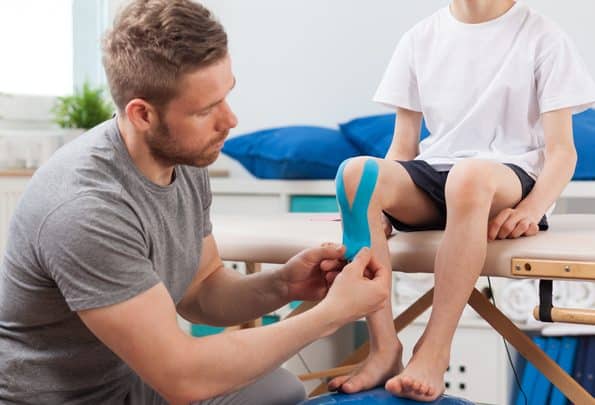
Speech therapists work with children of all ages to evaluate, improve and monitor any speech-related delays or conditions.

During a speech therapy session, your child’s therapist will interact with them through songs, games, and play. They will evaluate your child’s oral muscles, language development skills, and articulation, as well as assess any overlapping swallowing, eating, or breathing issues.

Your child’s therapist will work with you and your child to develop a personalized treatment plan. Treatment plans will vary widely from child to child. Often, parents and children are given “homework” in the form of special assignments to continue working on at home. The more these new skills are reinforced, the better the success of your speech therapy program will be.

How to Obtain Speech Therapy

Speech therapy services can typically be obtained privately or through state-run and district-run programs. Depending on your location, services may be available at home or at your child’s school for no cost. Other parents receive referrals to speech therapy through their child’s dentist or pediatrician. Many insurance companies do cover speech therapy sessions.

Speech therapy is often performed in conjunction with other types of therapy for developmental delays or with myofunctional therapy for disordered tongue and oral function.

Other Tips Related to Speech Therapy

If you are experiencing speech-related issues with your child, there are a few other considerations that may need to be checked or ruled out as well.

For example, a child who appears to have trouble responding to comments may actually have a hearing issue. Children with lisps and other speech impediments may benefit from having a tongue or lip tie removed. Kids with many different developmental delays may be evaluated for other disorders such as autism.

Working in conjunction with your child’s pediatrician can help identify and act on any other factors that need to be dealt with in addressing your child’s speech concerns.

If you think your child could benefit from pediatric speech therapy, please give us a call today to schedule an appointment with one of our friendly board-certified pediatricians and discuss a referral.


Common Skin Infections

Kids can develop all kinds of skin conditions ranging from a mild rash to a serious and painful infection. Some of the most common skin infections may require prescription-strength antibiotics, and it is important to identify just which type of infection you are dealing with in order to determine the best treatment. We’ll cover 5 of the most common below:

littleton pediatricians

Impetigo

Does your child have a yellow crusty rash around the mouth or nose, especially after recovering from a cold? It’s likely impetigo, a little-known but commonly acquired infection that often results from skin irritation like that caused by frequent nose blowing or recent open wounds. Impetigo presents as either a crusted rash, blisters, or ulcers that can occur anywhere on the body, and it spreads quickly — so discourage scratching! The infection is caused by either Streptococcus or Staphylococcus aureus bacteria and usually requires topical or oral antibiotics. Mild cases may be cleared up by an OTC cream such as Neosporin, but a prescription-strength remedy is most often needed.

Eczema

Eczema is a skin condition typically caused by allergies and other skin irritants, but you may not have realized it can also easily get infected. Severe eczema rashes can “weep” and crust over, leaving them vulnerable to infection. Eczema is often treated with topical corticosteroids (such as Hydrocortisone) and oral or topical antibiotics if it gets infected. Call a doctor if an infection or eczema flare-up persists and is causing your child discomfort and pain.

Ringworm

Despite its name, ringworm is a fungal infection — it is not caused by a worm at all. Ringworm is characterized by a red scaly or bumpy patch that often appears in a ring pattern. These sores can become very painful and require OTC antifungal topical treatments or a prescription treatment in more serious cases. Ringworm is contagious and can spread fairly easily from person to person (especially in damp, warm environments) or even from animals to people.

Athlete’s Foot

As a type of fungal infection in the same family as ringworm, athlete’s foot also thrives in warm and moist environments, and is more common in older children who spend time playing sports. Athlete’s foot can be highly contagious and spreads fairly quickly through a locker room, public shower, pool, or gym. Walking barefoot in these settings puts you at risk, so encourage your kids to always wear sandals when they are in these environments. Symptoms of athlete’s foot include bumps and blisters, cracked skin between the toes, a rash or scaling, redness, and even a foul odor. Treatment is usually simple, and the condition can be managed through OTC remedies such as foot powder. If athlete’s foot persists or is causing extreme pain and itching, a doctor can prescribe a stronger treatment to help.

Cellulitis

Just like impetigo, cellulitis is most often caused by Streptococcus or Staphylococcus aureus. Cellulitis usually begins on existing skin wounds and causes the surrounding skin to become tender, warm, swollen, and red. Cellulitis can cause a fever and swollen lymph nodes if the infection begins to spread, and it must be monitored closely to prevent serious infection. A course of oral antibiotics is usually sufficient for treating mild to moderate cases of cellulitis. In severe cases, sepsis can occur, and IV antibiotics may be required. Call a doctor right away if you suspect your child may have cellulitis.

If you suspect that your child may need topical or oral antibiotics for a skin infection, give us a call today and come in for an appointment with one of our friendly board-certified pediatricians.

Basic Hygiene Tips for Kids

At what age can your child brush their teeth unassisted? Or take a bath alone? When should mom and dad be ready for a conversation about shaving — or the dreaded issue of body odor? Read on for these answers and more basic hygiene tips for kids.

littleton pediatricians

Ages 0–3 

Building healthy habits starts early. As parents, you will be largely in charge of every part of your child’s personal hygiene until they are school-age. Older toddlers can begin to learn the actions they will eventually need to take, such as brushing their teeth and washing their hands, but will still require parent assistance.

  • Bathing: While it goes without saying that infants need to be given a bath, children should remain supervised in the tub until at least the age of 3, and the American Academy of Pediatrics specifies age 5. You can, however, begin laying the foundation for when your child will be old enough to bathe alone and have them learn the different steps of the bathing process with you.
  • Brushing Teeth: Once your child has begun to cut their first teeth, oral hygiene will be one of the most important parts of their personal care. Brush your toddler’s teeth at least 2 times a day for 2 minutes each time. Taking turns (first they brush, then you follow up) can be a great way for your child to learn how to brush their own teeth.
  • Potty Training: As soon as your child begins showing an interest, you can have them observe and mimic all the stages of the toileting process, from sitting on their own toilet to flushing and washing their hands like mom and dad.
  • Hand-Washing: Kids at this age will need help applying soap and scrubbing their hands together under the water. But this is a good time to teach basic principles such as when to wash your hands and for how long, while using songs or games will make it fun.

Ages 4–9

At this age, your kids will still need help with most aspects of their personal hygiene. However, your main focus should be on training them to eventually care for themselves.

  • Bathing: Once your child is old enough to take a bath unsupervised, parents get a bit of a break — as long as you are within earshot and check on them often. At this age, bath time is still playtime for many kids, and they could stay in there all night if you let them. They may need prompts and reminders to take the next step (i.e., “Time to add shampoo to your hair!” “Don’t forget to wash behind your ears.”), and they may still need help with some steps, such as rinsing all the suds out of their hair.
  • Toileting: Some kids may still need help with wiping until they reach school-age. It can also be a good idea to continue to have baby wipes accessible for those who need them or just prefer to be extra clean.
  • Hand-Washing: Kids at this age may still need help reaching the sink, working the soap pump, and turning on the faucet, especially in unfamiliar public restrooms. They may also need reminders on when to wash their hands, such as before and after meals.
  • Oral Hygiene: Although your children will be able to brush their own teeth around the age of 4 or 5, most dentists recommend they still be guided or supervised until the age of 9 or 10. At this age, toothbrushes with built-in audio or visual cues are a good way to show kids just how long they need to be brushing for. Parents should do a quick spot-check and consider helping kids learn to floss their teeth after brushing.

Pre-Teen and Teen Years

With the onset of puberty comes new challenges. Mom and dad now function primarily as consultants, available when a child has questions or needs assistance with a new habit such as shaving or dealing with period care.

  • Bathing: Older kids may start to prefer showers over baths and generally express a desire for more privacy in the bathroom. Follow your child’s lead, and don’t be surprised when this transition occurs.
  • Oral Hygiene: Many children at this age are now dealing with dental appliances such as braces or retainers that require specialized care and cleaning. Dental care extras like dental floss, electric toothbrushes, and mouthwash can now begin to be a part of your tween or teen’s daily routine and will give them a real sense of ownership over their oral health.
  • Shaving: Although the age at which shaving can begin is largely a personal family choice, most teens will begin expressing an interest in shaving sometime during middle school or high school. Your child should be taught proper razor technique and should be supervised the first few times, if possible. Alternatives such as safety razors, waxing, and other hair removal products can be an option as well.
  • Body Odor: Body odor may begin as early as age 8 or 9 for kids approaching puberty. At this age, you can begin to teach your child how to utilize deodorant as a part of their daily routine. Kids especially love the convenience of spray-on deodorant.
  • Menstruation: A good time to have the conversation about tampons, pads, and other aspects of period care is before the onset of their first period. Make sure your daughter knows she can come to you and not be embarrassed about any questions. Girls should be informed of their choices for period care and taught how to use these products. As the time approaches, be sure to send them to school with extra materials available in case it starts unexpectedly.
  • Skincare: During puberty, acne may begin to rear its ugly head. Kids who have never given a second thought to skincare may suddenly find themselves in a world of facial cleansers and anti-bacterial soap bars. A general rule of thumb is to wash any acne-prone areas 2 times a day (morning and night) and after any heavy sweating or physical activity.

If you have any questions about personal hygiene for kids, please give us a call today to schedule a chat with one of our friendly board-certified pediatricians.

How to Develop Logic and Reasoning Skills in Kids

At Focus on Kids, our holistic picture of health includes mental health, and part of raising emotionally healthy kids is giving attention to critical thinking. The formation of logic and reason is a vital part of childhood development. Critical thinking skills will serve your child well in every area of life — from their education to their future relationships.

pediatrics in Littleton

So how can you help your child build a solid foundation of these important skills in age-appropriate ways? We’ll cover how you can lay the groundwork below.

Birth–Toddler

  • Encourage curiosity
  • Experiment with hands-on games and materials
  • Invest in open-ended and creative toys
  • Foster imagination with pretend play
  • Help kids put language to their feelings and emotions

Preschooler

  • Allow and invite questions
  • Ask open-ended questions
  • Encourage your kids to make predictions
  • Allow for unstructured time and free play
  • Encourage exploration
  • Point out patterns and help kids make connections
  • Help kids learn how to manage their feelings
  • Encourage trial and error

Elementary Age

  • Encourage problem-solving
  • Accept mistakes
  • Allow your kids to fail (within reason)
  • Ask questions that get them thinking
  • Do a post-assessment of their decisions
  • Allow kids to draw their own conclusions — and gently correct when necessary
  • Allow kids to form their own opinions
  • Provide avenues for kids to decompress from intense feelings
  • Encourage/facilitate reading
  • Don’t overschedule — allow for downtime

Preteen and Beyond

  • Encourage independence
  • Limit screen time
  • Don’t be quick to fix your kids’ mistakes
  • Ask for their opinion (and how they formed it)
  • Model critical thinking skills in your own life
  • Provide resources and tools (library card, internet, encyclopedia set, etc.)
  • Help kids create their own schedules and choose their own activities

At any age, it is important to understand that your role is to help your children learn how to think and act for themselves. This means stepping in as little as necessary and allowing kids to make decisions, learn from their mistakes, and form their own conclusions. So much of what we know about the world is learned from trial and error, and you’ll want to make room for your kids to experiment and fail. If you always swoop in to save the day or over-explain, your child will never learn that they need to find a better way to, for example, remember to do their homework or do a bit of research to learn about something they are curious about. Encouraging curiosity, creativity, questions, and problem-solving helps as well.

Building a solid foundation of logic and reasoning skills in your child’s early years will go a long way toward cultivating their emotional and behavioral health throughout their entire lives. The earlier you can get started, the better!

Got questions? Our staff of board-certified pediatricians is here to help you with social and behavioral issues as well. Contact us today to schedule a consultation.

Common Orthopedic Injuries in Kids

As any parent of an active child likely knows, childhood injuries are common. Sports and other activities often lead to sprains, breaks, and other types of afflictions.

What are some of the most common orthopedic injuries in kids, and what can parents expect?

orthopedic doctor in littleton

Sprains

Sprains are classified as any injury to the soft tissue around the bone, such as a torn ligament or a stretched tendon. They can be just as painful as broken bones but require less medical intervention than fractures. In fact, sprains can sometimes be even more painful than fractures. In a mild sprain, the nearby joint remains stable. Whereas, in the case of a moderate or severe sprain, the joint is affected.

Sprained ankles account for a large percentage of childhood orthopedic injuries, and hand sprains are also especially common in kids, usually due to sports (i.e., a wayward basketball bending the finger backward). Torn ACLs and MCLs are another frequently seen form of sprains that affect the knees.

Key signs that your child is experiencing a sprain include swelling, redness, pain, and bruising. With some sprains, you may also hear a pop similar to that of a broken bone. Mild sprains can often be treated at home with the RICE method (rest, ice, compression, elevation), but it is always a good idea to make an appointment with a doctor for an examination or an X-ray.

Bone Breaks

Childhood fractures are another common pediatric injury. While most sprains usually occur silently, with a fracture, you might hear a crack, a pop, or another sound associated with the injury. In place of or in addition to pain, some fractures will cause numbness and tingling. And while this is not always the cause, many breaks cause a visible deformity to the area of the body that has been affected.

Fractures require immediate medical attention to immobilize the affected joint, stabilize the fracture, and facilitate healing. In some cases, surgery may be necessary to help “set” or align the broken bones. Other measures such as crutches or a cast may be needed. In the case of a fracture, complete healing can take weeks or even months.

Dislocations

Dislocations are joint injuries that occur when connected bones come apart. More common in teens than in younger children, these injuries often happen during sports, extracurricular activities, and other situations where extreme force is put on a joint. Ligaments can also be torn in the process.

Just as with a sprain or a break, signs of dislocation can include pain, swelling, bruising, redness, numbness, weakness, loss of joint functionality, and a visible deformity in the affected area. Due to this similarity to other types of injuries, if a dislocation is suspected, a medical exam is often necessary to identify the exact problem. Depending on the severity of the injury, treatment could include the RICE method, repositioning, traction, a splint or a cast, or surgery.

Overuse Injuries

Other commonly seen injuries in a pediatric orthopedic setting include muscle strains, tennis elbow, and shin splints. All of these are caused by overexertion, leading to stress on the body and inflammation. Most overuse injuries can be treated with rest, pain medicine, and heat or ice. In some cases, physical therapy may also be required. Encouraging safe athletic habits such as proper warm-ups and stretching can help prevent these types of injuries.

Concussions

Concussions are a type of traumatic brain injury (TBI) that most often occur during contact sports such as boxing, football, or wrestling. Prompt diagnosis and treatment are critical to prevent brain damage and lasting mental effects. Contrary to popular belief, a loss of consciousness does not always occur. In addition to orthopedic care, children and teens suffering from a concussion will most likely require the care of a neurologist. In some cases (such as in the event of a severe injury), surgery may be necessary.

Is your child experiencing signs and symptoms of an orthopedic injury such as a strain, sprain, or break? Give us a call today to consult with one of our board-certified pediatricians.

Heart Disease in Children

Cardiovascular health is something you may not think about in regard to your young children. But did you know that heart disease is possible and even common in children?

Types of Heart Disease in Children

  • Congenital – Each year, thousands of children are born with congenital heart conditions and defects, including patent ductus arteriosus and atrial septal defects. While many of these are diagnosed at birth, some are not discovered until much later in life.
  • Acquired – While cardiovascular disease is typically something that affects adults, there are some conditions that children can acquire as well. The most common acquired heart diseases in children are rheumatic heart disease and Kawasaki disease.

littleton pediatricians

Signs of Heart Disease in Children

Some of the most common indicators that your child could be experiencing a heart issue include:

  • Trouble with weight gain (especially in babies)
  • Shortness of breath, even at rest
  • Persistent respiratory issues
  • Tiring easily during physical activity
  • Passing out during physical activity
  • Heart palpitations
  • Chest pain

Signs of heart disease can mimic other conditions, so it is always important to consult with your child’s pediatrician or a specialist for a thorough diagnosis.

Diagnosis of Heart Disease in Children

Your child’s doctor may run a series of tests to identify and diagnose any potential heart problems. These tests include:

  • Electrocardiogram (ECG/EKG) – This non-invasive test works by recording the heart’s electrical activity through painless patches on the skin. This test can be done quickly in a doctor’s office and allows for heartbeat and rhythm to be monitored and captured.
  • Echocardiogram – This test is also non-invasive but usually requires the assistance of a technician or specialist in a lab. Just like the ultrasound images you may have received before your child’s birth, an echo of the heart uses sound waves to create an image of the heart and diagnose potential heart problems.
  • Cardiac catheterization- Some suspected heart issues require cardiac catheterization, in which a thin tube is inserted through the groin to the heart via a blood vessel. This allows doctors to get a much more detailed view of the heart, and even allows for some minor surgical procedures to be completed at the same time, such as closing a heart defect. This test is typically done in a hospital or catheterization lab.
  • Chest X-ray – Chest X-rays help doctors detect things like the presence of excess fluid or an enlarged heart. An X-ray is sometimes the first step before more invasive procedures.
  • Chest MRI -Your child’s doctor may even order an MRI to evaluate the structure of your child’s heart. This is because an MRI can provide better imaging than other methods.

Treatment of Heart Disease in Children

Some heart conditions will resolve on their own with time, while others may require medication or surgery. With technological advances, many heart procedures are minimally invasive and can be done via catheterization in an out-patient cardiology lab. Other conditions simply call for long-term monitoring and lifestyle adjustments to ensure good cardiovascular health. In rare cases, open-heart surgery or even a heart transplant may be needed to stabilize your child’s heart.

If you suspect a heart condition, please give us a call today to schedule a consultation with one of our friendly, board-certified pediatricians.

Signs & Symptoms of Liver Disease in Kids

The liver is a vital organ for detoxification, digestion, cleansing of the blood, and energy. Without proper liver function, many areas of the body can be affected. Knowing the signs and symptoms of liver disease in kids can help prevent any long-term issues from acute or chronic liver disease.

littleton pediatricians

Types of Liver Disease in Children

Liver problems can develop rather quickly as a result of poisoning or a side effect of a medication, or they can develop slowly over time.

  • Acute – Symptoms develop quickly over a short period of time and typically require immediate care. This could include acute liver failure, an enlarged liver, or sudden drug toxicity.
  • Chronic – Chronic liver conditions can be inherited and present at birth or develop slowly over time. Common pediatric liver conditions that are chronic include cirrhosis, cholestasis, autoimmune hepatitis, biliary atresia, and fatty liver disease.

Signs of Liver Disease in Children

Some of the most common signs of liver disease in children include:

  • Abdominal pain and swelling
  • Vomiting
  • Fatigue
  • Gray or pale stools
  • Loss of appetite
  • Nausea
  • Change in sleep patterns
  • Poor weight gain

Advanced stages of liver failure may include the following symptoms:

  • Jaundice
  • Vomiting of blood
  • Bloody stools or urine
  • Confusion or delirium
  • Trouble staying awake

If your child has any of these advanced symptoms, seek emergency medical care immediately.

Diagnosis of Liver Disease in Children

Your child’s doctor may order a variety of tests in order to identify and diagnose suspected liver disease. This process may include a urine analysis or blood test to check for proper liver function.

In addition, the following tests may be performed:

  • Liver biopsy -In a biopsy, a small needle will be inserted into your child’s liver to collect a tissue sample for testing. This procedure is usually quick and relatively painless.
  • Liver ultrasound – This non-invasive test uses sound waves to create an image of your child’s liver. Ultrasounds can usually be done rather quickly in a doctor’s office.
  • CT scan or MRI – These advanced imaging techniques allow doctors to see a more detailed picture of the body. They are typically done in a hospital or lab setting.
  • Upper endoscopy – In some cases, this procedure may be required to get a closer look at your child’s upper digestive system and liver. During an endoscopy, a small camera is guided into your child’s mouth while they are under general anesthesia.

Treatment of Liver Disease in Children

Treatment of liver disease will vary depending on the diagnosis made. Typically, a combination of lifestyle changes, medications, and surgery is undertaken. In serious cases, a liver transplant may be needed. Your child’s doctor will discuss a specific treatment plan with you once an exact diagnosis has been reached.

If you suspect your child may be exhibiting signs and symptoms of liver disease, please contact us to schedule an appointment with one of our board-certified pediatricians.

A Quick Guide to Your Kids & Bullying

How to Talk Your Kids About Bullying

Although older kids and teens may roll their eyes — and even if you may think your sweet, innocent five-year-old already knows to be kind — it’s still important to have the conversation.

Together, you’ll want to discuss different types of bullying, what to do if they encounter a bully, and why they should always treat others with kindness and respect. Instill good communication early on and get to know the names of all of your child’s schoolyard friends. That way, you can easily spot if something begins to go amiss (i.e., “Suzy doesn’t want to play with me at recess anymore because Ana told everyone I smell”).

littleton pediatric clinic

Preventing Bullying

It sounds like a no-brainer, but in addition to talking to your children about bullying, it’s important to model good behavior. If you lecture them about being nice to classmates on the way to school but then find yourself cursing out others in the carpool line, it’s doubtful that your lesson is going to sink in.

One of the most important things children need to be taught about bullying is to tell an adult about it. Whether it’s a trusted teacher, a counselor, a parent, or even the school security officer, grown-ups often need to get involved to sort the situation out.

In the meantime, be sure your child knows how to stand their ground and find their voice if they are being teased or harassed. Shy children can become easy targets for bullying, but it’s vital they are able to politely yet firmly ask the culprit to stop. Many families choose to role-play social situations at home to help their children get a better idea of what to do.

Encourage them to stand up for others and to report anything they see, even if they aren’t the ones personally being harassed.

But what about preventing your child from being the bully? It’s crucial to teach habits of kindness and respect even from a young age. Children should know and understand that not everyone they meet is going to look or act just like them. Differences are never an excuse to cast off kindness. Take any school reports of bullying seriously, and don’t be afraid to dole out the consequences.

Recognizing the Signs of Bullying

If you have an older teen or a more reserved child, they may not come right out and tell you that they are being bullied. This is one of the reasons why many experts recommend monitoring your child’s social media and phone use. But there are some key signs to look for in order to spot a child who is the victim of bullying:

  • Avoidance of certain places or people
  • Sudden change in attitude
  • Unexplainable injuries
  • Broken or missing personal items
  • Loss of interest in school or extracurricular activities
  • Anxiety or depression
  • Outbursts of anger
  • Nightmares

What to Do if Your Child Is a Victim of Bullying

If your child reports that they have been bullied, it’s crucial that your reaction leaves them feeling respected, heard, and understood.

When bullying is pervasive, severe, or otherwise harmful, it may be time for you to step in. If possible, address the situation with other adults who are involved (like the other child’s parents and a school counselor or principal) or remove your child from the situation (i.e., switching schools).

After the fact, watch for signs of depression and anxiety that may crop up. Your child’s pediatrician can also help evaluate if any counselling or other mental health services are needed.

Cyberbullying

In today’s digital age, the schoolyard bullying of years past has taken on a whole other dimension. With kids as young as kindergarten-age being given unprecedented access to technology in the form of texting, video chatting, and even social media, it can be harder than ever to identify and prevent cyberbullying.

Teaching your child to be a responsible online citizen is just as important, if not even more so, than learning how to treat others with kindness and respect in person. Even adults are prone to misbehaving online when the person on the other end of the keyboard is an anonymous figure.

Discuss safe internet use and how to block inappropriate content from anyone who is harassing them. And reiterate that you are there to help your child every step of the way.

High & Low Blood Pressure in Kids

Blood pressure is the measurement of the force produced as the heart pumps blood. While blood pressure varies throughout the day depending on activity levels, posture, diet, body temperature, and other factors, sustained high or low blood pressure is a cause for medical concern. Problems with high or low blood pressure can often be genetic, especially when identified in teens or young children.

childrens hospital in littleton

Causes of High Blood Pressure

Hypertension (high blood pressure) in kids and teens typically occurs without an underlying medical condition. Lifestyle factors such as obesity, stress, diet, and certain medications are the main cause of high blood pressure, especially in older children and teens. However, in some cases, it can be due to a variety of medical issues including kidney disease, hormonal disorders, lung problems, or heart problems. Hypertension in children under the age of 7 is usually caused by one of these concerns.

Symptoms of High Blood Pressure

In the majority of cases, children and teens with high blood pressure are asymptomatic. However, if high blood pressure is severe enough, symptoms could include headaches, dizziness, blurry vision, tachycardia, and nausea.

Other symptoms such as seizures, vomiting, chest pain, and shortness of breath could be indicative of a hypertensive crisis. It is important to seek immediate medical attention in the presence of these symptoms.

Treatment of High Blood Pressure

It is ideal for high blood pressure to be identified and treated as early as possible in order to prevent organ damage and changes to eyesight. If high blood pressure is due to an underlying medical condition such as kidney disease, treatment of the primary medical issue is key to getting blood pressure under control.

In most cases, lifestyle changes may be enough to treat hypertension. Your pediatrician may recommend a variety of lifestyle modifications such as limiting salt, avoiding caffeine and alcohol, consuming a healthier diet, and getting regular exercise. If no changes occur under these circumstances, medication may be necessary.

Causes of Low Blood Pressure

Causes of hypotension (low blood pressure) can be temporary and situational, such as dehydration or overheating (such as in a hot tub). One common form of low blood pressure is orthostatic or postural hypotension — a sudden drop in blood pressure upon standing up. Another common form of low blood pressure disorder is known as neurally mediated hypotension and occurs after standing for long periods of time. This type of low blood pressure is most common in children and is typically outgrown by adulthood.

Chronic low blood pressure can be caused by other underlying health conditions such as heart conditions, endocrine disorders, or anemia. Some medications have also been known to lead to hypotension.

In some cases, low blood pressure is a life-threatening emergency. Severe infection can lead to a sudden drop in pressure known as septic shock. Severe allergic reactions (anaphylaxis) or severe blood loss can also cause a sudden and dangerous drop in blood pressure. If any of these conditions are suspected, seek medical care right away.

Symptoms of Low Blood Pressure

As with hypertension, in most cases, hypotension does not cause symptoms. However, very low blood pressure can also cause fatigue, nausea, blurred vision, dizziness, and fainting.

In the case of extreme hypotension, symptoms of shock may set in. These include confusion, cold and pale skin, rapid and shallow breathing, and a weak and rapid pulse. In the presence of these symptoms, seek immediate medical attention.

Treatment of Low Blood Pressure

Pediatric hypotension is typically treated by treating the underlying condition or with lifestyle changes. Adaptations may include drinking more water, changing medications, wearing compression socks, or eating more salt. As with hypertension, medication may be required in some cases.

Cases of acute low blood pressure may be treated in a hospital with IV fluids or blood transfusions.

Healthy Snack Ideas for Kids

One of the best ways to get your kids to eat healthy snacks is to stock a special area for them in the fridge and in the kitchen pantry where they can quickly grab and enjoy their own snacks. And, as the old adage goes: If you don’t buy it – they can’t eat it. When you want to commit to a healthier lifestyle for your family, the best thing you can do is not to allow junk food in your home in the first place. So what should you stock your home with instead? Read below for some healthy, kid-approved snack ideas.

healthy snack ideas for kids by pediatrician in littleton

Fruit

You can’t go wrong with a delicious serving of fruit! Most kids enjoy fruits that are easy to munch on, like bananas, grapes, apples, oranges, and berries. To create an even more special snack, pair a banana with peanut butter or strawberries with Nutella for a sweet treat.

Nuts

A handful of nuts or trail mix packs a powerful punch of nutrients and healthy fats necessary for growing bodies! Ensure that your kids get plenty of vitamins and minerals like Vitamin B6, Vitamin E, and magnesium by providing their favorite varieties of nuts for snack time. Some brands can add loads of extra sugar and flavorings, however, so be careful to check the labels when purchasing.

Cheese Sticks

String cheese is a great and filling way to satisfy your kids at snack time, especially if you shop organic. Cheese is an excellent source of calcium and protein, as well as other essential nutrients for growth and development. Best of all? You don’t have to beg your kids to eat it!

Yogurt

Most kids love yogurt, and whether you buy a dairy, coconut, almond milk, or soy variety, the live cultures are great for developing tummies. For a healthier treat, look for options with less sugar added or with fresh fruit mixed in. Yogurts marketed specifically for kids typically have additional sugar, food dyes, and other unhealthy additives, so check labels carefully before you purchase.

Smoothies

The great thing about smoothies is that you can easily sneak in any nutritious veggie you’d like, including ones your kids wouldn’t normally eat! For example, a delicious berry smoothie can easily mask the flavor of a handful of spinach or kale. Blend your own or purchase pre-bottled smoothies like the kid-friendly flavors from Naked Juice.

Applesauce

Although mainly popular with toddlers, many older kids still enjoy a cool, refreshing treat of applesauce. Today, many flavor options exist beyond the classic variety, including strawberry applesauce and cinnamon applesauce. Options that are organic and have no sugar added are available on the market, or you can quickly make your own at home.

Freeze-Dried Fruit

For a more convenient fruit snack on the go, look for prepackaged freeze-dried fruit that provides all of the nutrients with none of the mess. These healthy, crunchy snacks are also great for kids with texture aversions.

Carrots with Dip

The best way to get kids to eat their veggies is with a corresponding dip, and carrots are no exception. A typical kid favorite is ranch dressing, although less picky eaters may enjoy more exotic flavors like hummus or spinach and artichoke dip. Carrots are high in Vitamin A and Vitamin K and are also a great source of dietary fiber. For more variety, add other sliced veggies like red peppers and celery.

Crackers

Gone are the days when crackers were thought of as pure junk food. These days, healthier varieties are becoming easier to find. While the typical favorite is still cheese crackers, tasty options can be found in many different flavor varieties. Best of all, today’s cracker aisle is stocked full of healthy brands that can meet any dietary need, such as dairy-free or gluten-free.

Plantain Chips

For kids who love potato chips, a better alternative — with the same delicious, salty crunch — is plantain chips. Plantains are a great source of many essential nutrients including Vitamin A, Vitamin C, iron, potassium, and magnesium. Plantain chips generally have far less sodium than potato chips, and baking your own at home can result in an even healthier snack.

Hereditary Diseases in Kids

Hereditary diseases in kids are becoming increasingly common. These can be mild or severe. Sometimes they are caught before birth due to genetic screenings or ultrasounds, but in other cases, a disorder is identified at birth or during childhood. You may work with a genetic counselor throughout your pregnancy if you have a prevalence of certain disorders in your family history.

There are many genetic disorders and defects that can be inherited. Here are some of the most common genetic disorders to look out for.

hereditary disease treatment littleton, co

Down Syndrome

Down syndrome occurs when babies receive an extra copy of chromosome 21. Down syndrome is fairly common, affecting approximately 1 in every 1,000 births, increasing in prevalence with maternal age. It is usually detected early during prenatal screening, and certain physical features will also present at birth. The telltale signs include a flat face, a protruding tongue, small ears, an upward slant in the eyes, and smaller stature.

Affected children will also experience developmental delays due to low muscle tone and will typically have digestive issues and heart defects. Emotional and mental development is also mildly to moderately affected; however, many individuals with Down syndrome go on to attend college, live independently, and hold jobs.

Every child with Down Syndrome is different, with some children not experiencing any major health problems and others requiring complex medical care. Babies with Down syndrome should be closely monitored for pulmonary hypertension, heart problems, vision issues, and hearing loss. Other potential issues include thyroid problems, seizures, sleep apnea, asthma, and spinal conditions.

Trisomy 18

Trisomy 18 (also called Edwards syndrome) is a serious and often fatal birth defect and the second most common form of trisomy behind Down syndrome, affecting approximately 1 in every 5,000 births. Just as with Down syndrome, the occurrence increases with maternal age, and there is a higher prevalence among females than males.

Unfortunately, many children with trisomy 18 do not live to full term, resulting in miscarriage or stillbirth. Those who do survive often do not make it to their first birthday. When born, infants with trisomy 18 are usually fragile and unusually small. Health complications can include cleft palate, lung defects, kidney defects, stomach defects, foot defects, heart defects, and developmental delays. Although rare, some individuals live into their twenties or thirties.

Fragile X Syndrome

Fragile X syndrome (also called Martin-Bell syndrome) affects about 1 in 4,000 male births and 1 in 8,000 female births and is the most common genetic intellectual disability. This occurs when a change on the X chromosome hinders the production of the essential FMRP protein needed for normal brain development. FXS can be mild or severe, and while there is no known cure, medication and therapy can help ease symptoms and promote growth.

Fragile X results in developmental delays, learning disabilities, social and behavioral issues, and other conditions like autism or ADHD. Other symptoms and complications can include anxiety, depression, seizures, or speech delays. Diagnosis usually occurs around the age of three, and symptoms tend to become noticeable earlier in boys than in girls.

Sickle Cell Disease

Sickle cell disease (SCD) is the most common inherited blood disorder, affecting around 100,000 Americans today. Sickle cell disease disproportionally affects Black or African-American births, affecting approximately 1 in every 365 African-American babies. It may also affect those of Hispanic, Indian, or Mediterranean descent. Interestingly, SCD occurs more often among groups from areas of the world where malaria is (or was) prevalent.

Sickle cell disease affects red blood cells, causing them to take on a crescent shape that makes them more difficult to be transported through the body. Blood vessels can get clogged, causing painful episodes of sickle cell crisis until the blood can get moving again. Certain lifestyle adaptations can help prevent sickle cell episodes, including managing stress, getting plenty of sleep, and drinking plenty of water.

Children with SCD may get tired more easily than their peers, are prone to infections, and may experience stunted growth. Other complications include jaundice, swelling of the fingers and toes, organ damage, and anemia.

In recent years, the mortality rate has been greatly reduced due to modern medical advancements. Stem cell transplants have shown some success in curing SCD in some patients. Folic acid supplementation, medication, and, in some cases, blood transfusions can also help manage and treat SCD.

Glaucoma

Congenital glaucoma is fairly rare (around 1 in every 10,000 births), but early diagnosis and treatment are critical in order to slow the development of the disease. In some cases, congenital glaucoma is inherited. Glaucoma is essentially the presence of elevated amounts of fluid in the eye pressing on the optic nerve and causing intraocular pressure.

Symptoms may be present at birth or may not occur until later in childhood. Signs of glaucoma in infants include excessive tears, sensitivity to light, and the telltale large, cloudy cornea. Older children may present with blurry vision, headaches, worsening nearsightedness, and problems with peripheral vision.

The most common treatment option is surgery to open drainage canals for the excess fluid. Eye drops and other medications may also help. It is important to note that even with early treatment, pediatric glaucoma may still cause permanent vision damage or even blindness. This is why regular eye exams are important for identifying eye disorders such as glaucoma.

Tay-Sachs Disease

Babies born with Tay-Sachs disease are missing a crucial enzyme called hexosaminidase A (HEXA). HEXA controls vital functions such as vision, hearing, movement, and brain development. Tay-Sachs is purely genetic and can be caught during pregnancy pre-screens. Although the overall incidence is very rare (only about 16 cases recorded per year), certain communities are at a higher risk and may benefit from genetic screening. These groups include Ashkenazi Jewish, French-Canadian/Cajun, and Irish populations.

Symptoms of Tay-Sachs disease usually develop slowly over time as the child progressively loses the ability to see, hear, and even move. Late-onset Tay-Sachs occurs in adulthood and may cause only mild muscle weakness and trouble with speech. Unfortunately, most cases of Tay-Sachs prove to be fatal before the age of 5. There is currently no cure, but symptoms can be managed with medications to relieve pain, relax muscles, and control seizures.

Cystic Fibrosis

Another disorder that disproportionately affects Ashkenazi Jews is cystic fibrosis. Unlike Tay-Sachs, cystic fibrosis is fairly common, occurring in about 1 in 3,200 births.

With cystic fibrosis, the CFTR protein is either abnormal or missing, leading to the creation of thick and sticky mucus. This mucus leads to an increased risk of infections and can cause trouble breathing, problems with digestion, and a chronic cough. Male fertility may also be affected.

Symptoms are usually identified shortly after birth and include frequent lung infections or sinus infections, wheezing, coughing up mucus, trouble with weight gain, constipation, and diarrhea. It is usually detected through a screening that measures the amount of chloride in a patient’s sweat. Certain medications, breathing exercises, a healthy diet, and taking measures to prevent infections can help kids manage their cystic fibrosis and lead a normal life.

This list is by no means exhaustive, and there are many genetic disorders (both common and rare) that can be identified through pre-screening measures. If you are pregnant and interested in genetic screening, contact your health professional today.

Congenital Disabilities in Kids

Congenital defects are physical conditions that are present at birth. According to the CDC, congenital disabilities affect 1 in 33 babies born in the United States each year. Common congenital disabilities include limb defects, heart defects, and spinal defects. They may be diagnosed in the womb via ultrasound or identified shortly after birth. They can be caused by genetic defects or environmental factors such as infections and chronic health conditions during pregnancy (for example, diabetes or high blood pressure).

Many congenital disabilities can be corrected with surgery or managed with physical support systems such as braces and casts. Most children can live long, happy lives, and their quality of life can be further improved with physical therapy and other rehabilitation services.

pediatric clinic littleton

Congenital Heart Defects

Congenital heart defects (CHDs) are structural heart defects that are present at birth. They are the most common type of birth defect and may be mild or severe. About 25 percent of babies born with heart defects will need surgery or other corrective procedures during their first year of life. Specific forms of CHDs include (among others) atrial septal defects, ventricular septal defects, patent foramen ovale, and aortic stenosis.

Children with CHD are prone to developing other issues as they age and may require treatment and monitoring for the rest of their lives. They may need to take antibiotics before certain procedures and pay special attention to oral care to prevent endocarditis (infection). However, they should be able to lead long and healthy lives.

Cleft Lip/Cleft Palate

Children may be born with a cleft lip alone, a cleft palate alone, or both. The incidence of orofacial clefts is about 1 in every 2,000 births in the United States. The cause is unknown; however, it does appear to have a genetic component that could be influenced by fetal environment. Studies have found that maternal diabetes, smoking during pregnancy, and the use of certain medications during pregnancy result in a higher risk of orofacial defects.

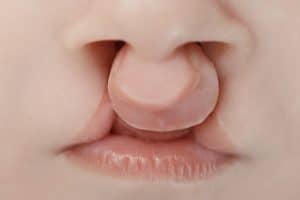
A cleft lip occurs when the lip tissue of the fetus doesn’t properly join before birth, leaving a gap in the upper lip. A cleft palate, on the other hand, occurs when the tissue forming the roof of the mouth doesn’t join properly prior to birth, leaving a gap in the palate. Cleft lips and cleft palates can affect a child’s hearing, cause more frequent ear infections, lead to increased dental concerns, and cause difficulty with feeding.

Treatment varies depending on the severity of the defects, and if surgery is needed, it is typically done within the first few months after birth. Additional surgeries may also be needed later in life, as well as speech therapy and specialized dental care.

Clubfoot

About 1 in 1,000 babies in the United States are born with clubfoot, making it a very common birth defect. In about half of these cases, the child will have clubfoot in both feet. With this condition, the affected foot is usually smaller than normal, with a heel that points down while the foot is turned inwards. It is slightly more common in boys and appears to have a genetic component, since it can run in the family. Diagnosis usually occurs around the midpoint of pregnancy or, in some cases, after birth.

Despite appearances, clubfoot is usually not painful and doesn’t cause any major health problems unless it goes untreated. Children with clubfoot can usually be aided with a casting and bracing method called the Ponseti method. Surgery may also be an option. With proper treatment, children with clubfoot should be able to walk, run, and play like any other child once their treatment plan is complete.

Scoliosis/Kyphosis

Scoliosis is an inappropriate curvature of the spine, while kyphosis is the inappropriate forward curvature of the spine.

Congenital kyphosis is rare and is sometimes not observed until adolescence and usually presents as a rounded back with back pain. Most cases are mild and can be simply monitored until the child is done growing. In some cases, back braces and physical therapy can help support the spine and relieve symptoms. Due to effects to the spinal cord, kyphosis can sometimes cause neurological issues such as trouble walking, leg pain, and difficulty with bladder control. If surgery is needed, the most common treatment is spinal fusion surgery.

Congenital scoliosis is less common than other forms of scoliosis and occurs in just 1 in 10,000 U.S. births. While it is sometimes identified at birth, some instances of congenital scoliosis may not be discovered until the child goes through a growth spurt. Scoliosis is most often treated with a simple back brace, but severe cases may also require surgery. Moderate and severe cases of scoliosis can be painful, can damage the joints, and may even cause arthritis of the spine. Severe curves (more than 50 degrees) can even cause lung issues. Mild curves can simply be monitored throughout adolescence and adulthood to ensure that the condition doesn’t get worse or cause any other issues. Most children will go on to lead active and healthy lives with negligible effects.

Spina Bifida

Spina bifida is part of a category of neural tube defects that affects the spine. During fetal development, the spinal cord and its nerves do not develop properly. According to the CDC, it occurs in about 1 in every 2,758 births and is linked to low maternal levels of folic acid during pregnancy. Hispanic individuals are more likely to be affected by spina bifida.

Children born with spina bifida may have mild effects or more serious life-altering symptoms including weakness and paralysis. They may also deal with bowel and bladder issues or hydrocephalus. Diagnosis in some cases occurs before birth, but often, it is not found until after a baby is born.

Some children may need surgery to correct side effects like hydrocephalus, and others may need assistance walking with leg braces or using a wheelchair. Overall, most children with spina bifida are able to live active and happy lives.

5 Common Spreadable Diseases in Kids

As your little one grows up, they will have their fair share of ear infections, colds, and tummy bugs. Kids love to share, which is why kindergartens and schools are favorite breeding grounds for various bacteria and viruses. Things like the common cold and pink eye are very contagious, so you should keep your child at home if they are showing symptoms.

There are many other bacteria, viruses, and bugs that can lead to other contagious diseases. In this post, we will introduce some of the most common spreadable diseases that can affect kids.

littleton pediatrics

Respiratory Syncytial Virus (RSV)

RSV is one of the leading respiratory illnesses in young children. It isn’t usually serious in healthy kids, but it can cause complications for premature babies and kids with lung, heart, or immune system problems.

The virus usually causes cold-like symptoms such as a stuffy nose, sore throat, cough, headache, and fever. It is a highly contagious disease and can quickly spread when someone sneezes, coughs, or touches surfaces without cleaning their hands. It would be best if you keep your child at home until the fever has cleared.

Most kids can be treated at home, but if your baby shows any RSV symptoms, you should contact your doctor for advice.

Fifth Disease

This viral disease is common in children aged between 5 and 15. It starts with a low fever, runny nose, and swollen joints. At this stage, your child can quickly spread the disease by sneezing, touching their eyes, nose, and then touching other surfaces.
A bright red rash will appear on the face after a few days and then spread down the body. Once the rash appears, then the child is no longer infectious.

Croup

Croup is another viral infection that affects babies and young kid’s airways. The disease is spread through contact with infected droplets from the nose, eyes, or mouth. Symptoms include a barky cough, which gets worse at night, runny nose, fever, usually lasts for around a week. Your child will usually start to feel better after about 48 hours, and the condition can be easily treated at home.

Cough or cold medicines won’t help, so make sure they remain hydrated and comfort them if they are distressed, as crying can make the symptoms worse.

Impetigo

This skin infection is caused by a staph or strep bacteria that gets into a cut, scratch, or bite. After a child is infected, fluid-filled red sores will appear on their face, hands, or feet. After they burst, they will develop a honey-colored crust. It is quite common in infants and younger children and can be easily spread between kids that share things like towels, toys, bedding, and clothing.

Your doctor will usually recommend a course of antibiotics to stop the spread of the disease, and you will need to keep your kid at home for at least the first 24 hours of treatment.

Chickenpox

This common condition can affect kids of any age and is highly contagious. It is caused by the Varicella zoster virus and leads to an itchy rash that can spread all over the body. The spots will usually scab over and drop off after a few days. Your child mustn’t scratch them to avoid scarring and possibly spreading the disease to other family members.

Other symptoms include a mild fever, coughing, tiredness, and a loss of appetite. The good news is that there is an effective vaccine that the CDC highly recommends all kids over 12 have.

Cat Scratch Disease In Kids

Many families in the United States have cute cats at home, and they provide hours of fun, especially when they interact with the kids. However, sometimes, a cat or kitten might scratch or bite a child when they are playing. If the cat is infected with a bacteria called Bartonella henselae, then your child is at risk of developing cat scratch disease (CSD).

This bacterial infection can make children sick for weeks and, in more severe cases, months! In today’s post, we will look at the common signs and symptoms of cat-scratch disease.

pediatrics in littleton

What Is CSD?

As mentioned above, CSD occurs when your child is bitten or scratched by a cat infected with Bartonella henselae. An infected cat or kitten will carry the bacteria in their saliva but will rarely show any symptoms. The bacteria can live in the cat’s mouth for months and can be spread from cat to cat by fleas.

The vast majority of cases are reported during fall and winter. But if you have cats in the house, it is always worth being mindful of the risks by keeping them away from infants and taking precautions against fleas.

Signs and Symptoms

The first sign of cat-scratch disease is a bump or blister at the bite’s site. These bumps or blisters will usually show up a couple of days after the scratch and are generally painless. After a couple of weeks, the lymph nodes near the location of the scratch or bite may start to swell. Typically, the lymph nodes in the child’s elbow, armpit, groin, or neck area will be affected, and they may stay swollen for up to four months.

Other symptoms include:

  • Fatigue
  • Fever
  • Headaches
  • General discomfort
  • Loss of appetite
  • Sore throat
  • Weight loss

In most cases, the symptoms are mild, and your child will still be able to carry out their regular activities. However, in some rare cases, CSD can cause more severe symptoms such as high fever and infections of the liver, spleen, bones, or lungs.

What Should I Do if I Notice the Symptoms?

If you know that your child has been scratched or bitten by a cat, wash the area with warm soapy water immediately. In the case of bites, you should contact your pediatrician for advice, as bites may lead to other types of infections.

It’s always wise to contact your pediatrician if your child has swollen lymph nodes, as this could be a symptom of many different conditions. Your pediatrician will ask you if your child has had close contact with a cat and will carry out a physical exam. If they suspect cat scratch disease, they will order blood tests to confirm the diagnosis and rule out anything else.

In many cases, your child’s immune system will fight off the infection by itself, but in severe cases, your child may have to take a course of antibiotics, pus-filled lymph nodes could need to be drained.

Over-the-counter medicines such as acetaminophen or ibuprofen can help reduce the pain of swollen lymph nodes, as can heat compresses.